Miners are back on strike: ‘I lost everything last time. I won’t go back this time until it’s sorted’
Veterans of the 1984 miners’ strike find themselves back on the picket line. Big Issue Changemaker Marc Davenant visited them for his new exhibition on protest, ‘Rebellion!’
by: Marc Davenant
21 Apr 2026
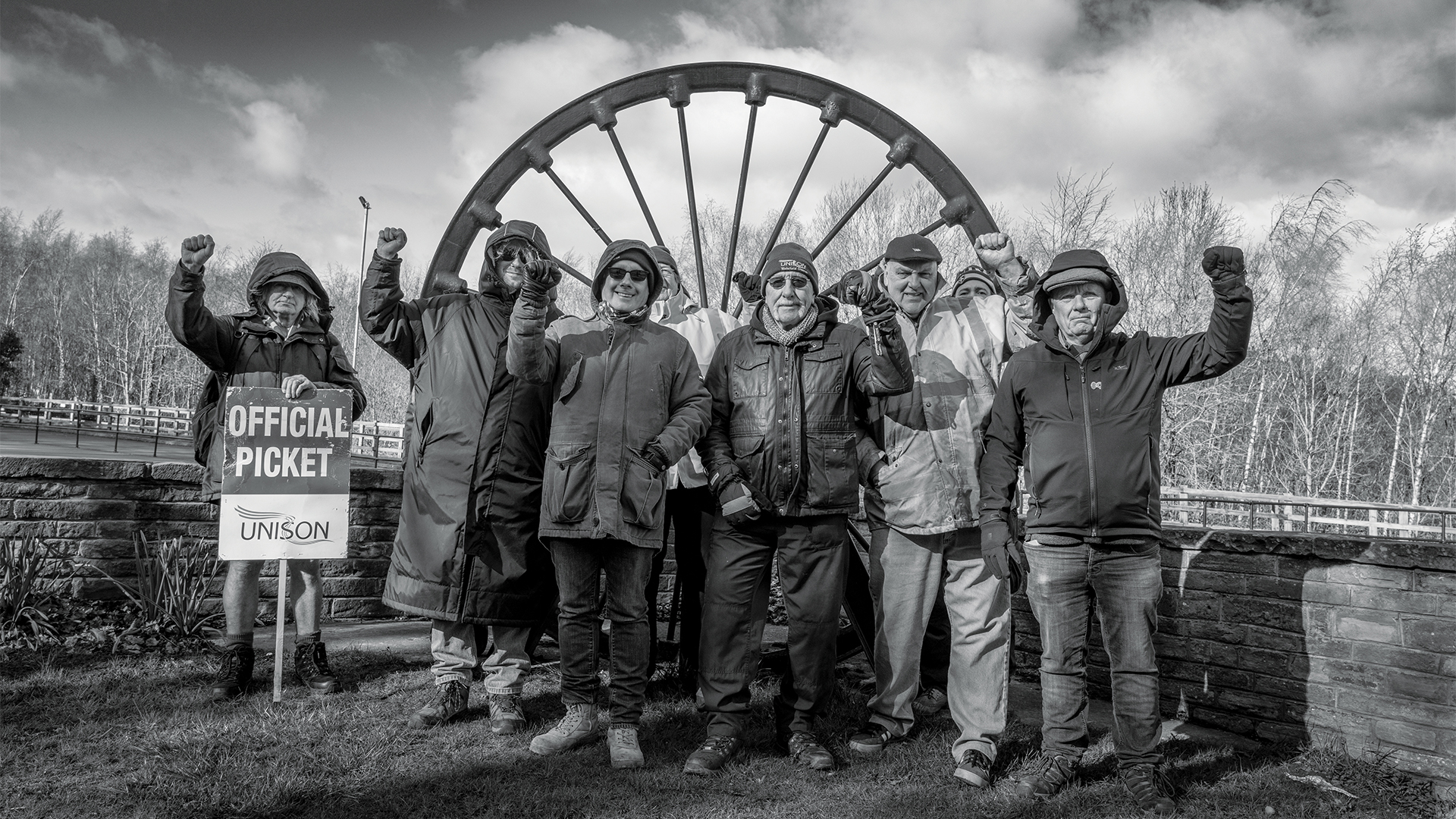
Striking workers on the picket line outside the National Coal Mining Museum in Wakefield. Image: Marc Davenant
Share
I had a strong sense of déjà vu when I drove up to the National Coal Mining Museum to meet and photograph striking workers.
Two huge statues of miners framed the entrance, and to the side a large sign proclaimed, “CROSSING A PICKET LINE MEANS YOU ARE EXTENDING THE STRIKE”. A group of pickets greeted me with a smile and a wave as I hooted the horn and drove past to the car park. It felt like a time capsule of an industrial dispute from the 1980s and is probably the last coal miners’ strike that will ever take place in England.
The museum, which celebrates the history of coal mining and has a large display about the Miners’ Strike of 1984, has been in dispute since August with around 40 ex-miners who work as mine guides giving underground tours. On the surface the strike appears to be about pay, but as I spoke with the strikers it soon became clear that the problems run much deeper.
There was a strong sense of camaraderie among the pickets. These were men who had been bonded together through the power of a shared experience, working for years in dark and dangerous conditions. I remember being told as a child, when growing up in a mining town, that you relied on your mates when working down the mine as your life literally depended on it. When I spoke with them it immediately became apparent that the strike had opened old wounds and reignited painful memories of the 1984 Miners’ Strike.
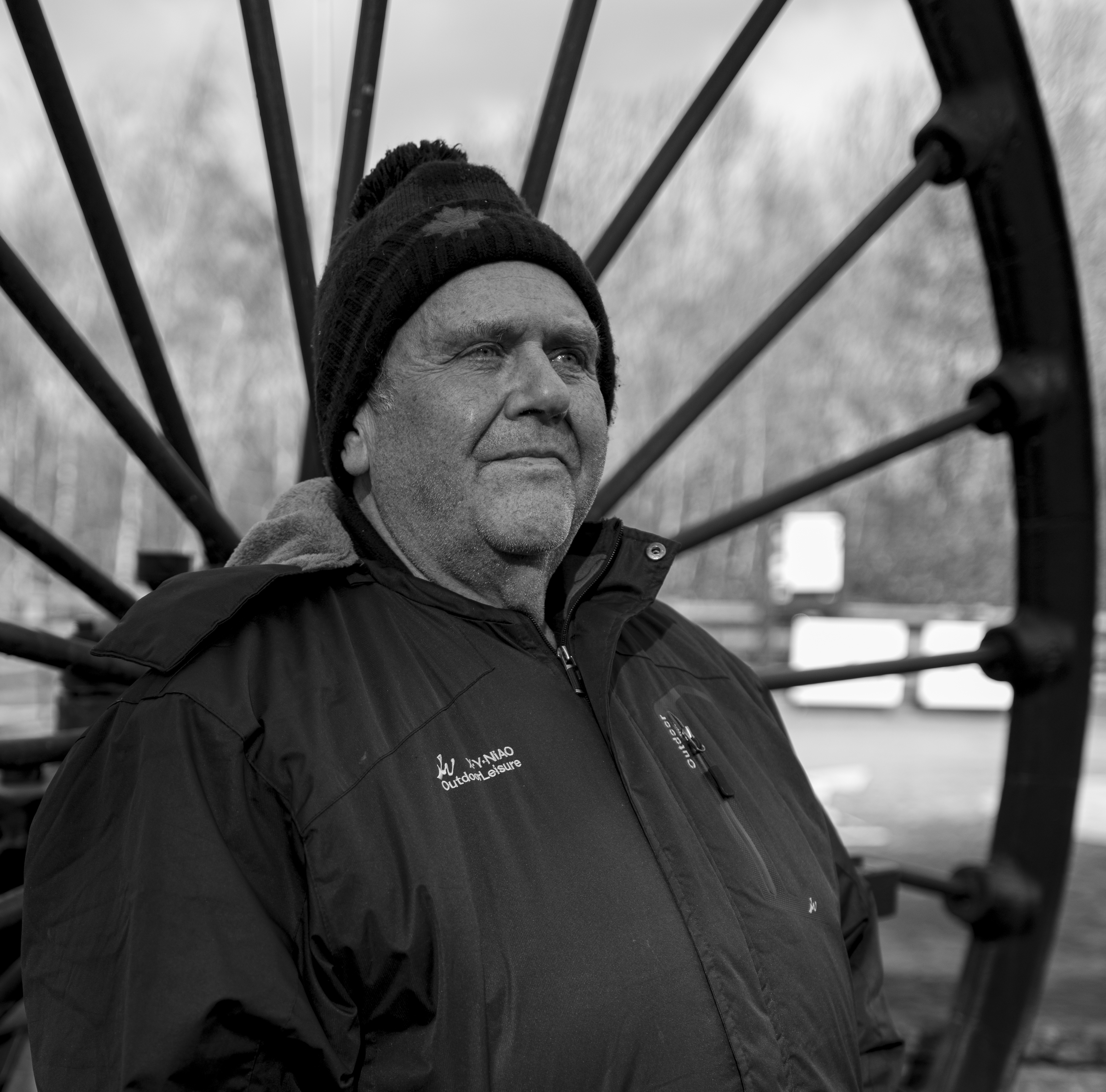
One picketer told me he had been down the mines for 33 years. Of the 1984 strike, he said: “In that strike I lost me house, me marriage, everything. All because I wouldn’t go back to work. Well, I’m not going back this time either until it’s sorted.”
Advertising helps fund Big Issue’s mission to end poverty
Advertisement
Speaking of the museum, he said that he loved working there and added: “You can’t take the miner out of the mine and expect him to behave like a ‘hooray Henry’. It just doesn’t work.” He felt the ex-miners weren’t valued by the museum’s new CEO, Lynn Dunning.
He described an incident last year when the winding wheel had failed and visitors had to be rescued by the now elderly mine guides pushing them in tubs up a steep incline. He said they had received no thanks from the museum for their efforts and that typified the approach of senior management. His view on the strike was “something has to give, and I can’t see it being us”.
One of the striking miners. Image: Marc Davenant
This resolute approach to the strike was consistent among everyone I spoke with. It was clear they all loved the museum, saw it as part of their heritage rather than just a job, and were united in their determination to see the strike through to the bitter end.
Keep reading the journalism that powers our mission
Register free to continue and learn more about the stories, campaigns and the support we provide, helping people facing poverty across the UK.
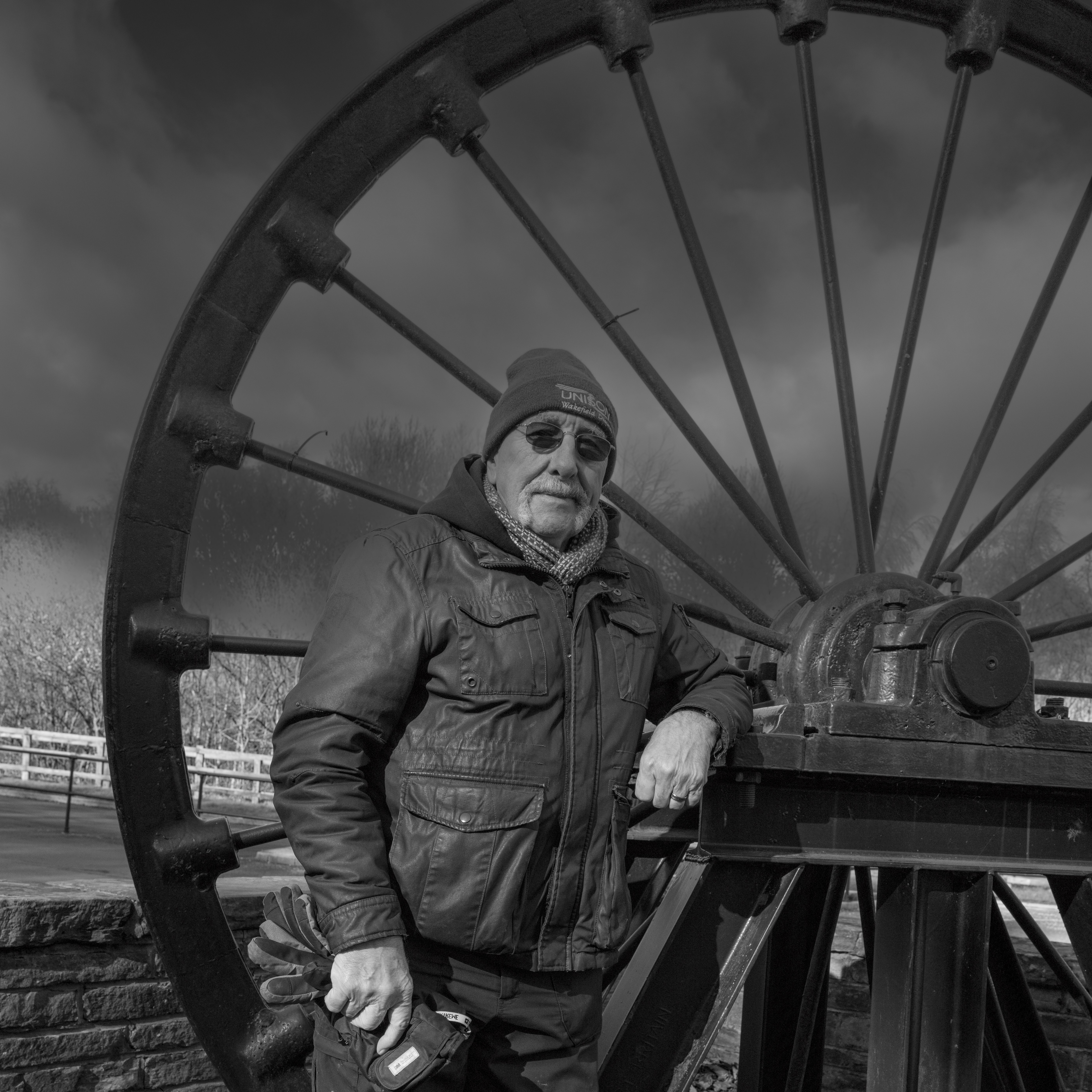
Another striker told me he’d worked down the mines for nearly 30 years, adding, “We want to get around the table and talk but they don’t and that’s the reason it’s gone on for so long… they engineered the strike, shoved us to the gate and here we are”. Describing his work at the museum, he said he loved his job.
“It were like playtime when I first came [in 2011] and I couldn’t wait for the next day to start, it were brilliant.” But he said it had become worse over time, and someone needed to tell the people in charge to get around the table and get the strike resolved otherwise it would go on forever.
Speaking to other picketers showed how the dispute had become acrimonious. They described an incident where they claimed security guards linked to the museum had attempted to intimidate striking workers. There is a video of the incident circulating on social media which appears to confirm their account of events.
When approached for comment, a museum spokesperson said: “This strike benefits no one. It is only a minority of colleagues, Unison members, who are on strike.”
The spokesperson said four offers had been made to Unison workers, with the last being a 6.5% to 7% pay increase. The union has rejected the offers.
Another of the striking miners. Image: Marc Davenant
The museum has been criticised widely over its approach to the strike, with the leader of Wakefield Council, Denise Jeffery, and the local MP John Trickett having called for the board of trustees to resign and for the CEO Dunning to be sacked, according to Unison. A petition calling for the trustees and CEO to resign has had more than 3,400 signatures to date.
“We understand that the focus may now be less about pay and more about Unison’s request for an amnesty,” the spokesperson added.
“We have agreed to an amnesty for taking lawful industrial action, but as a responsible employer, we must also protect colleagues and volunteers who have experienced abuse, bullying and harassment simply for choosing to come to work. We remain fully committed to reaching a fair and sustainable agreement.”
I had the impression from all of this that the pay award was simply the spark that ignited the dispute, rather than the underlying cause.
When approached for comment, Unison Yorkshire and Humberside regional organiser Rianne Hooley said: “This strike can easily be resolved – but it requires the museum managers engaging in meaningful negotiations with Unison. From the start of the dispute, the union has been willing to meet bosses to try to find a solution.
“But both sides need to engage proactively for that to happen.”
As it stands there does not seem to be any prospect of this dispute being resolved soon and the strikers have voted to extend the strike to at least the summer.
Marc Davenant is a photojournalist and Big Issue Changemaker 2026. Photographs and stories from the strike will be included in his Rebellion! exhibition which opens at Newcastle City Library in June and will then be toured around the country
Buy from your local Big Issue vendor every week – and always take the magazine. It’s how vendors earn with dignity and move forward.
You can also support online: Subscribe to the magazine or support our work with a monthly gift. Your support helps vendors earn, learn and thrive while strengthening our frontline services.
Thank you for standing with Big Issue vendors.
Advertising helps fund Big Issue’s mission to end poverty