Your support changes lives. Find out how you can help us help more people by signing up for a subscription
Along with the government’s anti-protest legislation, Civicus noted “a broader context of restrictions that are delegitimising civil society action”, including the anti-strike bill, new restrictions on voter ID, and the Rwanda deportation programme.
Existing police powers around protest have “already permitted the authorities to unduly restrict the right to protest by detaining protesters and preventing demonstrations”, it added, highlighting that at least 54 people were in prison at the end of 2022 for taking part in protests.
Keep reading the journalism that powers our mission
Register free to continue and learn more about the stories, campaigns and the support we provide, helping people facing poverty across the UK.
It was not just laws that gave cause for concern. Rhetoric from government ministers, including a quote from Rishi Sunak that “left-wing agitators are bulldozing British rights”, contributed to a culture where civil society has been “smeared and publicly vilified”.
“The UK is becoming increasingly authoritarian and is among concerning company in the CIVICUS Monitor ratings as restrictive laws and dangerous rhetoric are creating a hostile environment towards civil society in the UK,” said Stephanie Draper, CEO of international development network Bond, in a statement on the report.
Get the latest news and insight into how the Big Issue magazine is made by signing up for the Inside Big Issue newsletter
“Decision makers across all political parties should be alarmed and make it a priority to protect our rights and freedoms.”
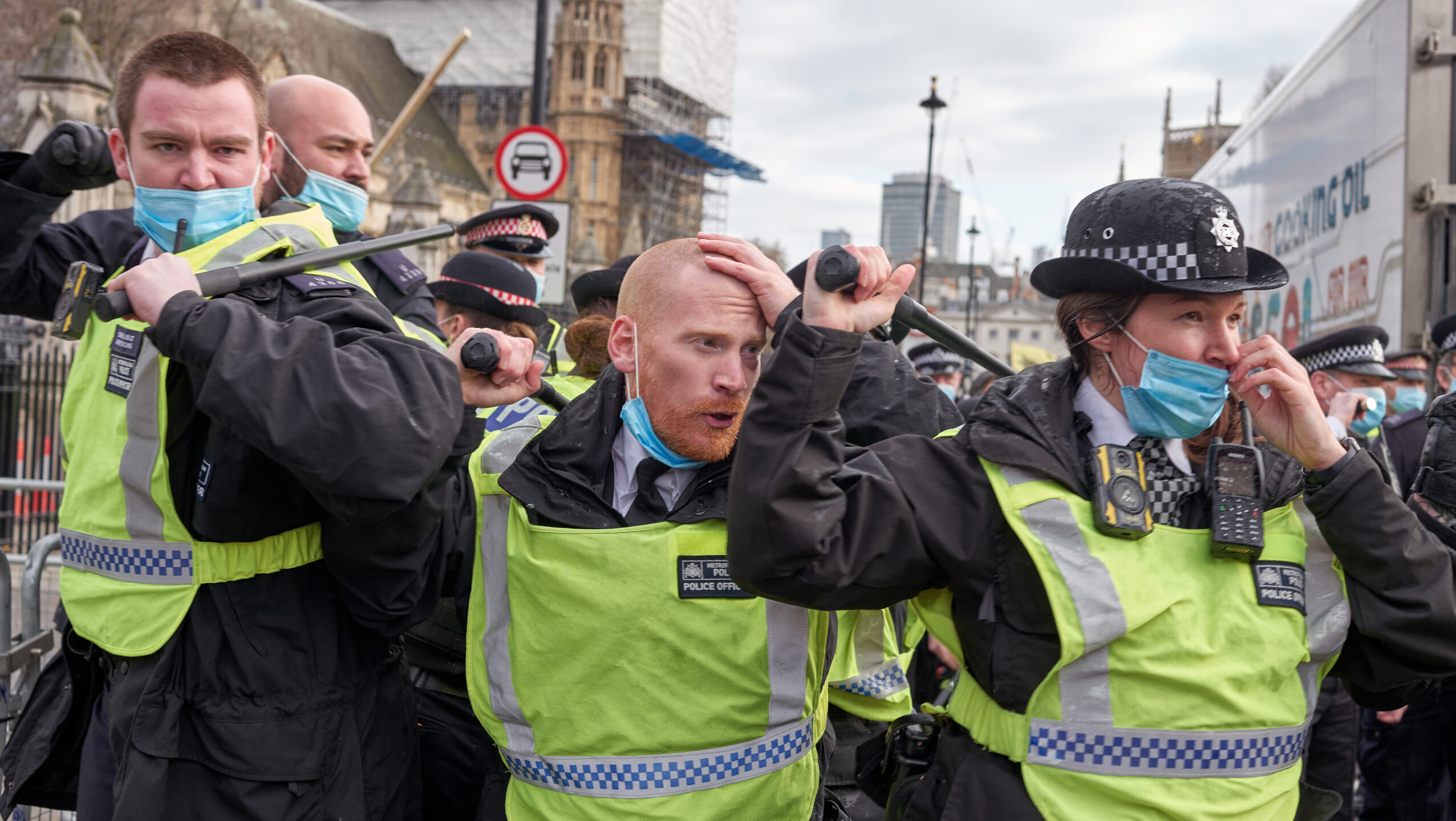
Passed amid widespread “Kill the Bill” protests, the PCSC Act allows police to place restrictions on protests for being too disruptive. The Policing Bill, currently passing between the Commons and the Lords, will go further and allow specific individuals to be banned from protesting.
May’s elections will also be the first where ballots cannot be cast without photo ID, despite warnings the new measures could stop a million from voting, and the fact only four people were convicted of voter impersonation fraud in the decade to 2021.