The Apprentice’s Tim Campbell: ‘I’d make degrees free. We should treat education as infrastructure’
The first winner of The Apprentice is hired at No 10 for an afternoon and he’s got big plans
by: Big Issue
30 Sep 2026
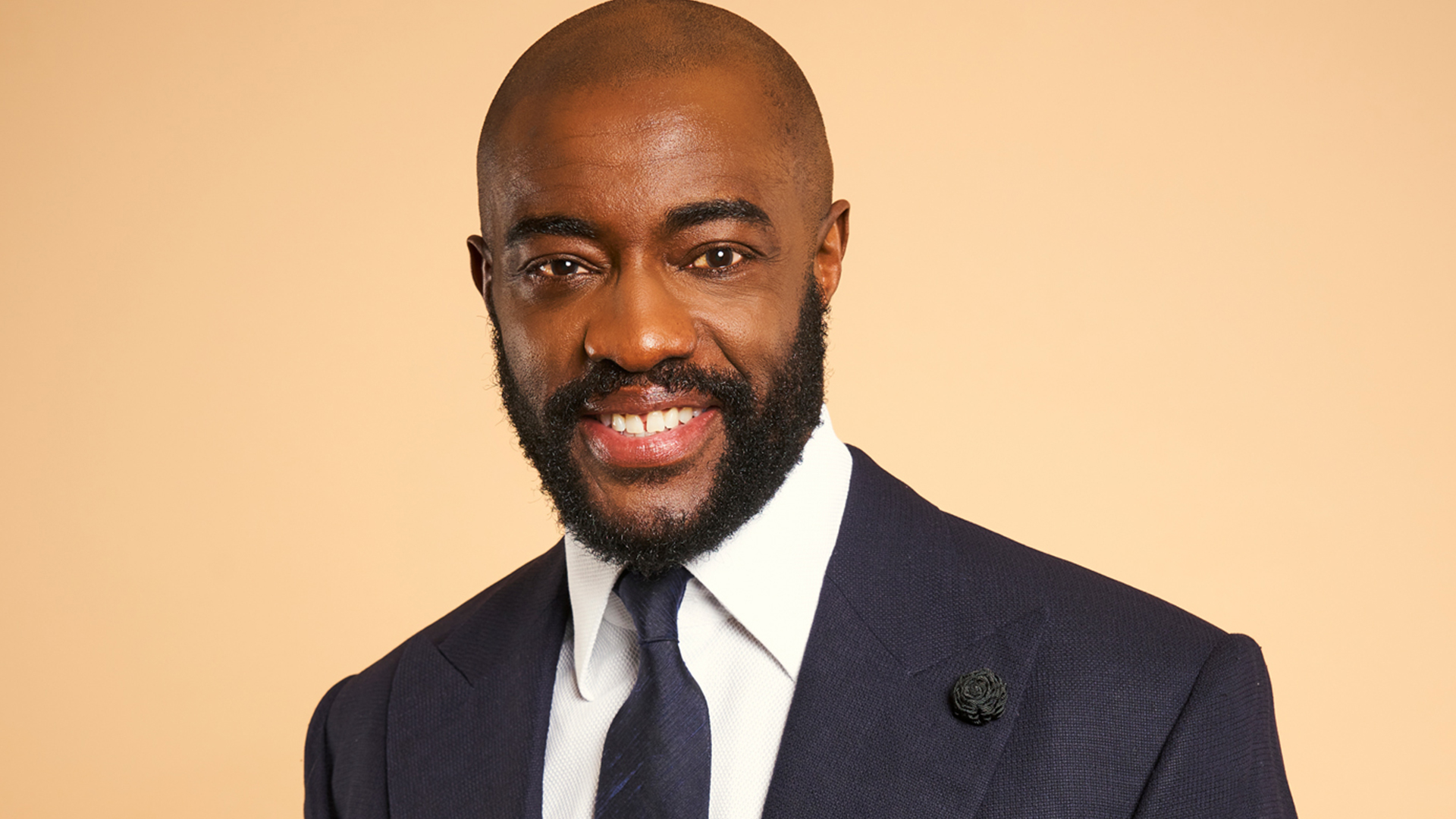
Tim Campbell. Image: Marco Vittur
Share
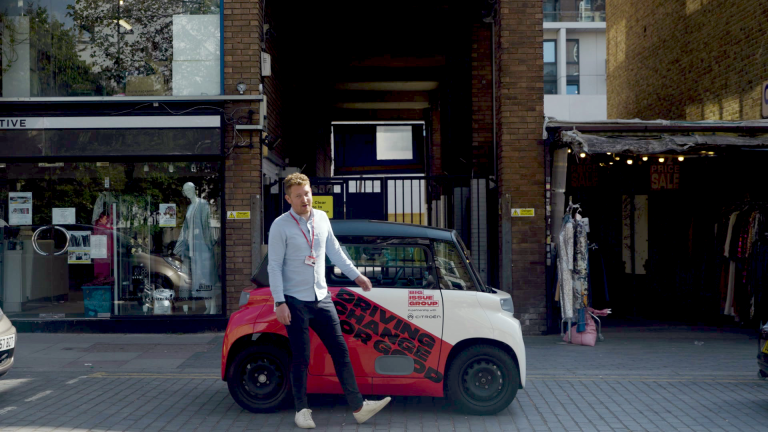
Tim Campbell made his name as the first winner of The Apprentice but if he has plenty of ideas of what he would do if he was handed the UK’s top job.
Campbell is the latest to take on Big Issue’s PM for the PM where we ask people what they would do if they were named prime minister for the afternoon.
The Apprentice star has big plans for education, healing division and much more if he swapped Alan Sugar’s boardroom for 10 Downing Street.
If you suddenly found yourself in high office, what’s the first thing you’d want to fix?
Two things, and they are linked. First, free education all the way to degree level. We treat education as a cost when it is infrastructure, the same as roads or hospitals. You can measure the return: what someone earns, what they pay back in tax, what they do not cost the state later.
If someone has the ability to go further, the country makes money by sending them. I would not make it rely solely on a test at 16 without fixing the earlier stages, because that just rewards those who could afford tutoring.
Advertising helps fund Big Issue’s mission to end poverty
Advertisement
Second, I’d make public services show their benefits. At the moment, departments get budgets whether anything improved or not, which is nobody’s fault but everybody’s problem. I would publish what each one achieved for what it spent, then make the best performers teach the others.
What was the big political issue that you remember from your youth?
The Stephen Lawrence murder. I was a teenager in London when it happened, and what stayed with me was not only the killing. It was how long his mother, Baroness Lawrence, had to fight before anyone in authority took her seriously.
Keep reading the journalism that powers our mission
Register free to continue and learn more about the stories, campaigns and the support we provide, helping people facing poverty across the UK.
Where I grew up, people already knew the system did not really work for everyone equally, but that made it official.
Being right was not enough on its own. Somebody with power had to decide to listen, and she had to force that, at enormous cost to herself. Today, that experience drives my work for social mobility and justice.
Visible, authentic, empowering and leading from the front. The leaders I’ve learnt most from were rarely the loudest in the room. They listen longer, then say the one thing that moves everything forward. I’d rather ask six questions and make one decision than announce the decision and spend a year defending it. Being a good leader is actually about being surrounded by brilliant people.
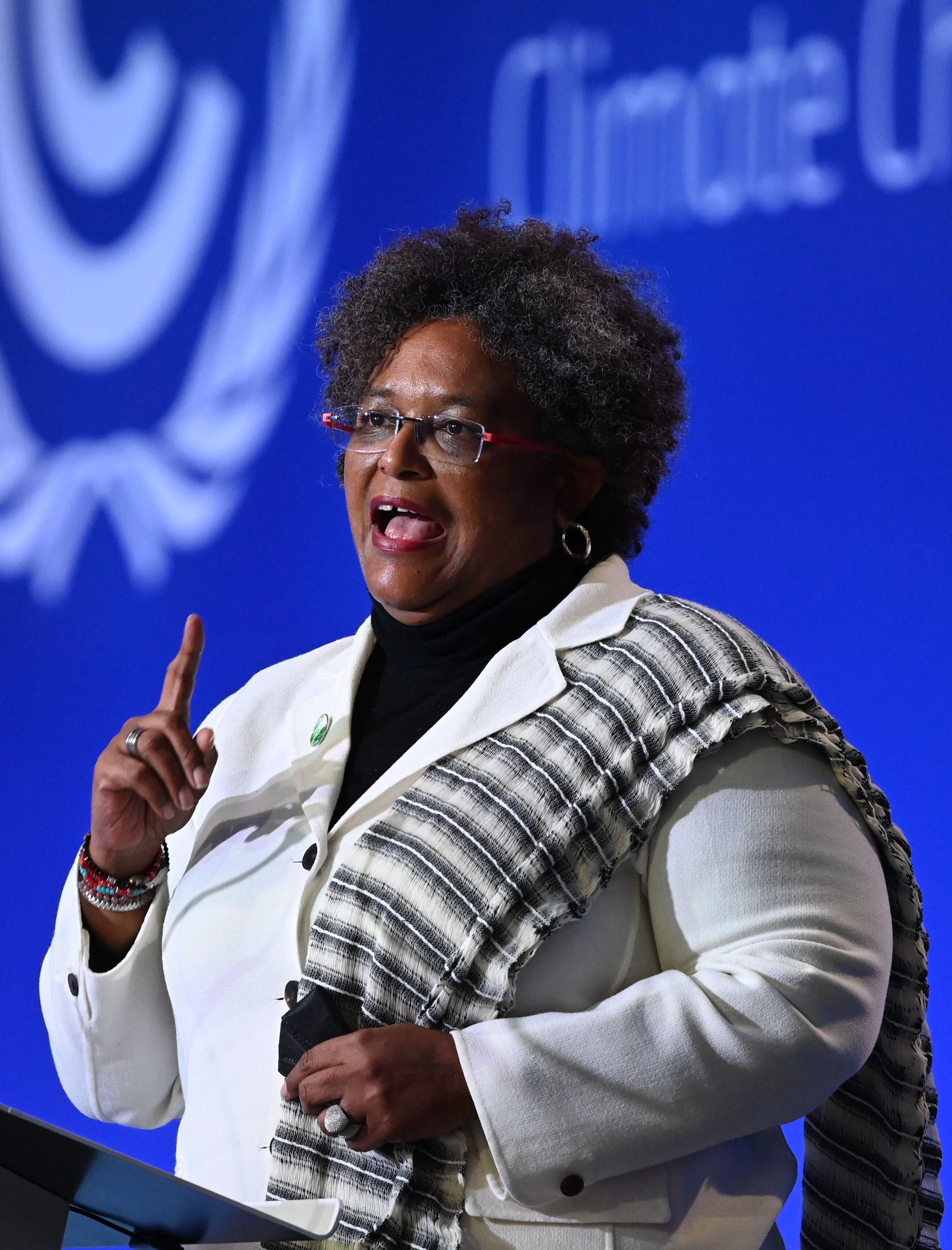
Mia Mottley. Image: PA Images / Alamy
Who would you call on the red telephone that could connect you with anyone?
Mia Mottley [prime minister of Barbados]. She runs a country of under 300,000 people and she has more say in how the world handles climate money than most of the G7. She did that by turning up with a worked-out plan instead of a grievance, which is the only thing that has ever changed anybody’s mind about anything. And she knows a thing or two about winning having won all 30 parliamentary seats in three consecutive general elections.
Who would you award a knighthood/damehood to?
The honours system already recognises teachers and nurses and care workers. The problem is how they get there. You need someone in your life who knows the system and can write a decent nomination, which means the honour partly rewards your network rather than your work.
So I’d measure it instead and pick the best. Whichever teacher moved their pupils the furthest during their career. Whichever nurse cared for the most people in theirs. Whichever care worker supported the most families. Publish the numbers, give them the honour, and let everyone see exactly why they received it.
What’s your big idea to save the world?
Where I grew up, the first question was never about what country you or your parents were from. It was whether you were from around here. That sounds like a small distinction. It’s not. Community was the thing that decided how people treated each other, and once you belonged, everything else came second. I have always carried that with me, because a population that holds together beats a divided one every time. Division is expensive. It costs you talent, it costs you trust and it makes people frightened of neighbours they have never even spoken to. So my big idea is to manufacture the conversations that would never happen on their own.
Germany already proved it works. A newspaper asked its readers a handful of yes-or-no questions on immigration, climate, the things people fall out over, then matched anyone who disagreed with a stranger living within 20km and told them to go for a coffee.
Thousands did it. The first year, over a thousand pairs sat down together. The year after, four thousand! Most came away thinking better of the person opposite them, and a good number changed their mind on something. Researchers looked at it afterwards and they found no backlash, which is the opposite of what happens when you put the same people on social media.
Then there is the Human Library, which started in Copenhagen after a friend of the founders was stabbed. You borrow a person instead of a book and ask them anything for half an hour. The first one was a police officer. Three anti-fascists who had been on the wrong end of policing queued up to ask him why he became a copper, and he was glad of it, because nobody had ever asked. It’s running in over 70 countries now. I’d want the UK to have the biggest library use in the world.
Both of these cost almost nothing. Neither asks anyone to abandon a view they hold honestly. You do not have to agree with someone to stop being frightened of them, and most fear is just not knowing anybody.
If answering these questions has convinced you to stand for election, what are your qualifications for the job? What’s your slogan?
Open the door, then hold it open.
The second season of re:WORKING with Tim Campbell launched on 28 September with a new episode every Monday. The podcast is available on the Rayo app, Apple, Amazon Music, Spotify… or wherever you get your podcasts.