UK floods have devastated lives in 2026. Victims warn flooding is a threat to millions of Brits
As climate change accelerates extreme weather, Big Issue spoke to flood victims about what it’s like when the water comes in.
by:
18 Feb 2026
Heather Shepherd’s house during a flood. Credit: Supplied
Share
After her sixth flood in three decades, Heather Shepherd has stopped trying to keep the River Severn out of her North Shropshire home.
“I just say, come on in,” she tells Big Issue. “Sit down, and let me know when you’re going to go!”
If Shepherd – a campaigner who has spent nearly 30 years working to help victims of flooding – sounds blasé, it’s only because she’s tried everything: spending more than £70,000 trying to floodproof her home, installing removable wall panels and raising all of her furniture and fittings by six inches.
But there’s only so much you can do – “still, the water comes. It’s mentally challenging, it’s physically exhausting.”
Soon, many more people will live with the reality of flooding. Some eight million homes will be at flood risk by mid-century, up from six million today. This winter – one of the rainiest on record – has provided a taste of what a changing climate will inevitably bring. At one point earlier in February, there were hundreds of flood warnings in place over England.
Read more:
Advertising helps fund Big Issue’s mission to end poverty
But in the face of this looming crisis, the UK is unprepared. According to a cross-party parliamentary committee report published late last year, public awareness of the risk of flooding is “dangerously low”, while support systems for victims are “fragmented and inconsistent”.
“Too many people do not understand the risks they face, how to respond to warnings, or how to protect their homes, leaving lives and livelihoods exposed,” it warned.
As climate change accelerates extreme weather and flood zones expand, Big Issue spoke to flood victims about what it’s really like when the water comes in.
“People who have not flooded… really struggle to understand the reality of it.”
What’s it like to experience a flood?
Shepherd is now something of a celebrity in the flood recovery community. She’s spent more than two decades helping victims recover from floods, serving on the National Flood Forum and designing the UK’s flood action group infrastructure. She’s just co-founded a new group – Flooded People – a not-for-profit organisation bringing people together to build collective power and push the issue up the policy agenda.
Advertising helps fund Big Issue’s mission to end poverty
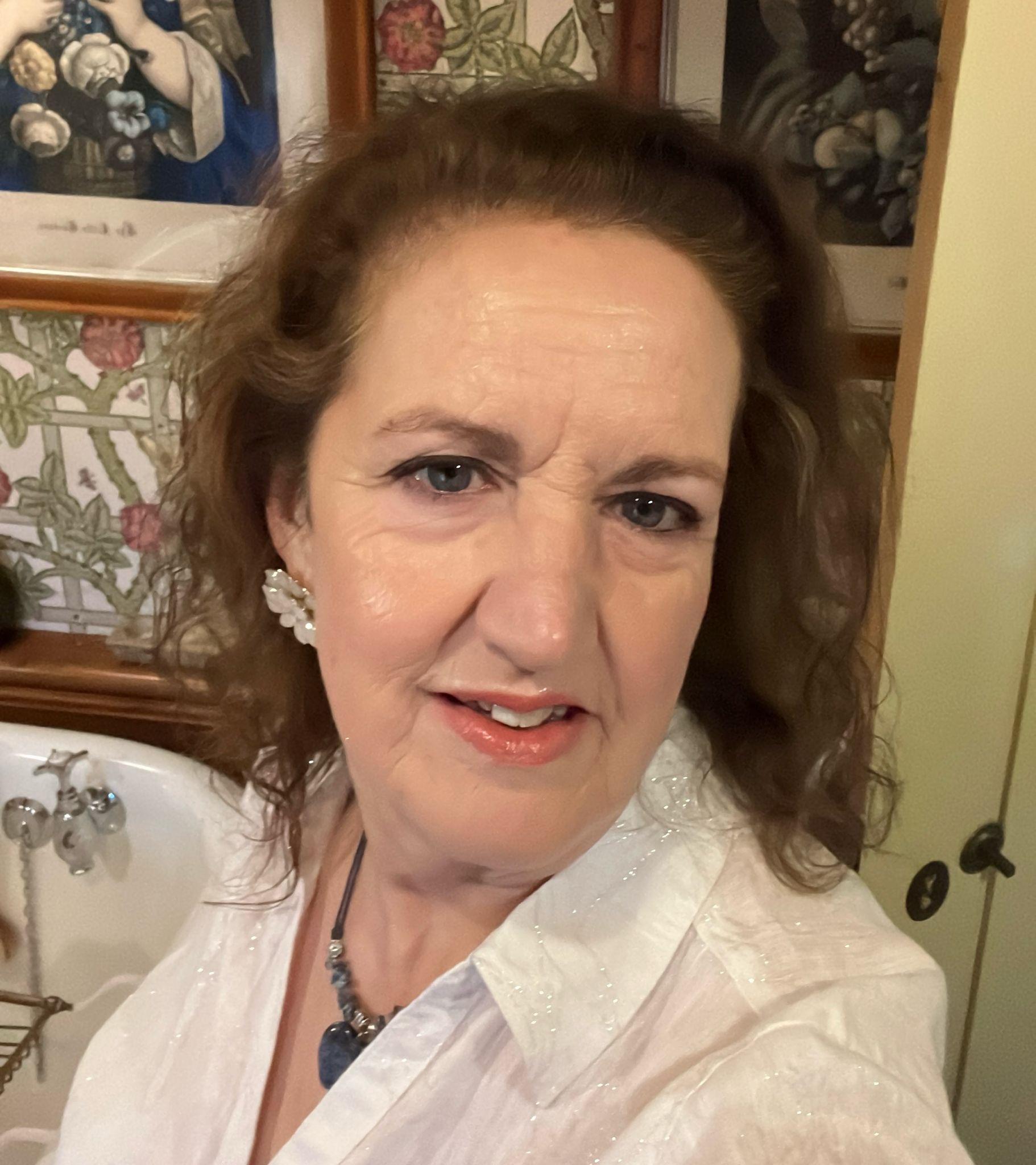
Heather Shepherd. Credit: Supplied
But when she and her husband bought their house in the mid-1990s, they weren’t worried about flooding “at all”. Neither, it seemed, were the council.
“Our solicitors brought to our attention that the property was on the edge of a flood plain,” she said.
“We went to the council to speak to someone about the risk, they were helpful and brought in maps to help with the discussion, they said, ‘look, yes, it’s on the edge of a floodplain. But the last floods were in the 1940s. And there is an earth bund [a type of sloped flood defence] in place to hold the water” Shepherd recalls.
As we shook hands before parting we were told off the record not to worry, it was unlikely to happen. We left feeling reassured.”
Shepherd and her husband finalised the sale and moved in with their two children, then aged eight and 13.
Since then, the house has flooded six times, most seriously in 2000. When the River Severn bursts its banks, it “comes right on in” – “it feels like we live in the middle of a lake.”
Advertising helps fund Big Issue’s mission to end poverty
“Flooding for the first time is the hardest, because it’s a shock, and because you don’t know what to expect… you have absolutely no idea what height it’s going to come in at.
“And when it comes to clean up – you don’t know where to start. You feel you know you’re going from room to room or looking at what’s happened and not really knowing what to do next.”
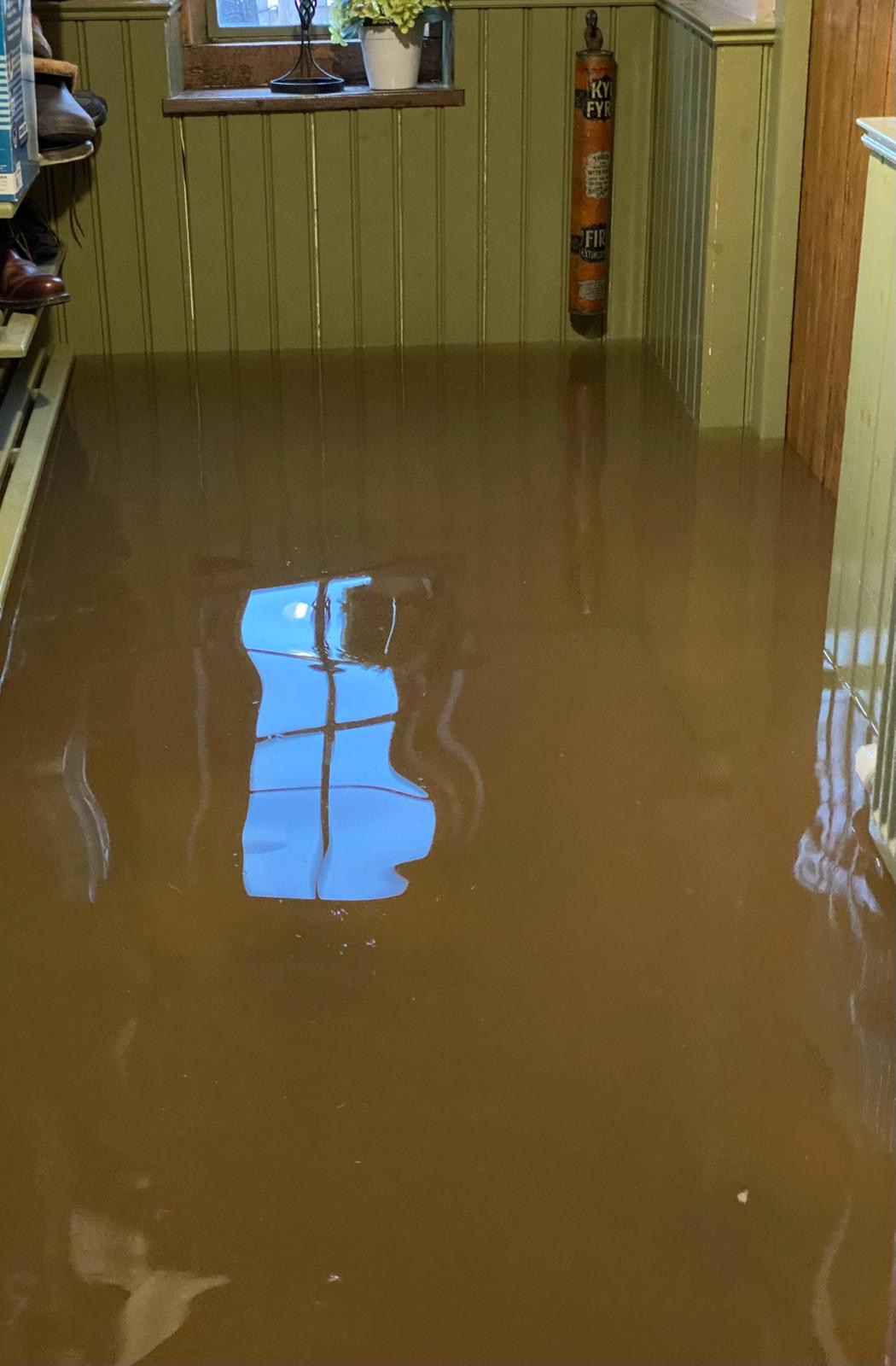
The inside of Heather Shepherd’s house during a flood. Credit: supplied.
When Big Issue speaks to Shepherd, she is currently under yet another flood warning. Across the UK, 26 stations recorded their wettest January on record. Some areas saw more rain in the first five days of February than they would usually expect in the entire month.
“This January was one of the wettest for the UK,” says Dr Chloe Brimicombe, a climate scientist at the University of Oxford. “And that trend has continued into February.”
Climate change is driving the shift. “With climate change the air can hold more moisture,” Brimicombe says. “For the UK we know that there has been an increase in wet and windy storms in the winter.”
When the weather is like this, Jenny South is “constantly vigilant”. She and her family moved into their Plymouth home in June 2019. When they viewed the property, they were told there had been no significant flooding in the previous 25 years. Within days of moving in, the house flooded for the first time.
Advertising helps fund Big Issue’s mission to end poverty
Seven years later, South has logged 47 floods on a spreadsheet she keeps to track every incident.
For her, October through March means constant vigilance. Flood warnings arrive frequently. While South says the alert systems are “brilliant,” they are also incredibly stressful, with alerts often coming in several times a day.
“You’re checking the cameras, you’re checking the rainfall data, you’re checking at what height the stream is,” she says. “Myself and my gran don’t sleep very well… we’re checking messages from the village. Has anybody posted to say that it’s flooding?
“You’d spend from November until March constantly in fear.”
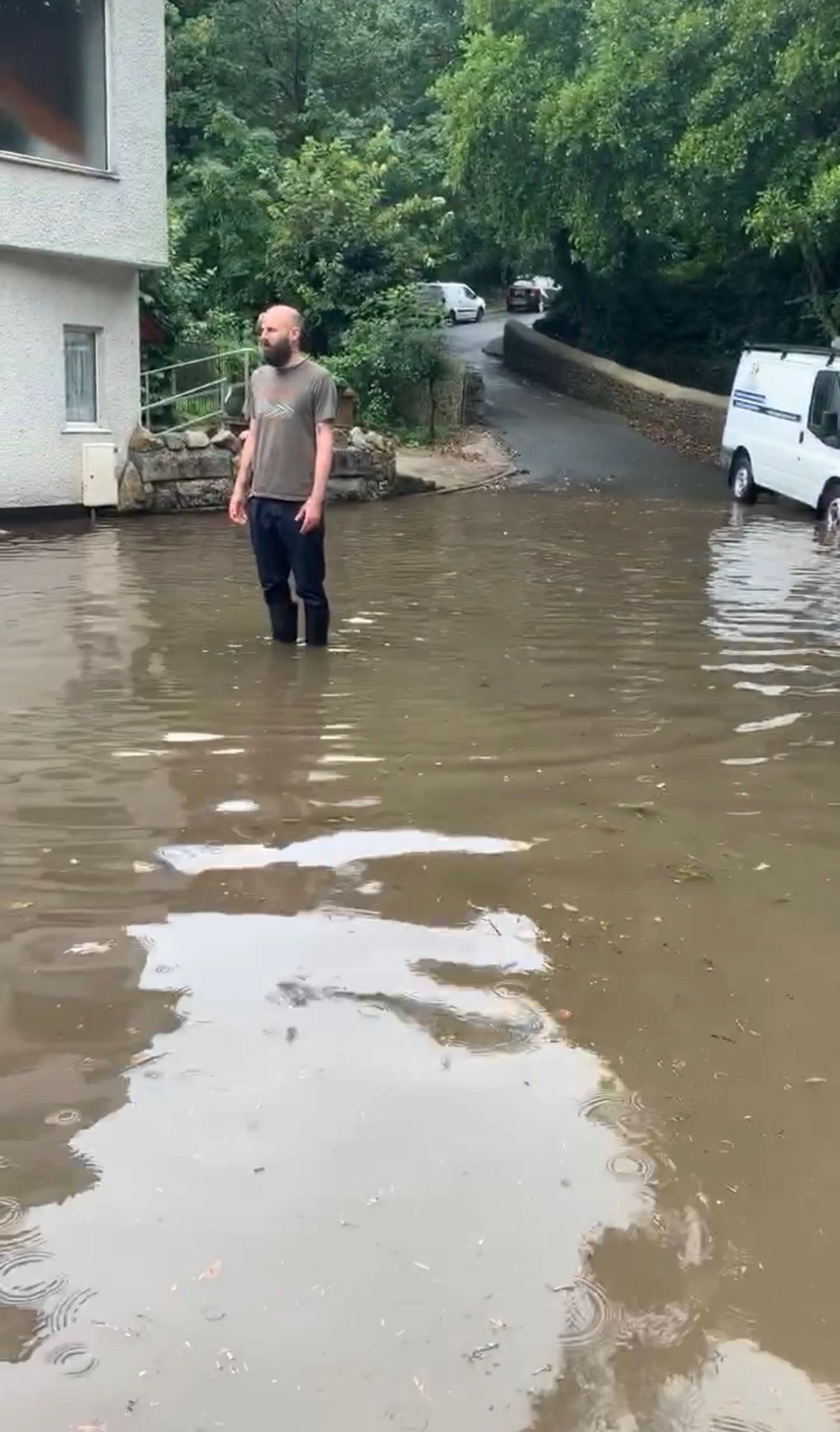
Jenny South’s driveway during a flood. Image: Supplied
South also fears what will happen when her current insurance claim ends. Her premiums are already high, but she’s concerned she won’t be able to get insurance at all.
“I’ve spoken to people that are uninsurable… and I know that come October, we could be in a very different situation,” she says.
Advertising helps fund Big Issue’s mission to end poverty
The finances question is a big one for flood victims. Grants from councils and central government exist, but many flood victims struggle to access them. According to new research from the National Emergencies Trust and Lancaster University, nearly two thirds (63%) of flood victims said their finances were impacted by the event, but almost half (48%) of total survey participants struggled to access financial help beyond insurance payments.
Almost half (43%) of flood survivors surveyed received no professional support. Many were forced into debt after being denied grants or insurance payouts, often for bureaucratic reasons.
“Processing delays meant many faced large upfront bills,” the report warns.
Displacement is also common: some 61% of people impacted by floods had to leave their homes, with 37% living elsewhere for a sustained period and 5% never returning.
It’s “difficult to know where to turn” after a flood, said Shepherd. “Resilience can only go so far, the support systems are inadequate.”
Advertising helps fund Big Issue’s mission to end poverty
According to the cross-party Environmental Audit committee, there is “no single point of national accountability” for flooding – leaving many communities unclear about who is responsible and undermining coordinated response efforts.
In their report out in October, MPs recommend the government establish a single, widely promoted national flood reporting and information service by March 2026, offering a clear point of contact for all types of flooding.
This is a “strategic necessity”, they added.
In its response, the government acknowledged the risks and restated existing funding commitments but declined to adopt key recommendations – including the reporting service.
“There is no big plan from the government,” says Shepherd. “There is nothing that’s been thought out about how they’re going to deal with the impacts of climate change and its effect on flooding.”
A National Audit Office report from 2023 also found that the Environment Agency has scaled back its flood protection plans and is “struggling to maintain” existing defences. The government strategy lacks clear targets and concrete plans beyond the near term. Tens of thousands of properties remain exposed despite rising risk.
Advertising helps fund Big Issue’s mission to end poverty
Instead, responsibility is increasingly pushed onto individuals and communities, through an emphasis on “resilience” – adapting homes so they can be cleaned and reoccupied more quickly. But that framing obscures the real problem, said Shepherd.
“No matter how resilient you are, does that make it okay to flood? Absolutely not,” she says. “How can anyone of any power suggest that this is a way that we all have to live?”
Without sustained funding and coordination, she argues, even well-intentioned policy cannot deliver meaningful protection.
“Unless we can support councils and the Environment Agency in a much bigger way, with proper funding and integrated solutions, we’re not going to move forward with how we deal with flooding in this country,” she says.
It’s this gap – between the scale of the crisis and the lack of support – that has pushed Shepherd and others to act. As climate change accelerates flood risk, Shepherd has co-founded Flooded People UK.
The group is calling for stronger planning reforms to prevent new builds in flood zones, major investment in infrastructure, and a meaningful national strategy on drainage and sewage failures.
Advertising helps fund Big Issue’s mission to end poverty
The organisation connects people who have just flooded with others who have lived through it repeatedly, offering peer support while feeding lived experience directly into policy discussions.
“We need to talk about this,” Shepherd says. “Because it’s only going to get worse.”
For people like the South family, the stakes are existential. Flooding may drift in and out of the headlines with periods of heavy rain – but for those living with it, “this never goes away,” says Jenny.
“And people might not know what it looks like right now, but they will do soon.”
Advertising helps fund Big Issue’s mission to end poverty
Buy from your local Big Issue vendor every week – and always take the magazine. It’s how vendors earn with dignity and how we fund our work to end poverty.