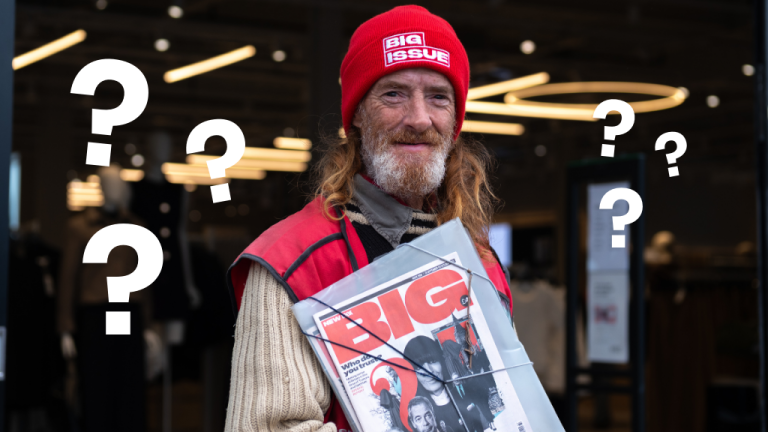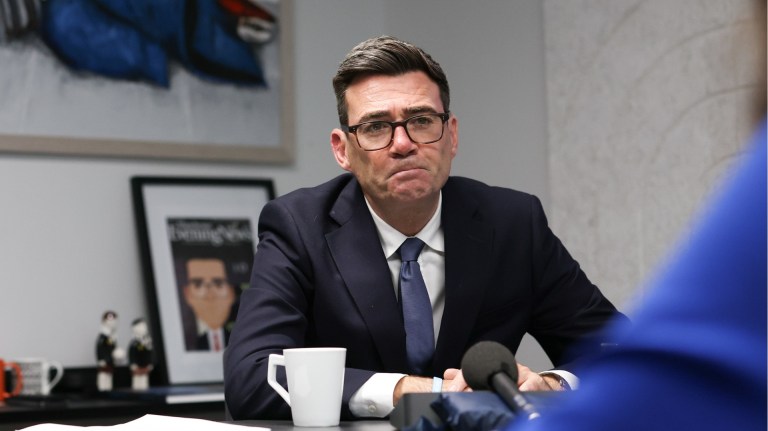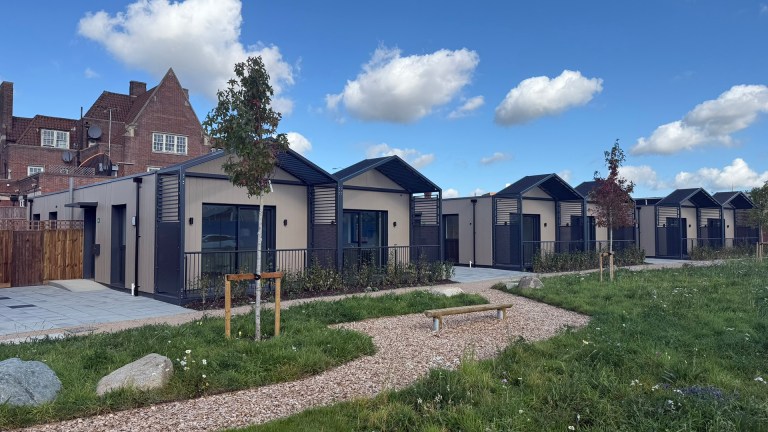
For the first time in a long time, we have a prime minister making clear that rough sleeping is a moral tragedy that should have no place in modern Britain, and that a home is a basic necessity.
The prime minister’s commitment to offer everyone rough sleeping a route off the streets by Christmas is welcome, but success cannot simply be measured by whether an offer is made. As I heard in discussions with homelessness minister Florence Eshalomi at Labour Party Conference, the government is rightly thinking beyond Christmas and recognising the importance of prevention and long-term support. The real test will be whether people are able to leave the streets and homelessness behind for good.
For almost 60 years, St Mungo’s outreach teams have been supporting people sleeping rough with varying needs and life experiences. This can include women fleeing domestic abuse, who find themselves on the streets because they cannot access safe accommodation, or people who have been forced to leave their home because they can no longer afford their rent. Trauma, poor health and a distrust of services can make it harder to get help, turning one night on the streets into months, or even years, of rough sleeping.
We have seen a heartbreaking increase in the number of people living on the streets of London for long periods. The most recent annual statistics from the Combined Homelessness and Information Network (CHAIN) showed that out of 13,000 people sleeping rough in London, one in four – that’s over 3,000 people – are considered to be sleeping rough long-term. People trapped on the streets for months or years face some of the greatest barriers to leaving homelessness behind and need sustained, tailored support to rebuild their lives.
Read more:
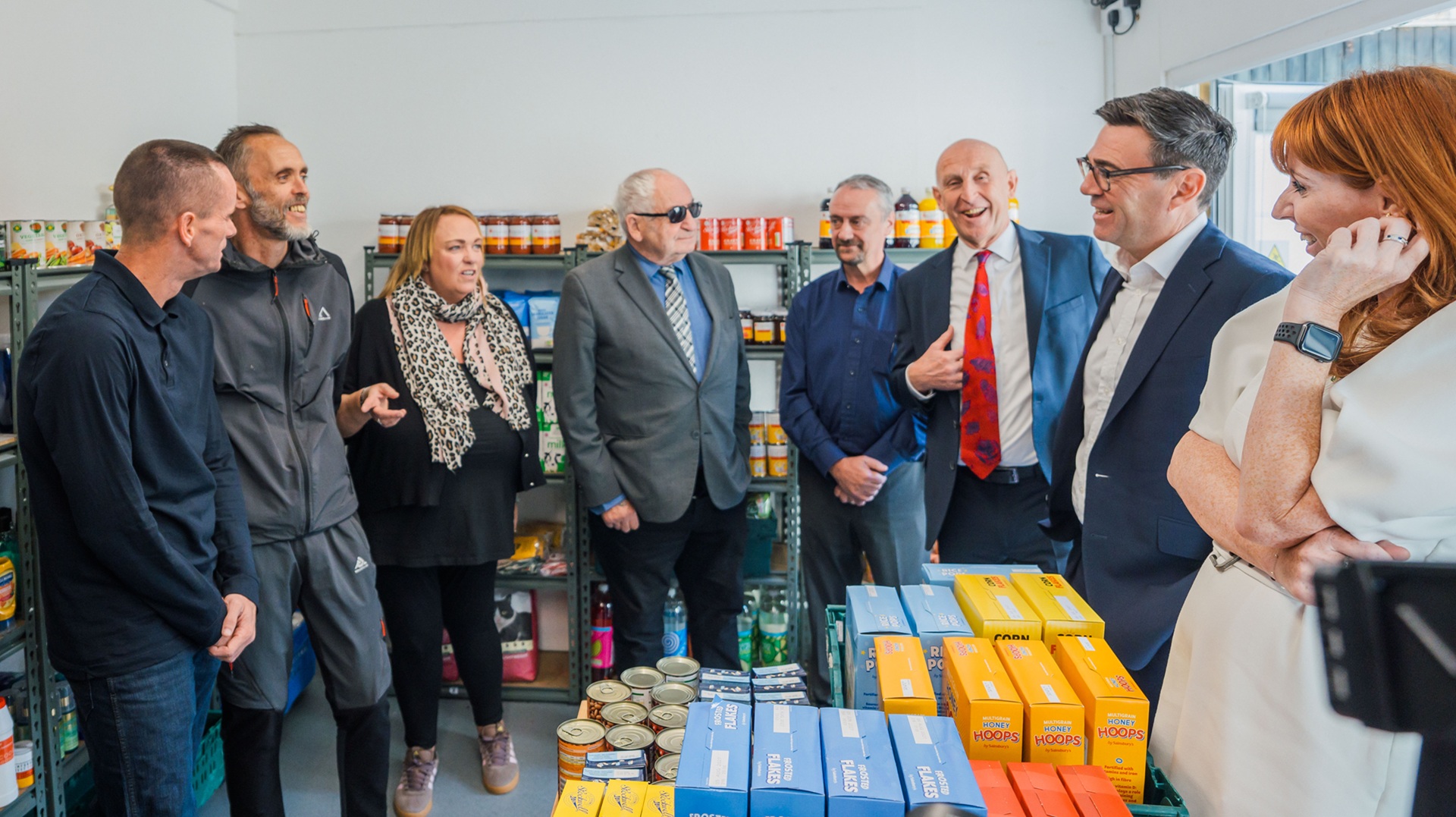
- Andy Burnham visits Big Issue-backed homelessness charity in bid to end rough sleeping
- Andy Burnham to donate 15% of PM’s salary to homelessness fight: ‘I want to lead from the front’
- More than 1,700 people died while homeless in 2025. It’s a ‘national scandal’
Outreach that makes a difference
The offer away from the streets is predominantly made by outreach teams like ours at St Mungo’s, who often have the first engagement with people sleeping rough. What outreach teams are doing is about more than bringing people inside: it’s about listening, building trust and working alongside people to overcome barriers and find a safe, sustainable route off the streets that meets their needs.