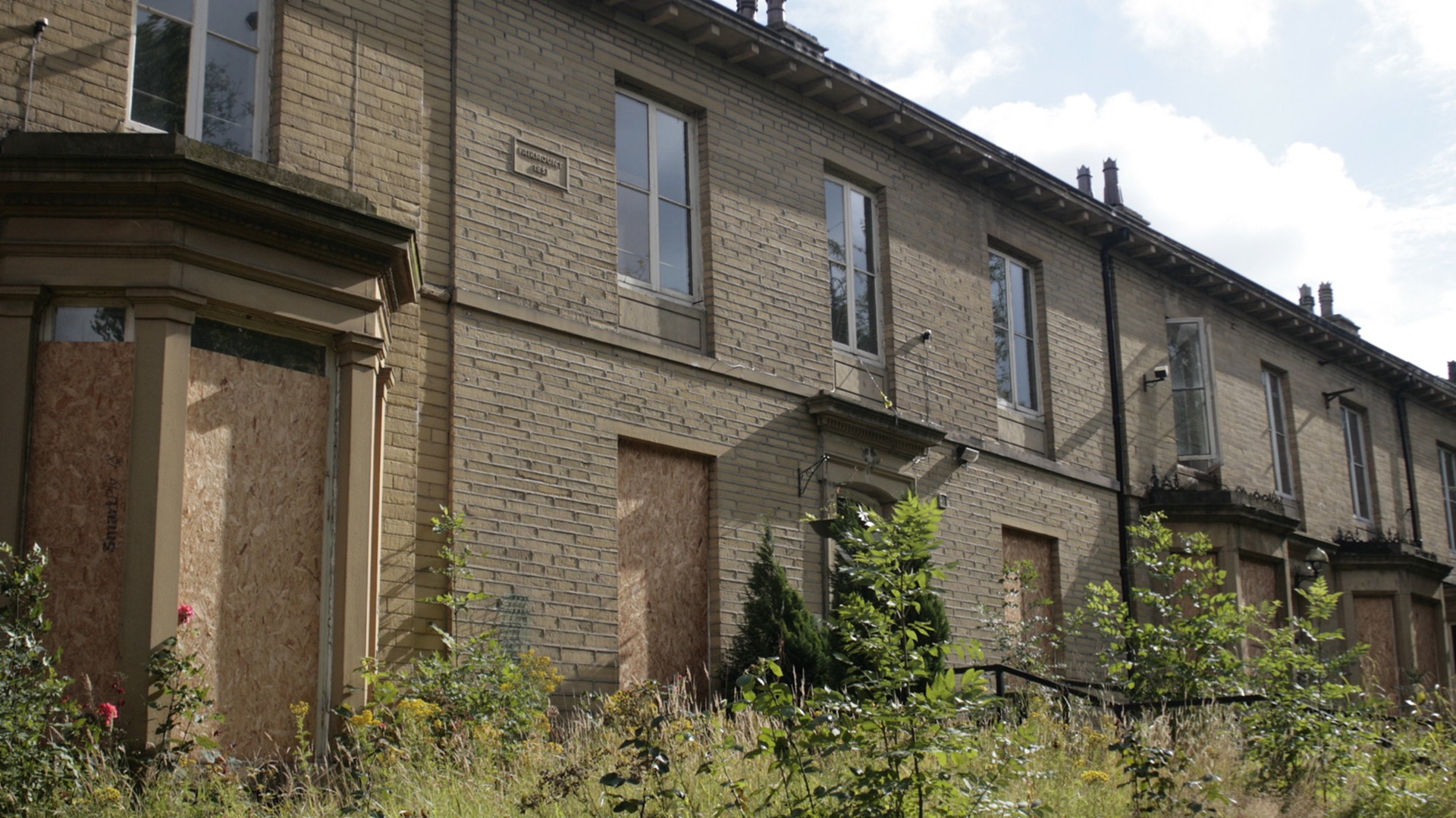
“Action on Empty Homes see empty homes both as a sign of what is wrong and as an opportunity to start turning our housing crisis around.”
Big Issue recently backed calls for a government empty homes strategy in England, with John Bird calling it “bold, long-term prevention thinking”.
The number of vacant homes in England has risen by 50% in the decade since the last the last government-funded programme ended, Bailey said.
He called for capital gains tax relief to allow empty homes to be sold into social housing stock.
“At present we spend billions subsidising temporary accommodation trapping families in substandard accommodation while bankrupting councils when we could be investing in creating lifetime social homes by retrofitting and repairing wasted empty homes, while we await more significant investment in new social homes – which should be our highest priority,” said Bailey.
“In 2026, our focus is on the opportunity which empty homes represent, to offer hope for the future. But that hope will be in vain while government continue to tie the council’s hands with weak powers and a focus on building homes that we won’t see for years, without getting the homes we already have occupied and upgraded.”
Advertising helps fund Big Issue’s mission to end poverty
How many empty homes are there in Wales?
More than 22,000 homes are empty for more than six months in Wales at a time when one in every 14 households in Wales is currently waiting for a social home. The Bevan Foundation has suggested a shortage of social housing in the country could be solved by using existing homes and buildings.
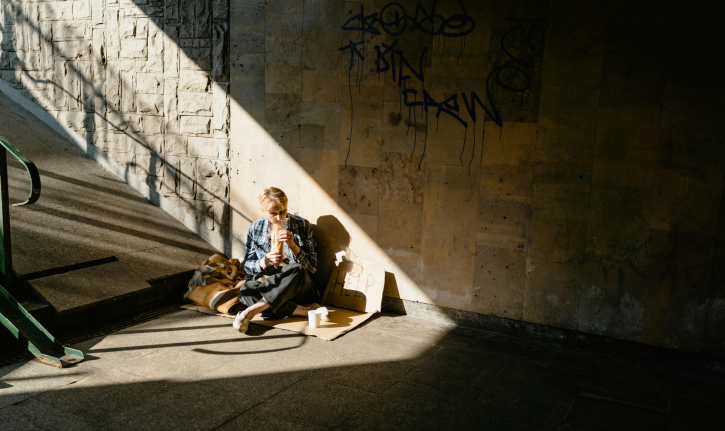
In Wales, there are currently 6,285 people living in temporary accommodation while they wait to be housed, including 2,500 children.
To help tackle this, the Welsh government has been working towards the delivery of 20,000 new social homes during the current Senedd term. But with housebuilding levels slumping, attentions should turn to existing properties instead, the think tank said.
There were 22,528 homes in Wales empty for six months or more in 2025-26 and up to 4,500 could be suitable for purchase as social homes, according to Bevan Foundation analysis.
A further 60,000 homes sold off under the Right to Buy scheme, which was abolished in Wales in 2019, could be purchased by social landlords.
There are also opportunities to buy homes from second home owners as well as holiday lets and private landlords looking to sell following greater regulations.
Advertising helps fund Big Issue’s mission to end poverty
Wendy Dearden, senior policy and research officer at the Bevan Foundation, said: “It cannot be right that, tonight, thousands of families across Wales will go to bed in cramped, unsuitable rooms in B&Bs while perfectly good houses sit empty across the country.
“As homelessness and waiting lists for housing continue to grow, it’s clear that Wales’s housing crisis can’t be fixed by building alone. We need to look at how we can use the stock we already have – whether that’s by refurbishing empty homes and buildings or purchasing ex-council houses and privately-rented homes – to provide social homes at the scale that’s needed.”
Dearden added that regulations would need to change to scale up efforts and more funding would be needed.
Changes included amending land transaction tax to exempt social landlords and community groups repurposing homes and the Welsh working with the Westminster to review VAT rules.
“In our research, we found great examples of local practice, and a real enthusiasm to bring existing properties into use,” she said.
How many empty homes are there in Scotland?
In Scotland, 44,453 privately owned homes have sat empty for more than six months as of September 2025. Of those, 32,337 have lay vacant for over 12 months.
Advertising helps fund Big Issue’s mission to end poverty
That was an increase of 915 homes over the previous year, according to figures published by the Scottish government.
The Scottish Empty Homes Partnership (SEHP) has called for continued investment and strategic working to realise the potential of the thousands of properties lying empty across the country.
The group, which formed in 2010, has brought 13,000 homes back into use.
But, like in Wales and England, housebuilding levels remain low. The Scottish government has previously declared a housing emergency and pledged to build 110,000 affordable homes by 2032.
Five years into the programme, 32,479 homes have been built. With 36,000 more by 2030 promised in the most recent comprehensive spending review, Shelter Scotland estimated 41,521 would have be built in the last two years to hit the milestone.
That’s where turning to vacant properties could help.
Advertising helps fund Big Issue’s mission to end poverty
Tahmina Nizam, Scottish Empty Homes Partnership national manager, said: “In councils across the country, dedicated empty homes officers are working hard to bring empty homes back into use. The figures are a reminder of just how important that work is.
“No home was built to sit empty, and we simply can’t afford to let these vital assets go to waste. Bringing empty properties back into use is a cost-effective way to ease housing pressures; in many cases it will be the simplest, quickest, way to expand local affordable and social housing stock.”
Read more:
What are the solutions to empty homes?
Bringing homes left empty back into use is often the responsibility of local authorities.
Councils in England can charge higher rates of council tax for properties left unfurnished and unoccupied to encourage owners to bring them back into use.
That means council tax can double after a home is left empty for one year, rising to 200% for a home unoccupied for five years and 300% for more than a decade.
Advertising helps fund Big Issue’s mission to end poverty
The Welsh government’s national empty homes grant scheme offers homeowners up to £25,000 to renovate properties, making them energy efficient and suitable to live in.
There is a £2 million loan fund in Scotland for acquiring and refurbishing empty homes.
But Propertymark research, which quizzed 226 councils in England, Scotland and Wales through freedom of information requests, found that only 38% of councils have an empty homes strategy in place and just 41% have at least one dedicated empty homes officer.
Timothy Douglas, head of policy and campaigns at property agents body Propertymark, said: “Long-term empty properties are a visible reminder of a system that is not working as effectively as it should. At a time when housing demand continues to outstrip supply, leaving hundreds of thousands of homes unused is neither economically nor socially sustainable.
“Our research shows that while governments across the UK have introduced a range of measures, too many local authorities lack the dedicated resources, funding and strategic framework needed to deliver meaningful change. Financial penalties alone will not solve the problem. What works is sustained local engagement, professional advice, and properly funded empty homes teams that can support owners through the process of bringing properties back into use.”
Do you have a story to tell or opinions to share about this? Get in touch and tell us more.
Advertising helps fund Big Issue’s mission to end poverty
Change a vendor’s life.
Buy from your local Big Issue vendor every week – and always take the magazine. It’s how vendors earn with dignity and move forward.
You can also support online:Subscribe to the magazine or support our work with a monthly gift. Your support helps vendors earn, learn and thrive while strengthening our frontline services.
Thank you for standing with Big Issue vendors.