Advertisement
Housing

How the house price boom at the turn of the century slashed social mobility

House prices surged between the mid-1990s and the mid-2000s. A new study from the Institute of Fiscal Studies breaks down how it drove inequality among the next generation

It’s not uncommon for millennials and Gen Z to rage against baby boomers and Gen X for hoarding housing wealth – but a new study suggests rising house prices creates more haves and have-nots for generations to come.

The Institute of Fiscal Studies’ (IFS) research has linked surging house prices between the mid-1990s and mid-2000s to reduced social mobility and inequality for the next generation as well as their own.

Average house prices rose from around four times annual earnings in 1995 to eight times by 2010. The median average home cost 7.7 median average earnings for full-time employees in England in 2024 and 5.5 times average earnings in Wales, according to the Office for National Statistics.

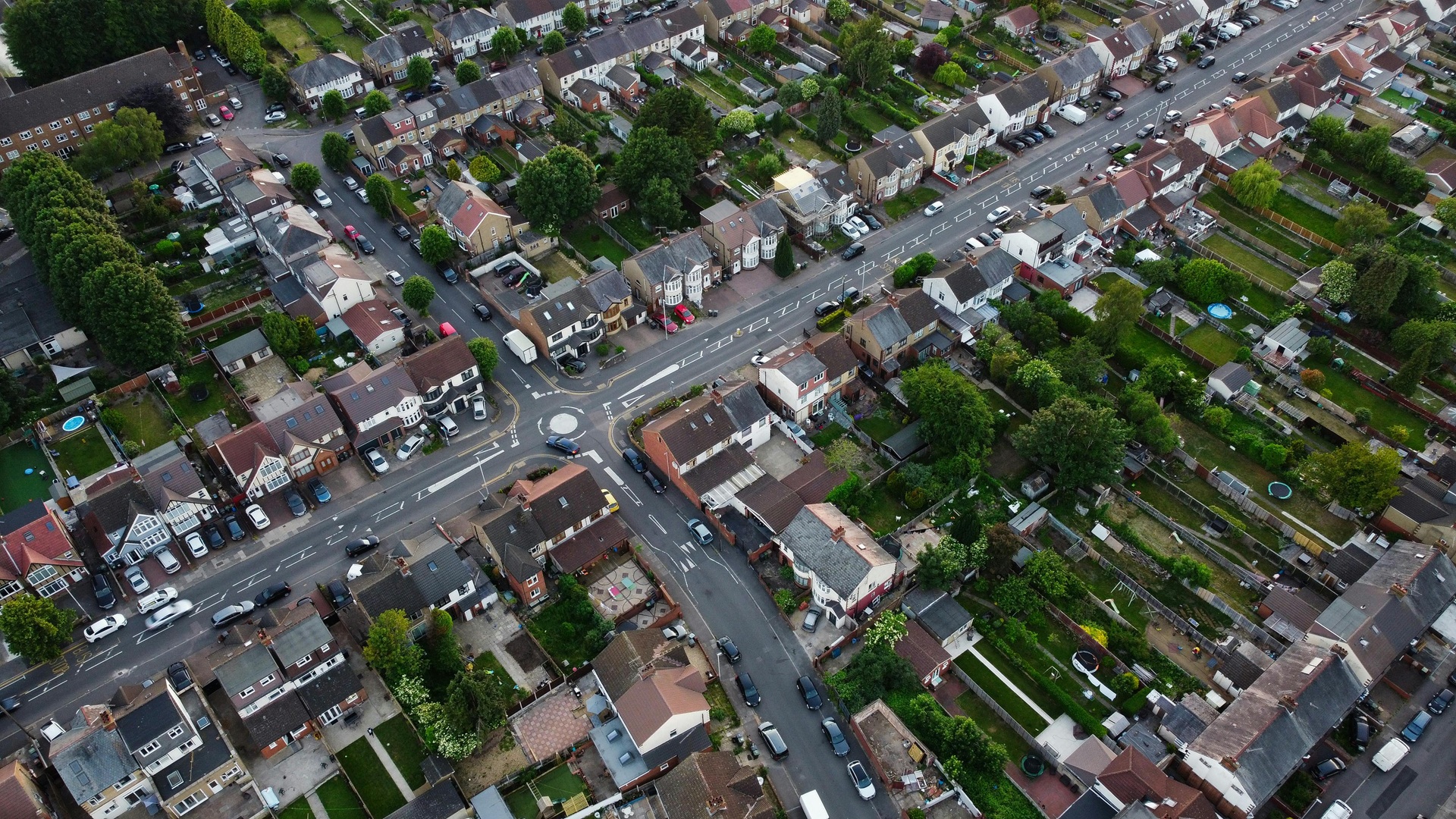
The rises at the end of the 20th century and the start of the 21st created enormous wealth gains for some households but not others. That drove a big increase between homeowners and renters and had a knock-on effect for the beneficiaries’ children, IFS found after analysing Census data.

Peter Levell, a deputy research director at the Institute for Fiscal Studies, said: “The surge in house prices from the mid-1990s until the mid-2000s created significant and lasting inequalities – not just between people at the time, but among their children as well.

“Studying this period of booming house prices helps us to separate the role of housing wealth gains in child outcomes from other reasons the children of wealthier parents might do better (such as the intergenerational transmission of skills or family connections).”

Advertising helps fund Big Issue’s mission to end poverty
Advertisement

IFS found that children of homeowners in booming areas, such as London and the South East, having relatively more housing wealth themselves in their late 20s to late 30s and they were more likely to own homes than children of renters.

IFS estimated that each £100,000 gain in real-terms housing wealth for parents over 1991–2011 led to their children having on average £15,000 more housing wealth when aged 28–37.

The children of parents who benefited from the house price boom were more likely to own a home in London. The house price boom gave people from outside the English capital the opportunity to buy a home in the most expensive property market in the country.

That also meant children of parents who were boosted by the boom were more likely to enter highly paid occupations in London than other children.

IFS estimated each £100,000 increase in parents’ housing wealth increased the probability of earning a top 20% salary by 1.5 percentage points.

Read more:

Advertising helps fund Big Issue’s mission to end poverty

Male children of parents who did better in the housing boom were also more likely to move into the most highly paid jobs than other male children, although IFS researchers did not find the same gains with female children.

IFS found that each percentile increase in parents’ gross housing wealth led to a 0.28 percentile increase in their children’s gross housing wealth but without the boom it would have been only half the size at 0.14 percentage points.

The findings show that policies that change the taxation of capital gains on housing wealth are likely to affect wealth inequality in the next generation as well as the current one.

The research comes amid continued conversations about wealth and property taxes with council tax and stamp duty both under the spotlight in the lead-up to November’s autumn budget.

Chancellor Rachel Reeves opted to introduce a high value council tax surcharge from April 2028. Dubbed a ‘mansion tax’, it will apply to around 100,000 properties and is expected to raise £400 million per year.

Levell added: “Our results imply that policies that affect the size of housing wealth gains – including changes to taxation or housing supply in booming areas – would affect inequalities in future generations as well as in the current one.”

Advertising helps fund Big Issue’s mission to end poverty

Do you have a story to tell or opinions to share about this? Get in touch and tell us more

Change a vendor’s life this winter.

Buy from your local Big Issue vendor every week – and always take the magazine. It’s how vendors earn with dignity and how we fund our work to end poverty.

You can also support online with a vendor support kit or a magazine subscription. Thank you for standing with Big Issue vendors.

Advertising helps fund Big Issue’s mission to end poverty

GIVE A GIFT THAT CHANGES A VENDOR'S LIFE THIS WINTER 🎁

For £36.99, help a vendor stay warm, earn an extra £520, and build a better future.
Grant, vendor

Recommended for you

Read All
The innovative project giving homeless people a fighting chance through boxing and martial arts
Homelessness

The innovative project giving homeless people a fighting chance through boxing and martial arts

Homelessness facts and statistics: The numbers you need to know in 2026
Homelessness

Homelessness facts and statistics: The numbers you need to know in 2026

Rents in UK are at record highs. Will they keep going up?
rents uk
Renting

Rents in UK are at record highs. Will they keep going up?

Homeless people were given £2,000, no strings attached. Here’s what they spent the money on
UK pounds coins and banknotes
Homelessness

Homeless people were given £2,000, no strings attached. Here’s what they spent the money on

Most Popular

Read All
Renters pay their landlords' buy-to-let mortgages, so they should get a share of the profits
Renters: A mortgage lender's window advertising buy-to-let products
1.

Renters pay their landlords' buy-to-let mortgages, so they should get a share of the profits

Exclusive: Disabled people are 'set up to fail' by the DWP in target-driven disability benefits system, whistleblowers reveal
Pound coins on a piece of paper with disability living allowancve
2.

Exclusive: Disabled people are 'set up to fail' by the DWP in target-driven disability benefits system, whistleblowers reveal

Cost of living payments: Where to get help in 2025 now the scheme is over
next dwp cost of living payment 2023
3.

Cost of living payments: Where to get help in 2025 now the scheme is over

Citroën Ami: the tiny electric vehicle driving change with The Big Issue
4.

Citroën Ami: the tiny electric vehicle driving change with The Big Issue