“I wanted to make people uncomfortable a little bit, right?” said Dr Stephanie Barker, education director of the Centre for Homelessness Research and Practice at the University of Southampton.
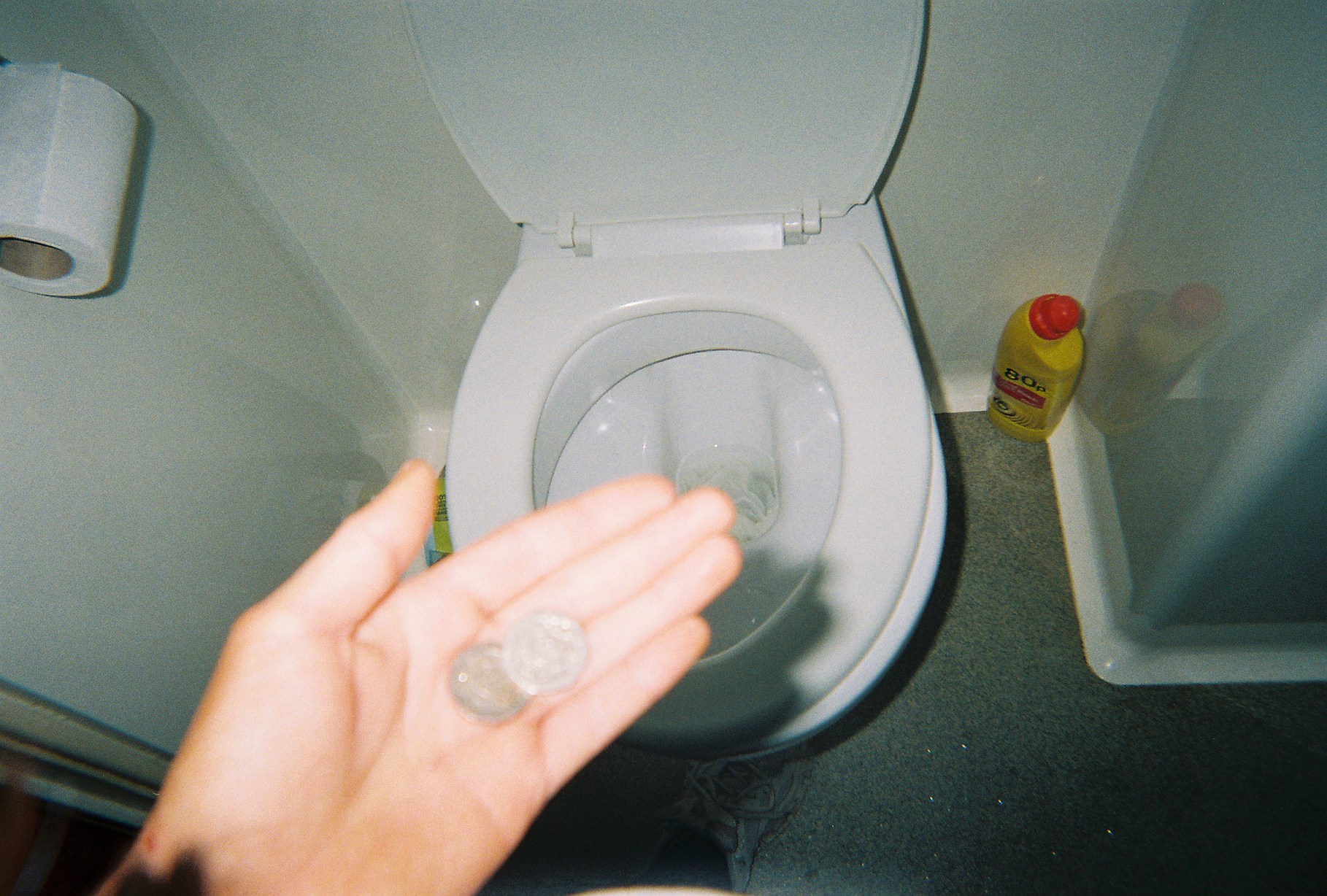
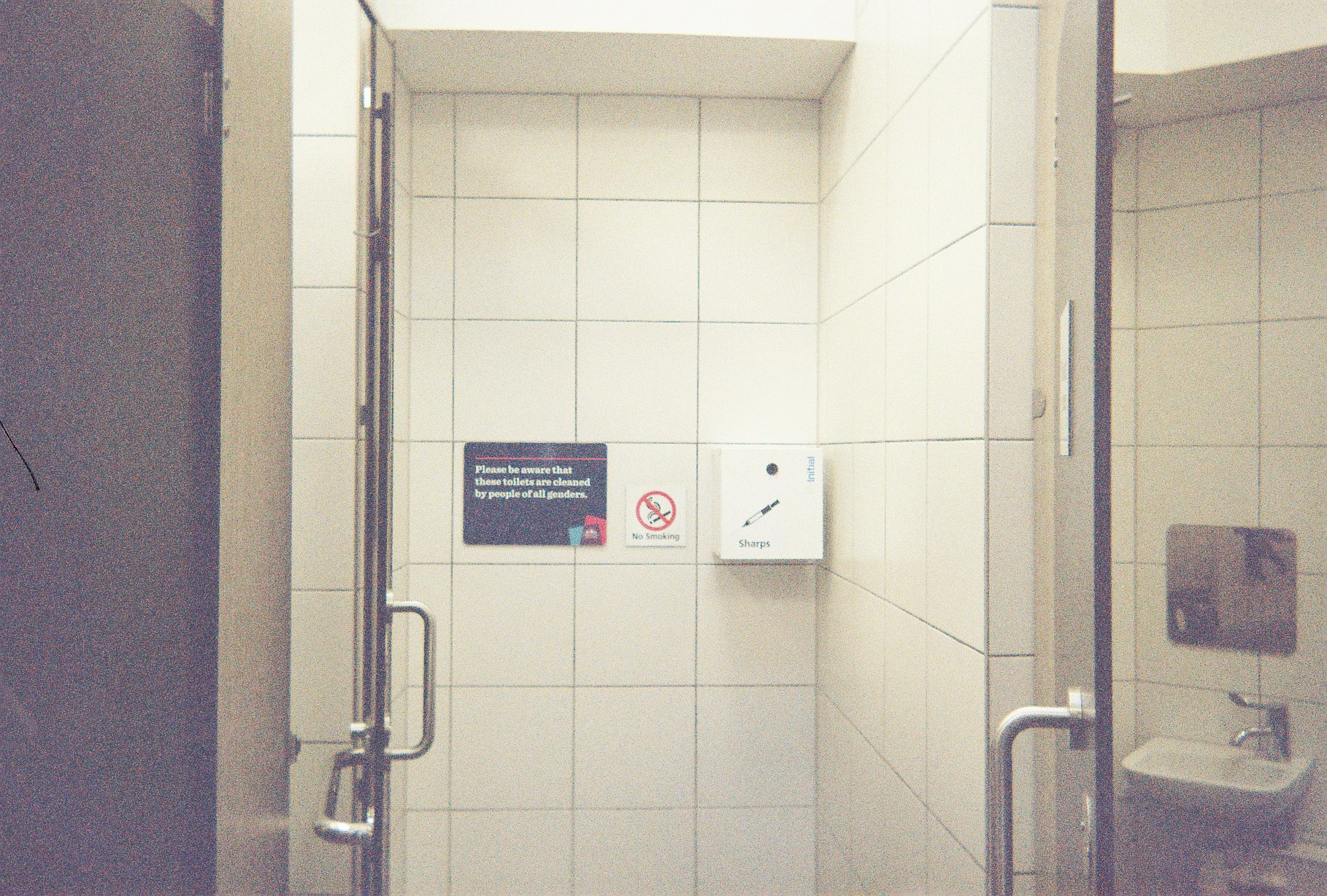
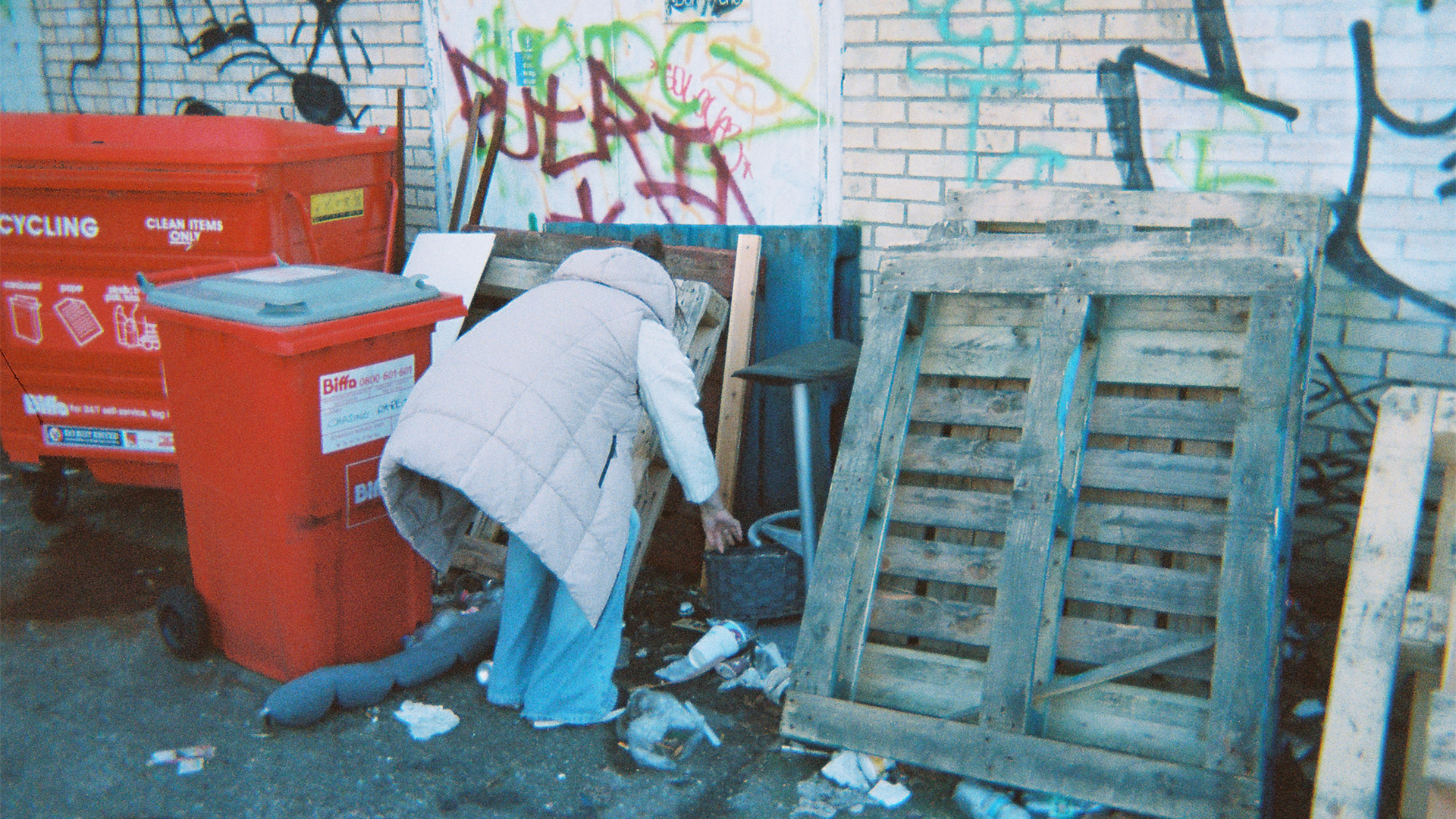
Dr Barker and psychologists at the university recently conducted small-scale, but in-depth interviews with a group of homeless women around their experiences. They asked the homeless participants to take part in ‘photovoice’ research – a method which uses self-generated photos to spark discussion about experiences and feelings. The participants were not the ones Dr Barker wanted to make uncomfortable. It was everyone else.
The study showed that stigma, male-centric systems and structural neglect around homeless women’s menstrual health was a barrier. Talk around periods and consideration around the issues was largely out of sight and out of mind.
“We know it’s stigmatised and that was one of the biggest results that women talked about is that they’ve never been asked about their menstrual health,” said Dr Barker. “Do we even know what a normal period is? How would I know if there is something wrong when it’s not really talked about?”
Read more:
- Period poverty: Homeless women forced to steal tampons or use old clothes as period products
- Where to find free toiletries, period products and nappies in the UK
- Homelessness facts and statistics: The numbers you need to know in 2026
Period poverty is a global problem and one which women, non-binary, trans, and gender non-conforming people who menstruate, face every day in the UK.