Advertisement
Housing

Women can’t be left out in the cold if we are to end rough sleeping

Miriam spent years living in the shadows as a woman with no recourse to public funds. Without acknowledging the link between homelessness, immigration status and gender inequality, no government will ever succeed in ending rough sleeping

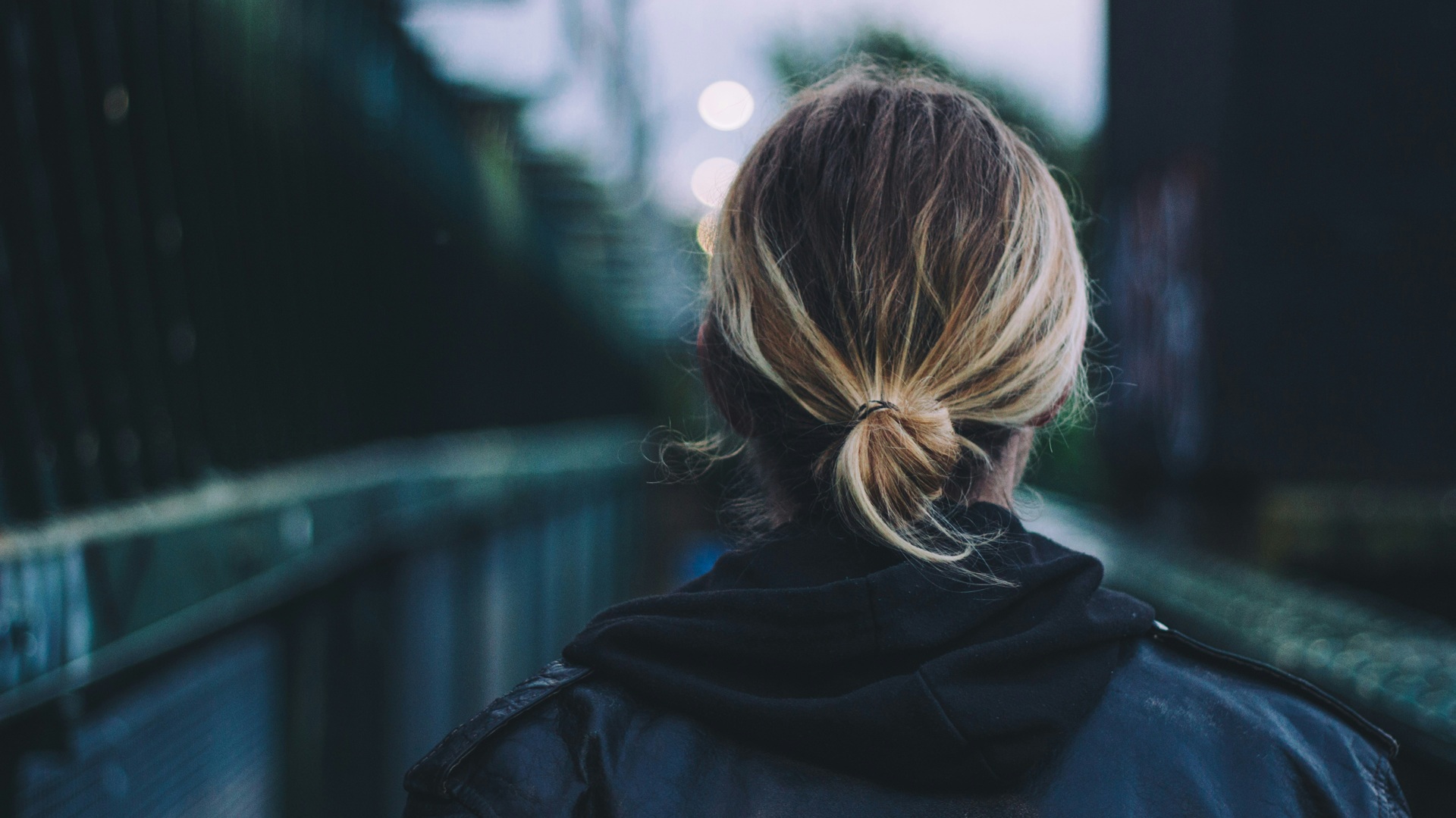
Last week, I spoke to our client, Miriam, about her experiences of rough sleeping in London.

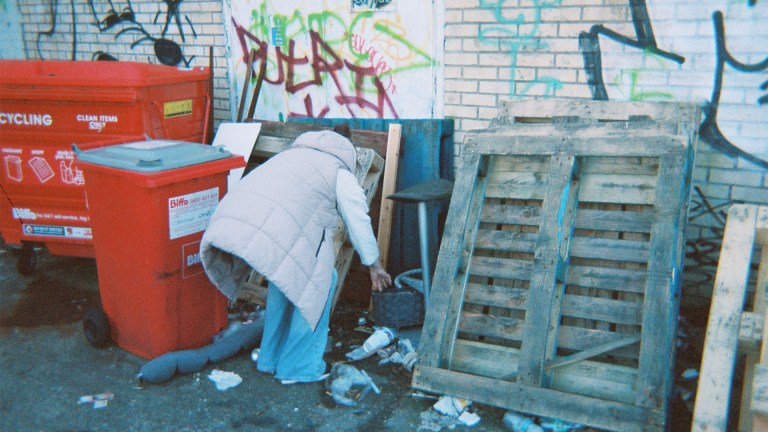
Miriam is a Slovakian national, aged 69, who fell into homelessness around two decades ago, when she was struggling to find work and could not find a secure place to rent. When the UK left the EU in 2020, Miriam was still rough sleeping. Isolated from services that could provide her with advice, she did not know that she could apply for status under the EU Settlement Scheme (EUSS).

Without immigration status in the UK, and therefore no recourse to public funds, Miriam became even more isolated from services that could support her. Shelters and refuges for rough sleepers often have no beds, or a very limited number of beds, for people without immigration status or recourse to public funds. She was not eligible to apply for any housing or support from the council.

As a 69-year-old single woman, Miriam avoided sleeping on the street at night for her own safety. Instead, she often spent nights staying inside places such as local libraries when she was allowed, and sofa surfing with people that she met. Therefore, she was isolated from outreach homelessness support.

When Miriam did sleep directly on the streets, she experienced people approaching her throughout the night, making her feel threatened and vulnerable. She described joining queues for hot food during the day and at night, where there were not enough staff or security for the number of people queuing and no CCTV. While queuing, she was regularly approached by opportunists she believed were coercing her into sex work.

Miriam also described being witness to the treatment of other women on the street: young women being harassed, intimidated, and forced into begging or other ways to make money. On one occasion, she was extremely distressed when she witnessed police approaching a visibly vulnerable young woman on the street for disorderly behaviour but failing to take any steps to help her.
Advertising helps fund Big Issue’s mission to end poverty
Advertisement

These incidences made Miriam fearful of the outreach teams that approached her in the middle of the night. She did not know who she could trust, or whether approaching a service would put herself further at risk. As a result, Miriam became increasingly isolated from anyone that could support her.

We know that there are brilliant services in the UK for women rough sleepers, including those from migrant backgrounds, but many women do not know these services exist or, like Miriam, are deeply fearful of accessing them.

Read more:

Keep reading the journalism that powers our mission

Register free to continue and learn more about the stories, campaigns and the support we provide, helping people facing poverty across the UK.

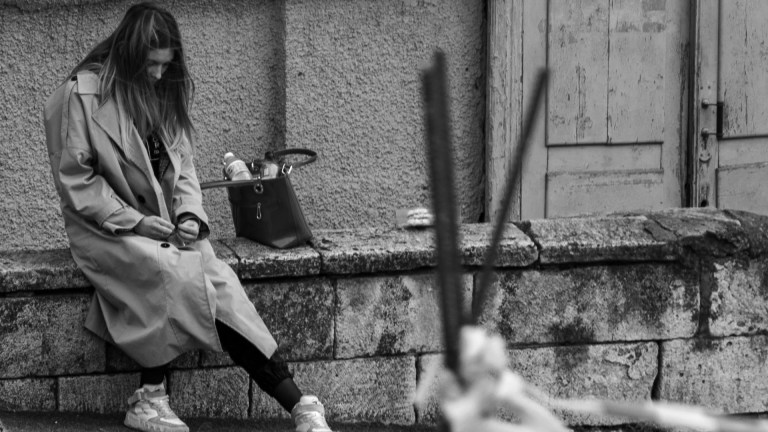
This week, organisations across the UK are coming together to take part in the annual women’s rough sleeping census. Women’s rough sleeping is under-recorded, as women are far more likely than men to be ‘hidden homeless’. Women are more likely to sofa-surf, or stay in 24-hour restaurants overnight, or in libraries like Miriam, because it is just too dangerous for them to be bedded up on the street. This can make women less visible to the outreach teams and less likely to access services where they do not feel safe.

For women like Miriam, who lack immigration status and recourse to public funds, the marginalisation is intensified. They often fear being turned away by services due to their lack of status, and as a result, are more likely to be forced into alternative ways of finding places to sleep or making a bit of money to survive.

The aim of the women’s rough sleeping census is to gather information from all who identify as women and are rough sleeping about their experiences. The official government snapshot reported that in 2025, only 15% of those rough sleeping were women. We do not think this can be true; women are just far less visible to services, because of exclusion, fear and isolation.

Advertising helps fund Big Issue’s mission to end poverty

Miriam was fortunately assisted by her local council, but only after she found herself in hospital and after years living in the shadows. RMJ supported Miriam to make an application for settled status in the UK, which was granted. With status and recourse to public funds, Miriam has just been able to move into her new accommodation. She is relieved and happy to build her life back, away from the streets.

Though Miriam’s story has a happy ending, there are many other women in her position who can’t access the support they need. Miriam’s experience shows why we need to look beyond the people we can see when we talk about rough sleeping. If women are forced to hide in order to stay safe, they are also more likely to be hidden from the services designed to support them.

The census is an important opportunity to better understand these experiences and work towards a homelessness services sector that properly serves the needs of women, including migrant women. Moving forward, the government must acknowledge the intersection between homelessness, immigration status and gender inequality. Without such a holistic approach, no government will ever succeed in ending rough sleeping.

Ella Tritton is rough sleeping casework manager at Refugee and Migrant Justice

Do you have a story to tell or opinions to share about this? Get in touch and tell us more

Change a vendor’s life.

Advertising helps fund Big Issue’s mission to end poverty

Buy from your local Big Issue vendor every week – and always take the magazine. It’s how vendors earn with dignity and move forward.

You can also support online:
Subscribe to the magazine or support our work with a monthly gift. Your support helps vendors earn, learn and thrive while strengthening our frontline services.

Thank you for standing with Big Issue vendors.

Advertising helps fund Big Issue’s mission to end poverty

Do you know how Big Issue 'really' works?

Watch this simple explanation.

Recommended for you

Read All
How a British man was pulled into modern slavery working at a food court in the heart of London
An illystration of people walking in a line to illustrate modern slavery
Modern slavery

How a British man was pulled into modern slavery working at a food court in the heart of London

Are you paying enough council tax? How Londoners could be underpaying property taxes by £3.1bn
London's skyline
Housing

Are you paying enough council tax? How Londoners could be underpaying property taxes by £3.1bn

Influencers are using smart glasses to film homeless people. It's exploiting people for views
An illustration of smart glasses in Orwellian style
Technology

Influencers are using smart glasses to film homeless people. It's exploiting people for views

AI is increasingly being used on listings for homes to rent. Is it acceptable or misleading?
The reality vs AI enhancement
Housing

AI is increasingly being used on listings for homes to rent. Is it acceptable or misleading?

Most Popular

Read All
Renters pay their landlords' buy-to-let mortgages, so they should get a share of the profits
Renters: A mortgage lender's window advertising buy-to-let products
1.

Renters pay their landlords' buy-to-let mortgages, so they should get a share of the profits

Exclusive: Disabled people are 'set up to fail' by the DWP in target-driven disability benefits system, whistleblowers reveal
Pound coins on a piece of paper with disability living allowancve
2.

Exclusive: Disabled people are 'set up to fail' by the DWP in target-driven disability benefits system, whistleblowers reveal

Cost of living payments: Where to get help in 2025 now the scheme is over
next dwp cost of living payment 2023
3.

Cost of living payments: Where to get help in 2025 now the scheme is over

Citroën Ami: the tiny electric vehicle driving change with The Big Issue
4.

Citroën Ami: the tiny electric vehicle driving change with The Big Issue