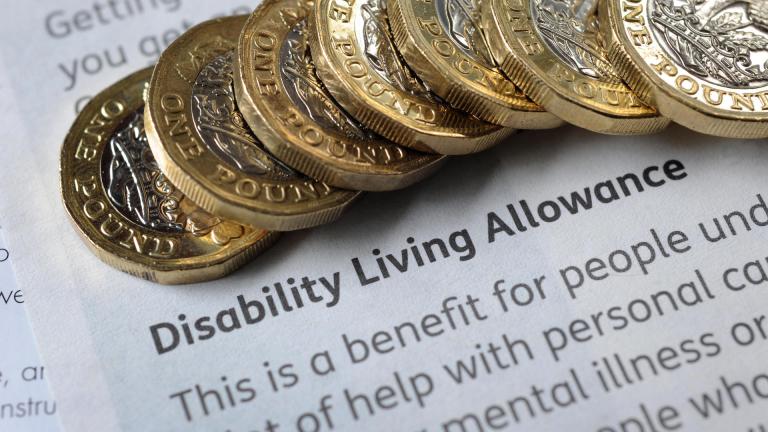
The basic level of UC for somebody under the age of 25 is around £300 a month. With the additional health element, Kat receives £700 plus £400 in PIP. Young people unable to make it through the process face surviving on the minimum rate.
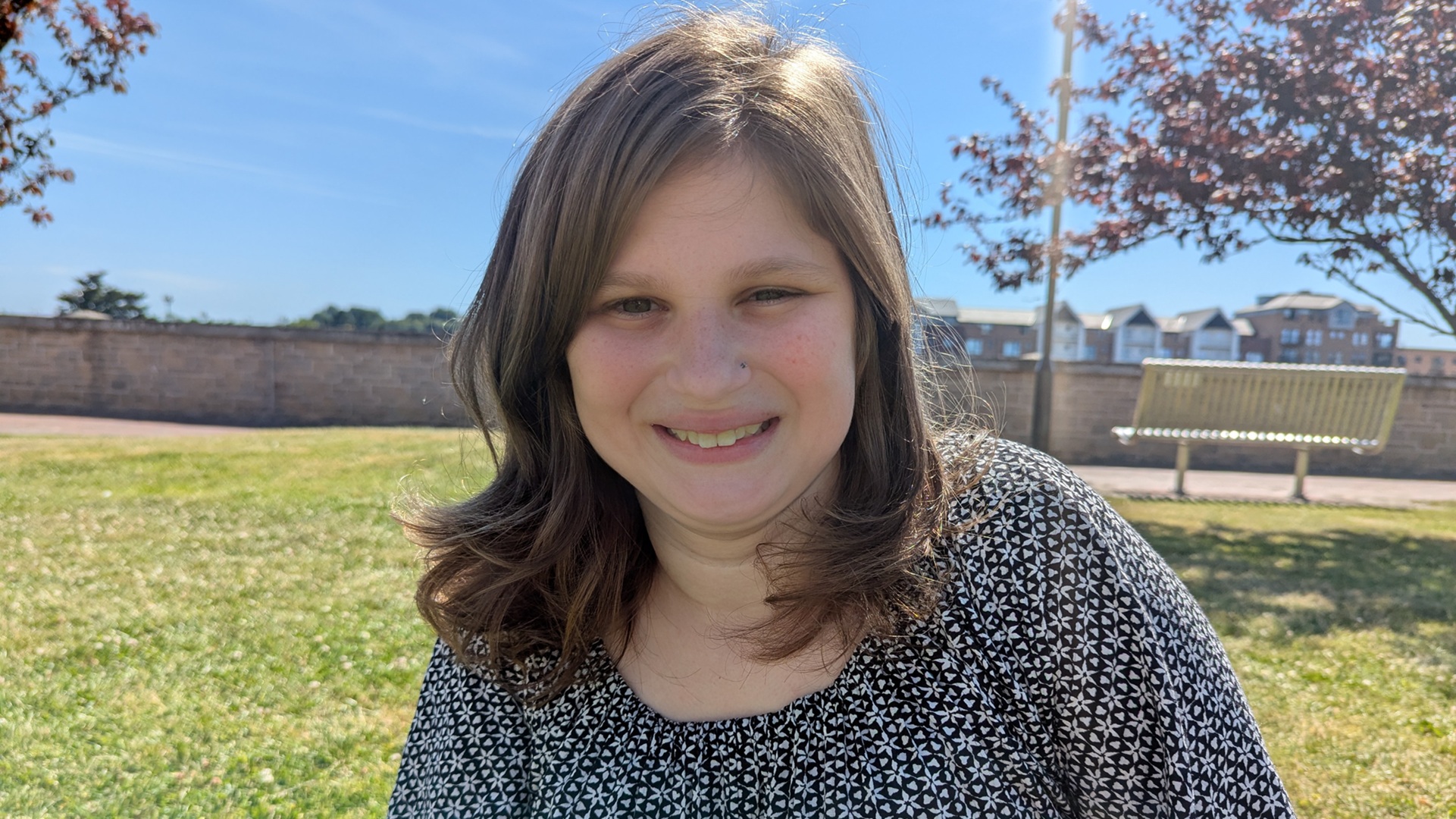
“I used to be like that,” says Kat. “Us young people hardly know how to budget money. Our brains are still developing which means we haven’t learnt all the budgeting skills. With a limited amount of money, it’s stressful. You think: ‘Oh God, I haven’t got enough for food or bills.’ With the amount people under 25 get, it makes it even more draining. For us with disabilities, it makes us feel deserted.”
Young people receive less in benefits because of a misconceived notion that they can rely on family support. It is assumed that they have lower living costs and fewer financial obligations. Meanwhile, government policies are designed to push them into work rather than long-term welfare dependency.
Keep reading the journalism that powers our mission
Register free to continue and learn more about the stories, campaigns and the support we provide, helping people facing poverty across the UK.
Yet, for many, this is not the case. “That’s completely untrue.” says Kat. “My mum’s in prison, my dad’s in Scotland, I don’t speak to my foster carers anymore, social workers can only help so much. Not everyone has the help from mummy and daddy, and you shouldn’t be relying on your parents at that age anyway.
“I’m quite lucky, but sometimes I can be stuck in bed, my joints cease up, I can’t move, depression can be crippling.”
Expecting young people to tackle complex application processes while they are preoccupied with finding basic safety is counterproductive, Kat adds.
“If I wasn’t secure in where I was living, I would never have started the application for Open University,” says Kat. “If your home life isn’t settled you won’t be in the right mindset to do an apprenticeship or work, so your mental health would go down and you will end up in a big cycle.
“Before I was awarded the top-up, all that money went on my rent, so I just didn’t eat. Food banks are a great idea, but the issue is you can’t rock up there and if you don’t drive you have to get it home.
“Nobody at any age should have to choose between a roof over their head and food.”
Asked what she would like to say to work and pensions secretary Pat McFadden to help him to understand the realities for young disabled people claiming benefits today, Kat replies: “We should actually get more than somebody over 25 as we have an increased likelihood of being single so only one income to pay for everything.
“They say it’s all about equality these days, but when it comes to benefits it’s not. Money should be going into helping us with life skills, writing CVs – not apprenticeships that might not be a possibility for most people.
“It’s not about what they want, it’s what they need. You need electricity, you need food, you need somewhere safe to live and feel settled. There should be more resources to help get people slowly into work. I think they should have PIP professionals in every UC office to support people and ease them into work.”
Read more:
What advice would Kat give somebody who knows that the process is going to be more challenging and the payments are getting smaller – specifically those who might not realize the severe reality of living on £50 a week?
“I would suggest, get a support system around you, whether it’s community, doctors, friends and family or somebody who has filled out a PIP form before and then if you are unsuccessful you have to choose between paying rent or food so obviously, they must choose rent and see if somebody from that support system can help with other things,” Kat says.
James Taylor, director of strategy at disability equality charity Scope, warned that changes to health-related benefits will be catastrophic for young people. He says: “Young disabled people are already on a financial knife edge. The health element of universal credit has been halved for new claimants, and this will push disabled people into poverty and force choices between rent, bills, food and other essentials.
“Life costs more when you’re disabled. Any further cuts to disability benefits won’t help young disabled people into work. The government should listen to them and build a welfare system that tackles real barriers, not one that makes life even harder.”
A spokesperson for the DWP said: “We want to see the potential of young people up and down this country fully realised, whether that be through education, training or work.
“We are pushing ahead with the biggest youth employment reforms in a generation to create almost a million opportunities for young people, boosting skills through our Youth Guarantee, backed by a £2.5 billion investment and supporting 300,000 disabled people through our Connect to Work programme to help more people into work.”
Do you have a story to tell or opinions to share about this? Get in touch and tell us more.
Change a vendor’s life.
Buy from your local Big Issue vendor every week – and always take the magazine. It’s how vendors earn with dignity and move forward.
You can also support online:
Subscribe to the magazine or support our work with a monthly gift. Your support helps vendors earn, learn and thrive while strengthening our frontline services.
Thank you for standing with Big Issue vendors.