Meet the parents struggling to find summer holiday clubs for disabled children: ‘They miss out’
Only 6% of disabled children (76,623) across the country are currently able to access holiday club support, new research has revealed.
by:
14 Jul 2026
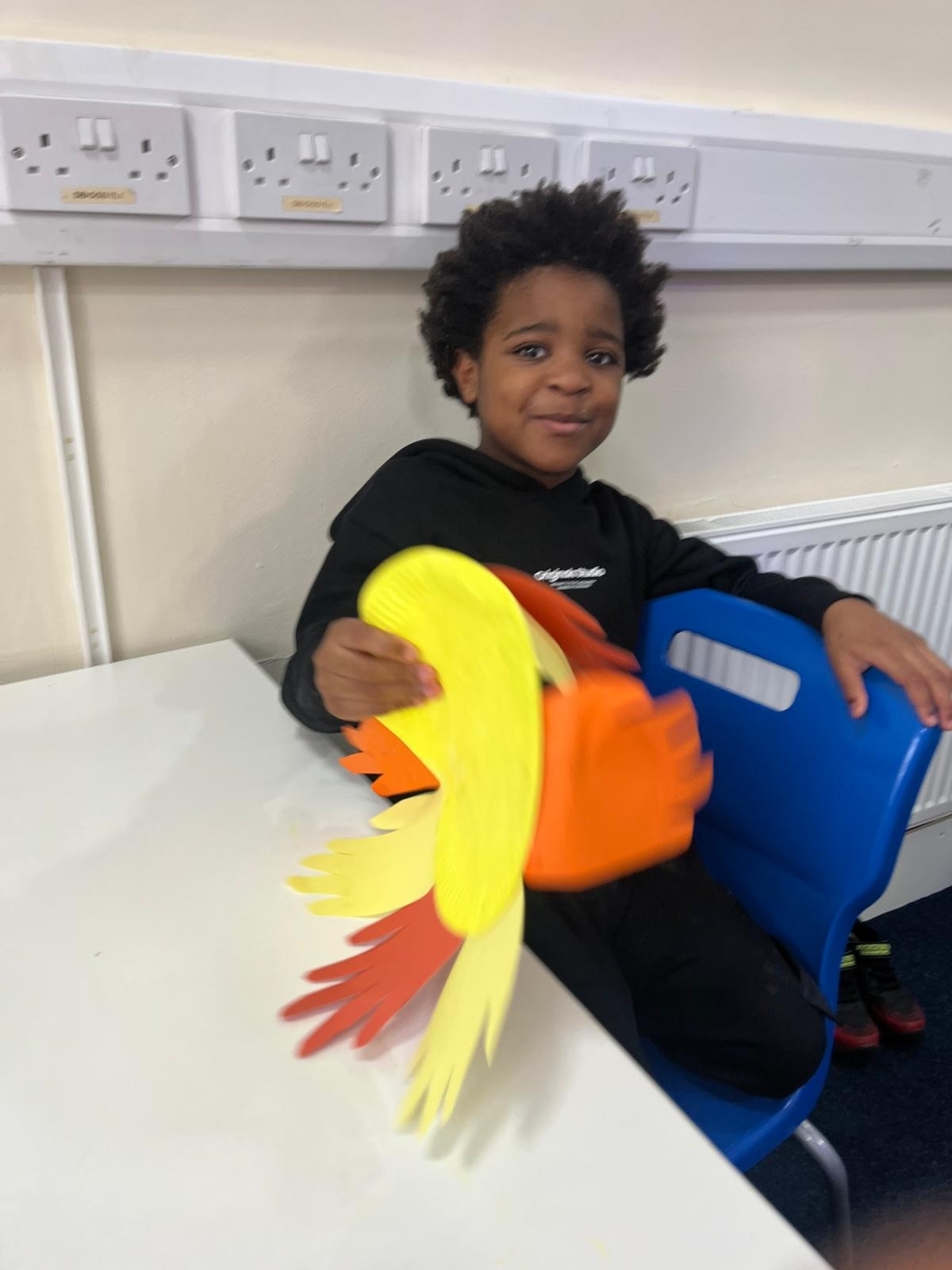
Azuriah at an activity with his mum, Natalie. Credit: Supplied.
Share
For a lot of kids, the summer holidays are the highlight of the year. Not for eight-year-old Azuriah.
The “smiley and bubbly” little boy is autistic, non-verbal and has global development delay. When school stops, “it’s a time of regression,” mum Natalie Thompson explains.
“He doesn’t have anything that is stretching his mind, because we don’t have the resource to keep him active,” she told Big Issue. “There’s only so much the garden can offer, there’s only so much home can offer.”
But there’s nowhere else for Azuriah to go. Only 6% of disabled children (76,623) across the country are currently able to access holiday club support, new research has revealed.
One in 10 local authorities commissioned no holiday clubs at all for disabled children, leaving 61,415 children without any support over the long break.
As a result, around 89% of disabled children who may have access to some council support aren’t able to use it. Provision is patchy or unable to meet the complex needs of many children – which means thousands of disabled children are missing out on the opportunity to “have fun and learn new skills”, said Harriet Edwards, director of influencing at Sense. Parents are struggling too.
Advertising helps fund Big Issue’s mission to end poverty
Advertisement
“This stark postcode lottery is failing families,” she said. “Parents are being forced to cut their working hours, leave their jobs or pay for expensive alternatives because the support they need isn’t there.”
Thompson works part-time as a freelance human resources adviser. But she’s a single parent and during the holidays has to cut her hours to “almost zero” to provide one-on-one care for her son.
The financial consequences are “really scary”.
Keep reading the journalism that powers our mission
Register free to continue and learn more about the stories, campaigns and the support we provide, helping people facing poverty across the UK.
“Now it’s just a case of this kind of anxiety and dread,” she said. “Do I have enough groceries? Do I have enough petrol? What’s the lifespan of my appliances? I know I’ve got probably two months left on my washing machine. And during this six weeks, I’m going to need that washing machine like four times as much as I usually would.”
Sense surveyed 1,000 parent carers of disabled children and found that more than half (57%) struggle to access holiday clubs. A third (32%) said the lack of accessible provision had negatively affected their finances, while one in three of those hit financially had reduced their working hours and almost one in five (16%) had left work altogether. Another third (34%) said the difficulties had damaged their mental health.
Other options are limited, said Thompson.
Azuriah. Image: Sense
“In our area, many clubs will only take disabled children if they can be cared for in a group of three with one adult. That doesn’t work for Azuriah,” she said.
“Private holiday clubs that could meet his needs cost £100 to £140 a day, which I can’t afford.”
Last summer, Thompson had no weekday childcare or respite at all after missing out on a place at an oversubscribed charity-run holiday club. This year, she dipped into her savings in May to secure two four-hour sessions a week for Azuriah, paying £80 upfront for each.
“It makes a huge difference in his development,” she said. “Like, in learning disability week alone, he had the privilege of dancing with a breakdancer. How could I give him something like that at home?
“The difference to him developmentally is priceless to me. It allows me to go away and make some money, but also to see him thrive rather than regress.”
It’s a similar story for Melissa and Andrew Mould, parents to six-year-old twins, Frankie and Otis.
Frankie has cerebral palsy and uses a wheelchair full-time, while Otis is not disabled. While there are endless holiday club options for Otis, there is “nothing obvious” that Frankie can go to.
“You have to find something unsuitable for Frankie and think of ways we can make it suitable, which always comes with huge added costs,” said Melissa. “Or call upon favours with family or friends. Or take unpaid leave from work.”
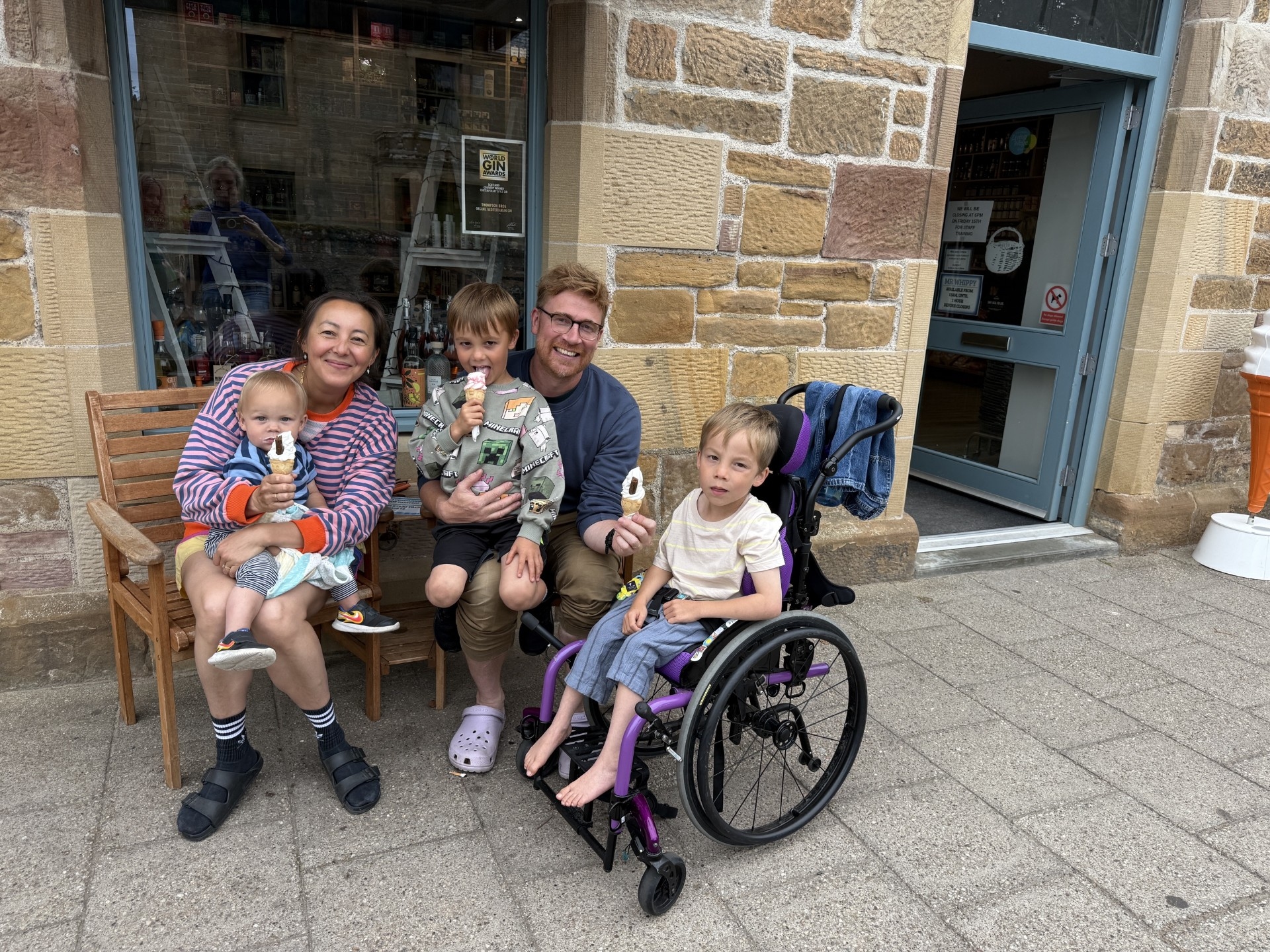
Melissa with Andrew with their twins Otis and Frankie. Image: Sense
Holiday clubs cost around £50 per day for Otis. But the price for Frankie attending a club with an adult to support him is around £178 per day.
“For me, the biggest thing that needs to change is that support should be based on a child’s need,” Melissa said. “It shouldn’t depend on what borough you happen to live in.”
Every disabled child is entitled to an assessment for children’s social care support, which can include funding to access holiday clubs and childcare. But local authorities interpret their duties differently and the threshold for support varies.
The charity is calling on the next prime minister to implement recommendations from the Law Commission for a new national framework for disabled children’s social care, including national guidance and eligibility criteria, to ensure support is based on children’s needs rather than where they live.
“Every child deserves the chance to spend the summer with friends, learning new skills and having fun,” Edwards said. “Yet too many disabled children are missing out simply because accessible holiday clubs aren’t available where they live.”
Buy from your local Big Issue vendor every week – and always take the magazine. It’s how vendors earn with dignity and move forward.
You can also support online: Subscribe to the magazine or support our work with a monthly gift. Your support helps vendors earn, learn and thrive while strengthening our frontline services.
Thank you for standing with Big Issue vendors.
Advertising helps fund Big Issue’s mission to end poverty