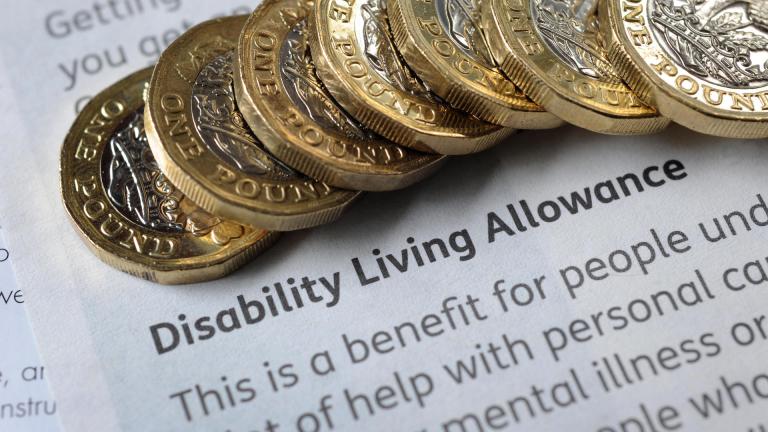
The DWP’s reforms have changed the way housing benefit is calculated so that it aligns with universal credit.
Prime minister Andy Burnham said: “People should never have to choose between keeping a roof over their head or being able to work. But the system has been rigged against some of the very people trying their hardest to get on, particularly young people starting out, who are being left worse off for earning more.
“We’re putting that right through a common-sense change that will help people keep more of what they earn. This is what progressive welfare reform looks like: helping people into work and giving families the security and breathing space they need to get on. That’s how we make Britain better off.”
Keep reading the journalism that powers our mission
Register free to continue and learn more about the stories, campaigns and the support we provide, helping people facing poverty across the UK.
It is set to help 325,000 residents in supported housing and temporary accommodation, the DWP estimates.
This includes 50,000 young people starting out in employment, which is particularly important given that almost one million young people are not in employment, education or training (NEET).
Seyi Obakin, chief executive officer at Centrepoint said: “This is a landmark win for young people, and we commend the government for getting this change over the line. For too long young people in supported housing, particularly those at the start of their careers, have had their ambitions blocked by a system that punished them for working harder.”
Obakin said that young people who use Centrepoint’s services often say they feel “trapped”, unable to increase their hours, change jobs or build savings.
“The changes will mean most young people will not experience the stark financial cliff edge they once faced, Obakin added.
“Young people will be free to take on more work, chase their career goals and build the futures they want. This is what it looks like when the system works for young people, and we are hugely grateful to everyone who made it happen.”
The government has made a commitment “to move from a welfare state to a working state”, to bring down the welfare bill and support more people into work.
This is a way of incentivising people into employment by offering more support – not cutting their benefits.
Sir Stephen Timms, minister for social security and disability, said: “For too long, the system has been doing the opposite of what it should: it discouraged some of the most vulnerable residents from working rather than helping them into jobs.
“We’re putting that right, so that residents keep more of their earnings, and so that working more hours leaves people better off than staying on benefits.
“This is a promise from our autumn budget now being put into action, and it’s part of a much bigger effort to overhaul a welfare system that has trapped too many people in dependency for too long. We’re building a system that rewards work and lets people hold on to more of what they earn, while continuing to protect those who need it most.”
Jamie-Lee Cole, strategic communications lead for Welsh homelessness charity The Wallich, added: “This is a great example of policy which tackles an unintended problem with the benefits system and will help more people out of poverty. Supporting people into good, well-paying work is one sustainable way out homelessness and we’ve seen over the years how people in supported or temporary housing – people who were ready and were able to be in the workplace – the benefits system sometimes worked against them.
“We felt that the policy was more than hindrance than a help for many, setting some people up to fail, keeping them in limbo. We’re so pleased that this will no longer be the case, people we support can feel more positive about moving forward, increasing economic prospects and a better future for many people who were stuck in the system.”
Do you have a story to tell or opinions to share about this? Get in touch and tell us more.
Change a vendor’s life.
Buy from your local Big Issue vendor every week – and always take the magazine. It’s how vendors earn with dignity and move forward.
You can also support online:
Subscribe to the magazine or support our work with a monthly gift. Your support helps vendors earn, learn and thrive while strengthening our frontline services.