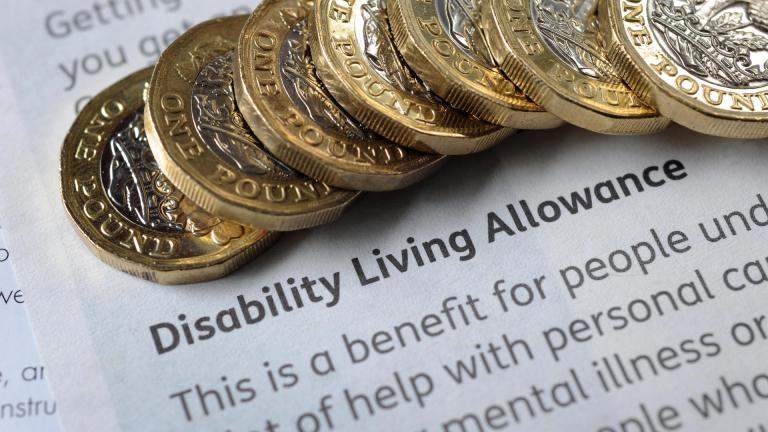
There is almost universal agreement that the system needs reforming, but is cutting support from some of the most vulnerable people in the country the way to do it?
The review by disability and social security minister Stephen Timms and co-produced with disabled people and the organisations that support them, dubbed the Timms Review, has called for the system to be made more compassionate.
“Whilst many people support the purpose of PIP, they also said that the current system is no longer fit for purpose,” the review states. “The evidence heard by this review highlighted persistent concerns about people’s experience of claiming and receiving PIP. Many described the application, assessment, review and appeals processes as complex, hard to navigate, burdensome and, at times, dehumanising.”
Keep reading the journalism that powers our mission
Register free to continue and learn more about the stories, campaigns and the support we provide, helping people facing poverty across the UK.
Last year, Keir Starmer’s government laid out plans to slash personal independence payment (PIP), which is a key disability benefit. But ministers were forced to U-turn after significant backlash from Labour MPs, and any changes to PIP were put on hold until Timms could carry out his review.
It means that disability benefit claimants have had some months of relief without the threats of cuts.
That was until last week, when another major government-commissioned review, the Milburn Review into youth unemployment, proposed that PIP and the health element of universal credit be cut completely for people under the age of 25.
Instead, young people would be able to apply for a youth allowance in universal credit or apply for one-off payments to help cover the cost of their disability and health conditions. It would result in some people getting less support while others may receive more.
The aim of this plan, which was widely reported and received backing from ministers, is to encourage more young people into work.
But the Timms Review argues that PIP should be protected for people of all ages.
At the core of its recommendations, it states, is that “PIP should continue to provide a cash award, and remain a non-means-tested, non-taxable benefit available to people both in and out of work, with an improved process that ensures the right support goes to the people who need it”.
It says that the cash benefit should remain and come in addition to support and services delivered in local communities. These would include signposting to education, employment and peer support schemes, or referring people to health and social care services.
“This position applies both to the system people experience today, and to our call for a reformed benefit for the future,” the report adds.
The recommendations in the Timms Review have been welcomed by charities.
Harriet Edwards, director of influencing at disability charity Sense said: “We urgently need a benefits system that treats disabled people with dignity and respect. As a charity that works alongside disabled people with complex needs, we know that too many disabled people are currently forced through dehumanising assessments and left fighting for the financial support they need.”
PIP is not a benefit intended to support people who are out of work – people can be working and claim PIP. Instead, it is meant to cover the extra costs of a disability or health condition. This can include medical therapies and equipment, the extra cost of energy bills to power equipment or keep the heating on for health reasons, or the costs of transport when more affordable options are inaccessible.
Charity Scope estimates that disabled people need an extra £1,095 each month on average to reach the same standard of living as non-disabled people.
“Disability benefits are a lifeline, not a luxury. For disabled people with complex needs and their families, this support is essential to meeting the unavoidable extra costs disabled people face, from higher energy bills to everyday essentials, and enabling people to live independently,” said Edwards.
“As the government considers the findings of the Milburn Review and the Timms Review, one principle must be non-negotiable: no disabled person with complex needs or their family should be left financially worse off by welfare reform.”
The Timms Review also recommends that the government reduce unnecessary award reviews for people with lifelong or degenerative conditions, which is one of two recommendations to which that the government has already committed.
Ross Barrett, senior policy manager at the MS Society, says: “For too long, people with MS have faced a broken PIP system and have been left feeling unseen, unheard and forced to fight for the support they need. Today, people with MS have finally been listened to. MS is debilitating, exhausting and unpredictable, and the Timms Review’s proposed changes would tackle some of the most significant issues with the process for people with fluctuating, progressive, and incurable conditions.
“If put in place, these vital changes would improve how fluctuating symptoms are assessed, reduce stressful and unnecessary reassessments, and make the system fairer and more compassionate for all. Now is the biggest opportunity to fix PIP since it was introduced, and create a welfare system based on fairness, dignity and respect. The government must have the moral conviction to take this opportunity and implement these positive recommendations as soon as possible.”
Timms confirmed that the government has also committed to introducing a fast-track route for people with severe, well-evidenced and those nearing the end of life.
However, the government is yet to commit to the review’s other recommendations, which Timms claims it will consider.
Other recommendations include improving the quality and fairness of the PIP assessment process and making it more accessible, reviewing how supporting evidence is used, and making the language and tone of Department for Work and Pensions (DWP) communications more respectful and easier to understand.
Charities and disability campaigners have long argued that disability benefit cuts could cost the government by harming people’s physical and mental health, heaping greater pressure onto the NHS and social services.
Instead of cutting disability benefits, they argue that the government should cut NHS waiting lists, tackle poverty, and invest in public services which will support people’s health. By boosting the nation’s health, people will be less reliant on the welfare system for their survival.
Alexa Knight, director of policy and influencing at the Mental Health Foundation, said: “People living with disabilities and long-term health conditions are already at greater risk of poor mental health and financial insecurity. The government must avoid rushed cuts or cliff-edge changes that leave people without vital support, a clear route to challenge decisions, or access to help when they need it.
“Clear communication will be critical. The benefits application process already provokes a lot of anxiety in people. And the uncertainty surrounding these proposals is likely to already be affecting people’s mental health. Government departments must communicate directly with everyone affected, take individual circumstances into account, and ensure transitional protections are in place.
“No one receiving PIP should be pushed into deeper poverty as a result of these changes, even in the short term. The consequences for individuals and their families can be devastating if support is removed before suitable alternatives are in place.”
The government said it will now consider the Timms Review’s wider recommendations, alongside the Milburn Review, and set out a response in the coming weeks before releasing a white paper in the new year to outline reforms.
Do you have a story to tell or opinions to share about this? Get in touch and tell us more.
Change a vendor’s life.
Buy from your local Big Issue vendor every week – and always take the magazine. It’s how vendors earn with dignity and move forward.
You can also support online:
Subscribe to the magazine or support our work with a monthly gift. Your support helps vendors earn, learn and thrive while strengthening our frontline services.
Thank you for standing with Big Issue vendors.