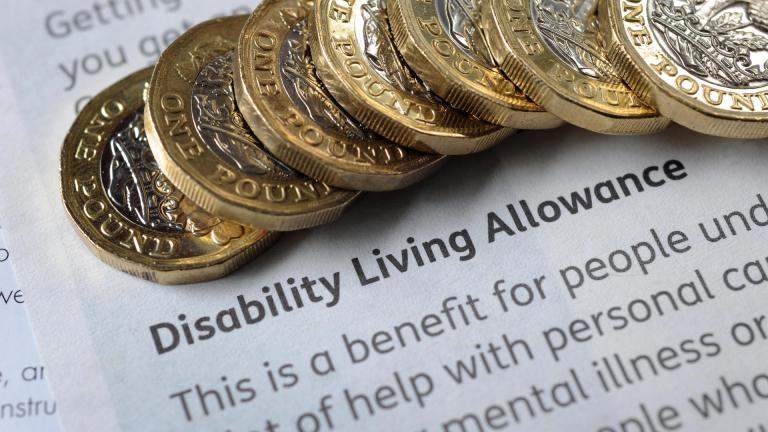
PIP is not an out-of-work benefit. It exists to help with the additional costs of living with a disability. For some, that support can make the difference between remaining in employment and having to leave it, between maintaining independence and becoming increasingly isolated. Yet the invisible and fluctuating nature of MS can make accessing that support particularly challenging.
Daniel, a member of our community, described how living in a first-floor flat was seemingly taken as evidence of being physically capable during a PIP assessment. “Some days getting up the stairs to my first floor flat takes forever, it’s painful and I have to basically pull myself up them using the banister.” Charlie received zero points.
Fran, who was diagnosed with MS at 30, was awarded the standard daily living component of PIP but refused mobility support, despite experiencing difficulties with walking, standing, pain and weakness. “People see me going to work, attending appointments and getting on with life, but they don’t see the exhaustion, pain or recovery time that often follows.” We shouldn’t be penalised for finding ways to adapt to our disabilities or for trying to maintain our independence.
Keep reading the journalism that powers our mission
Register free to continue and learn more about the stories, campaigns and the support we provide, helping people facing poverty across the UK.
There’s also an emotional cost. Molly, another member of our community, described completing her PIP application as a second diagnosis. “I’d got so use to finding ways around the things MS had changed, that I hadn’t stopped to count them until the PIP form asked me to.” After completing the application, Molly and her mum returned to their car, sat in silence, and cried. “None of us chose to be in that room. We were there to ask for help. There should be help for that part, too.”
I can relate to these experiences personally. I applied for PIP several years ago when I was struggling financially and experiencing MS flare-ups that significantly impacted my daily life. I scored zero points and have never applied again. The experience left me feeling scarred and questioning whether I was disabled enough to deserve support. I still find myself thinking that others are more deserving, and I wonder how many other young disabled people feel the same.
The Timms Review offers an opportunity to address these challenges. Reducing unnecessary reassessments and introducing faster access for people with severe, well-evidenced conditions could be important steps forward. For the MS community, the wider proposals around better recognising fluctuating symptoms, simplifying applications, and improving assessments are also particularly significant.
A system that better understands the realities of living with MS could help young people access support earlier, manage their health more effectively, and continue building the lives they want. However, much will depend on which recommendations are implemented and how.
At MS Together, we encourage young people to recognise that they are so much more than their diagnosis. We want them to feel empowered to pursue their ambitions, whatever those might look like.
Whether that’s working, volunteering, raising a family, maintaining friendships, or simply having enough energy to enjoy life, disabled people deserve the opportunity to participate in society on their own terms. And the success of the Timms Review should ultimately be measured by whether it makes that possible.
Amy Thompson is the founder and CEO of MS Together
Do you have a story to tell or opinions to share about this? Get in touch and tell us more.
Change a vendor’s life.
Buy from your local Big Issue vendor every week – and always take the magazine. It’s how vendors earn with dignity and move forward.
You can also support online:
Subscribe to the magazine or support our work with a monthly gift. Your support helps vendors earn, learn and thrive while strengthening our frontline services.
Thank you for standing with Big Issue vendors.