The crisis is most acute for those on the lowest incomes, whose last resort is most often electric heating.
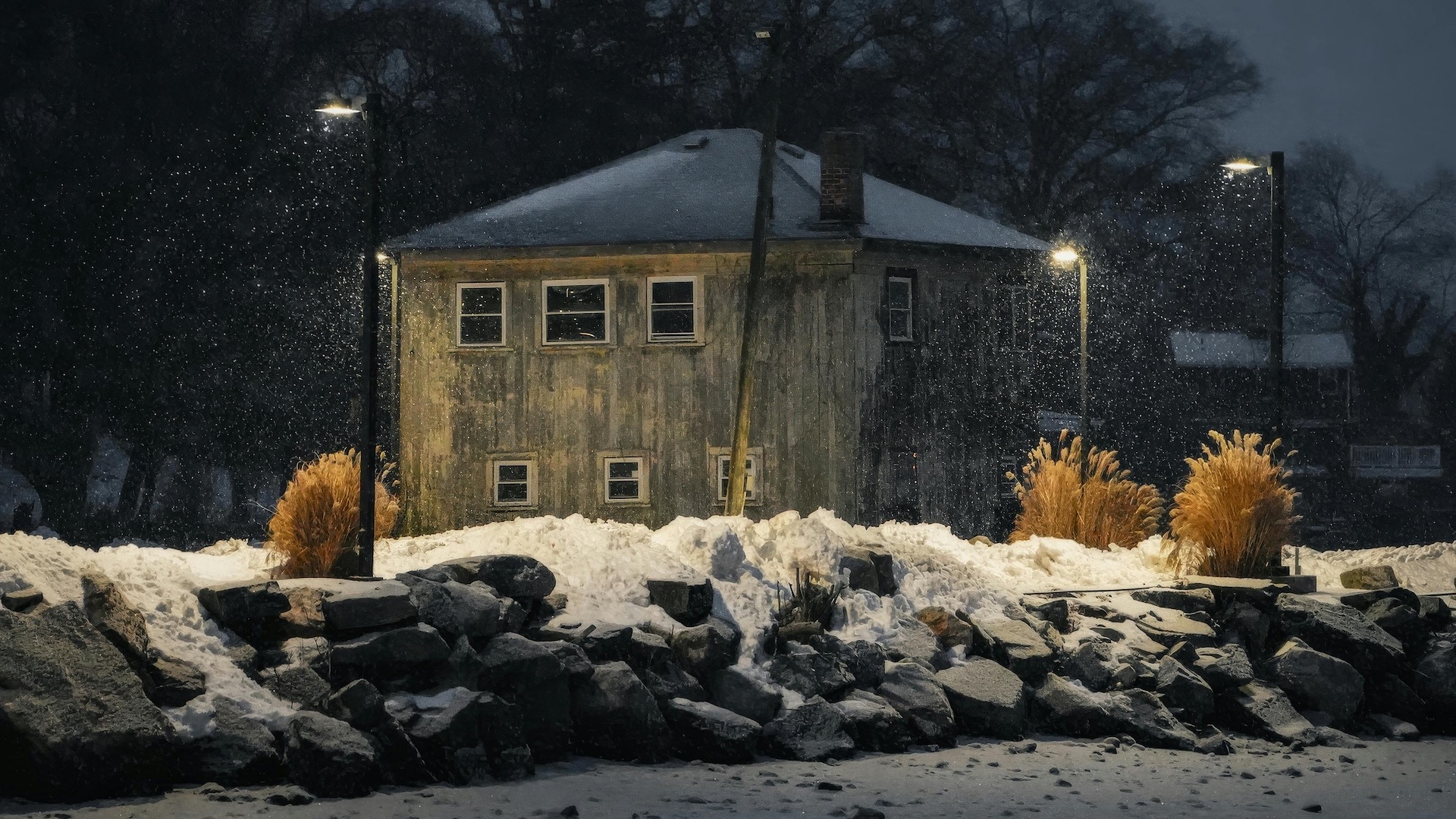
In freezing conditions, people are forced to live in a single room with one electric heater, often turning off the gas and rationing warmth to survive.
High electricity prices mean households are pushed into impossible choices between heating and eating, with around 250,000 homes identified as particularly vulnerable.
That is a political failure, not a technical one.
Today, making electricity cheaper is not a green ambition; it is a public health necessity. After months of foot dragging, the government’s new fuel poverty strategy will hopefully be announced alongside the Warm Homes Plan sometime this month.
The challenge ahead is to bring electricity bills down in a way that protects the poorest households. Electric heating has become the safety net of the fuel poor, yet it remains the most expensive way to heat a home.
Advertising helps fund Big Issue’s mission to end poverty
The government already has a range of options at its disposal. The most straight forward is to move more costs onto general taxation rather than bills, an option which may also involve greater political risk.
More straight forward could be tackling the UK’s £4.4 billion energy debt (1,133,683 electricity customers and 926,545 gas customers are now in debt), a burden that adds around £70 a year to bills each year.
But, perhaps it is also time to clarify a role of the newly created GB Energy, which could become market investment vehicle that would stabilise prices and reduce profiteering in energy trading.
None of the options will be speedy. With the 2026 now threatening heightened alarm around energy sovereignty, the option of continuing reliance on gas is only likely to deepen the problem, with the world facing increased geopolitical tensions, with more despots and volatile markets.
Those living in cold and damp homes are also significantly more likely to face carbon monoxide risks, exposing a deadly intersection between poverty, poor housing, and gas dependence.
In badly maintained or poorly ventilated homes, particularly in the private rented sector, serious safety hazards go unreported, leaving vulnerable households exposed to an invisible killer.
Advertising helps fund Big Issue’s mission to end poverty
No one expects an overnight fix. But we do expect a plan, and reassurance that the suffering of the past five winters will not be repeated.
Right now, in the middle of a bitter winter, that reassurance must come soon.
Simon Francis is the coordinator of the End Fuel Poverty Coalition.
Do you have a story to tell or opinions to share about this? Get in touch and tell us more.
Change a vendor’s life this winter.
Buy from your local Big Issue vendor every week – and always take the magazine. It’s how vendors earn with dignity and how we fund our work to end poverty.
Advertising helps fund Big Issue’s mission to end poverty
You can also support online with a vendor support kit or a magazine subscription. Thank you for standing with Big Issue vendors.