Advertisement
Opinion

More Brits are taking on credit card debt to deal with the cost of living. Here’s how to get help

Debt charity StepChange has revealed that more people are taking on credit card debt. Here’s why it it is happening and what needs to change

Credit cards are by far the most commonly used, traditional form of borrowing, particularly for our clients at StepChange – throughout our 32 years supporting people with debt problems, they have always been the most common debt type that we see.

But just because they’ve always been there doesn’t mean they aren’t a problem. In fact, we’ve seen a slight rise in credit card debt this year – which is now held by three in four (73%) StepChange clients, up from 67% a year ago. This begs the question of how much the never-ending pressures of the cost of living is pushing people to borrow more, and what more can be done by the government, regulator and credit card firms to help those who fall behind. 

New research we commissioned with YouGov reveals that around eight million adults in the UK find keeping up with their credit card repayments a large burden every month, while around five million have recently used a credit card to pay for essential household bills like food, energy or fuel. 

Read more:

What we often see at StepChange is that people will be using a credit card, managing the repayments fine, but then something throws them off track. Perhaps they lose their job, a relationship breaks down or a large expense eats up their disposable income or savings. These unpredictable moments in someone’s life highlight an issue with the way credit card products are designed and lent to customers. People may have been in a good position to borrow when they took out the credit card, but these revolving credit agreements last for years, when someone’s financial circumstances change, they are often left struggling – or only meeting the very low minimum repayments so interest and charges quickly mount up.

An example of this kind of situation comes from our client Josh (whose name has been changed), who had a stable job and managed well using 0% credit cards to sometimes cover one off large expenses, like a new boiler, knowing he had the income to comfortably afford repayments. However, a year into starting at a new company, he was made redundant and found himself having difficulty meeting repayments, relying on balance transfers from card to card. He managed to keep up with other bills, but the difficulties saw him build up £36,000 of credit card debt

Advertising helps fund Big Issue’s mission to end poverty
Advertisement

Josh’s situation is not unique, and thankfully he did get good support when he contacted his creditors, one of which referred him to StepChange. But there was a long period where Josh was struggling after being made redundant, and this is the point where quicker action from credit card providers could be useful for customers. 

Financial Conduct Authority (FCA) rules say that when customers become stuck in long-term credit card debt -what the FCA calls persistent debt -lenders must notify customers after 18 months and offer them support and intervene after 36 months (three years) moving customers that cannot increase repayments to clear the debt to an affordable paydown plan. Yet situations like Josh’s show how beneficial quicker intervention could be. 

In light of years of cost of living pressures, it’s also an opportune moment to check whether minimum repayments on credit cards are fit for purpose to prevent expensive long-term debt building up in the first place. This, alongside strengthening affordability checks to prevent lending to people who cannot repay even when they take out the card are areas where we’d like to see the FCA take action. 

More generally, with a new prime minister in place and a fresh commitment to tackle the cost of living, government must consider addressing why so many people are relying on expensive credit cards to make ends meet, and scale up more affordable credit options for those who need it.

For anyone who is struggling to meet their credit card repayments, it’s never too early to seek support. Your lender will be able to offer guidance, and help you clear the debt in a sustainable way. Charities like StepChange are always here to offer free and impartial advice, whether that’s just going through your options or recommending a path forward to get back on track.

Vikki Brownridge is CEO of StepChange Debt Charity.

Do you have a story to tell or opinions to share about this? Get in touch and tell us more

Change a vendor’s life.

Buy from your local Big Issue vendor every week – and always take the magazine. It’s how vendors earn with dignity and move forward.

You can also support online:
Subscribe to the magazine or support our work with a monthly gift. Your support helps vendors earn, learn and thrive while strengthening our frontline services.

Thank you for standing with Big Issue vendors.

Advertising helps fund Big Issue’s mission to end poverty

Do you know how Big Issue 'really' works?

Watch this simple explanation.

Recommended for you

Read All
Amelia Dimoldenberg: How can young people thrive if there are no places left for them to grow?
Amelia Dimoldenberg
Amelia Dimoldenberg

Amelia Dimoldenberg: How can young people thrive if there are no places left for them to grow?

I founded a homelessness charity 10 years ago. These are the moments that kept me going
Louise Reed hugging a man facing homelessness in Leeds
Louise Reed

I founded a homelessness charity 10 years ago. These are the moments that kept me going

Britain needs a new system to tackle homelessness. Here's how Andy Burnham can change it
Prime minister Andy Burnham outside 10 Downing Street
Ligia Teixeira

Britain needs a new system to tackle homelessness. Here's how Andy Burnham can change it

Remembering Jimmy Cricket, and the song he wrote for Big Issue
Steven MacKenzie

Remembering Jimmy Cricket, and the song he wrote for Big Issue

Most Popular

Read All
Renters pay their landlords' buy-to-let mortgages, so they should get a share of the profits
Renters: A mortgage lender's window advertising buy-to-let products
1.

Renters pay their landlords' buy-to-let mortgages, so they should get a share of the profits

Exclusive: Disabled people are 'set up to fail' by the DWP in target-driven disability benefits system, whistleblowers reveal
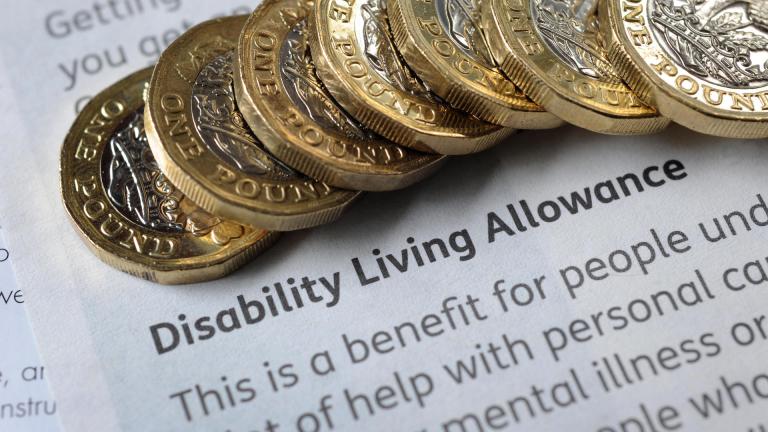
Pound coins on a piece of paper with disability living allowancve
2.

Exclusive: Disabled people are 'set up to fail' by the DWP in target-driven disability benefits system, whistleblowers reveal

Cost of living payments: Where to get help in 2025 now the scheme is over
next dwp cost of living payment 2023
3.

Cost of living payments: Where to get help in 2025 now the scheme is over

Citroën Ami: the tiny electric vehicle driving change with The Big Issue
4.

Citroën Ami: the tiny electric vehicle driving change with The Big Issue