Many of our powerful and influential leaders are scientifically illiterate, and there’s absolutely nothing wrong with that. In fact, to some extent, we should expect this to be the case because they need a whole range of other, very different, skills to get to where they are. Where problems arise is when they choose not to seek the counsel of those who do understand the science and what this implies.
But it gets worse. Not content with simply sticking their heads in the sand and ignoring the overwhelming body of evidence, some seek to rubbish the science through loud and regular outpourings of scaremongering disinformation. The danger, of course, is that making policy based on prejudice rather than facts does every one of us a disservice and condemns us and our children to a far more precarious future.
Almost 20 years ago, the film An Inconvenient Truth highlighted the impending risks of climate change. Two decades on and these truths are even more inconvenient, not just for our changing climate but also for the world’s embattled nature.
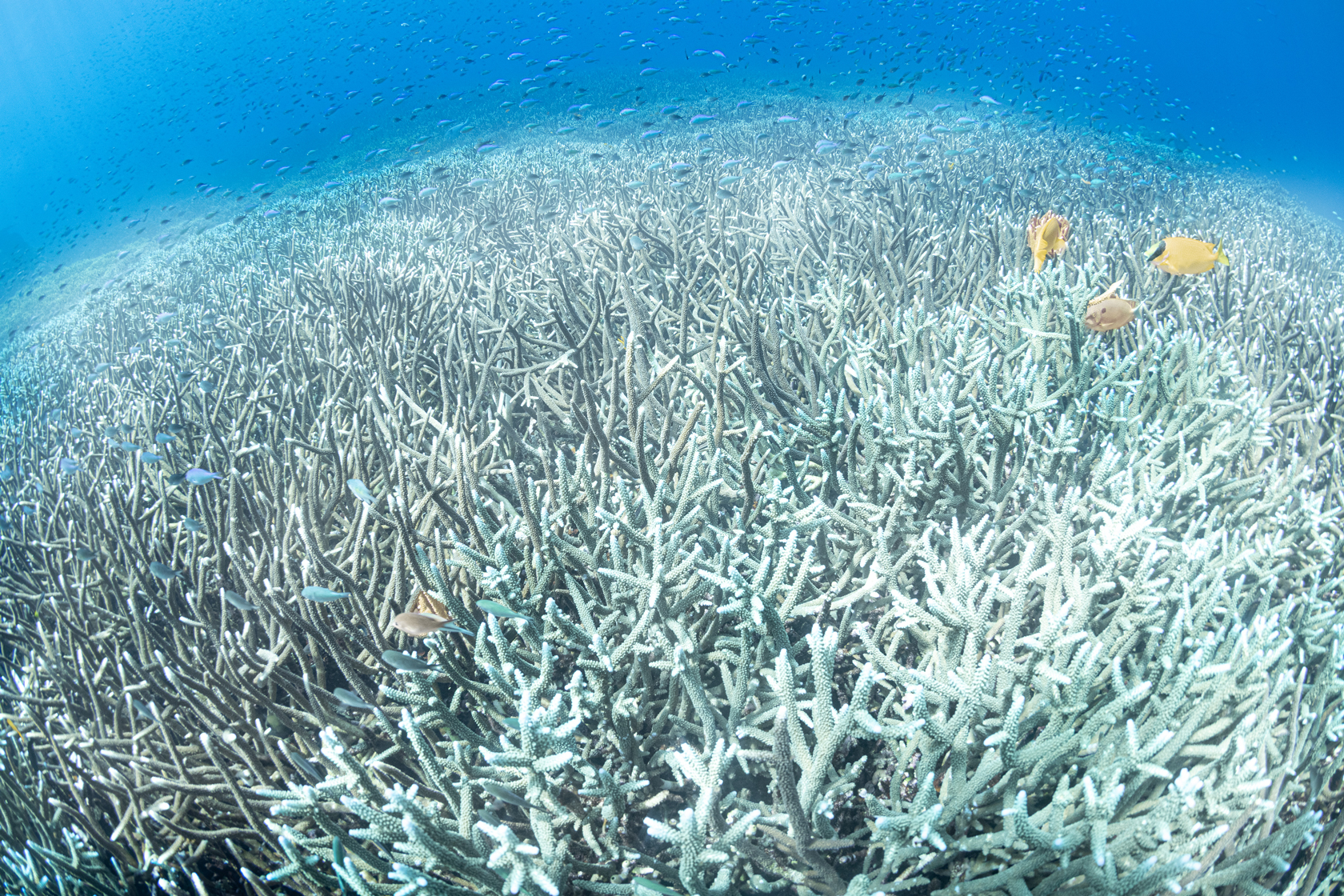
So let’s be clear. Climate change is categorically not a con-job; the wholesale hollowing out of nature’s richness is not some alarmist fake news. We can see the results of these changes all around us. Some are sudden and drastic, such as the world’s coral reefs going through devastating bouts of heat-induced bleaching that kills them. It is worth reminding ourselves that the first mass bleaching event only took place in the early 1980s – it simply wasn’t a thing before – but this is now the new normal.
Other changes are insidious and unnoticed. Take for example birds in the US – a nation with a love of nature and all the resources one could possibly wish for – where, well within my lifetime, the number of breeding birds has dropped by three billion, roughly equivalent to losing one in every four adult birds. Imagine how difficult the situation must be in those countries that don’t have the luxury of such fantastic resources. And, before you ask, the situation in the UK is not much better.
What I find slightly dispiriting about this constant drumbeat of negativity is that, while climate change will be hugely challenging, it should also be seen as an opportunity to do things differently – and better. In a real sense, climate change, for those with a little vision, can be good for business. And that is happening already, and we should both celebrate and build on this. In the UK, there was an estimated 690,900 full-time equivalents (FTEs) employed in green jobs in 2023. This is impressive but remarkably this is over 34% higher than it was just eight years earlier.