As much as it may seem otherwise looking at the world right now, international law is not really a pick-and-mix for governments to choose what they will and won’t follow – particularly when it comes to refugee and human rights law. For a government led by a former human rights barrister, the current UK administration appears not to have got this memo.
For years now, immigration and asylum policy has been more about political game-playing than practicality or legal process. This was demonstrated spectacularly by the former Conservative government’s attempts to send asylum seekers to Rwanda and then having to pass an act of parliament to declare that a country which was at war with its neighbour, used refugees as forced soldiers, previously had one of the highest poverty rates in the world, and faced significant human rights abuse allegations was, nonetheless, safe.
There isn’t, as the former Conservative Secretary of State for Northern Ireland, Brandon Lewis MP, once memorably told the House of Commons, a way to “break international law in a very specific and limited way”, without actually just breaking it. Yet that seems to be what Labour is determined to do.
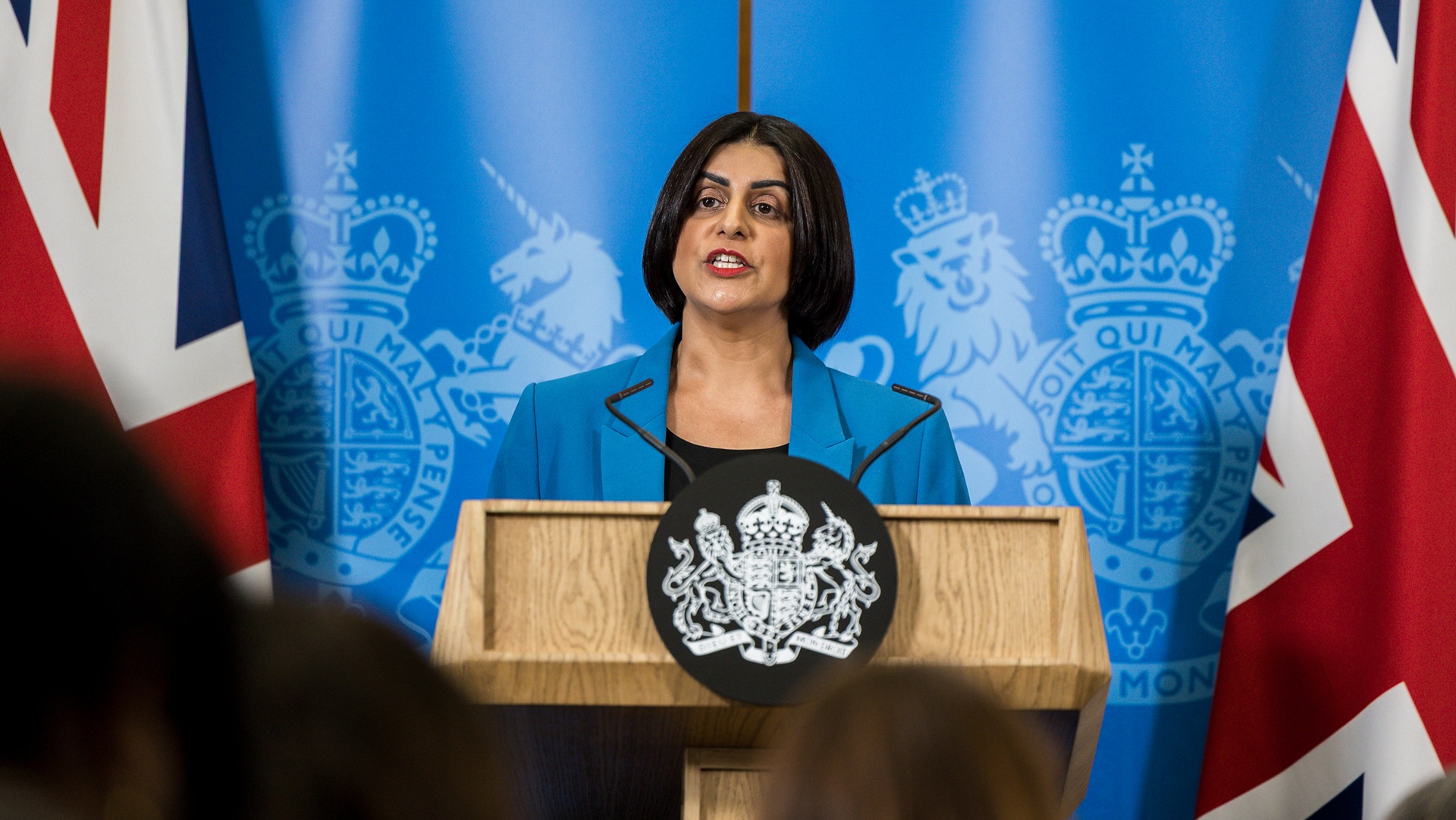
On Monday (2 March), the home secretary Shabana Mahmood announced that the government would make refugee status temporary, and make reapplying mandatory every two and a half years. On the face of it, along with a previous policy of denying citizenship to refugees depending on their manner of entry, this would appear to contravene article 34 of the Refugee Convention, which places a responsibility on the hosting nation to facilitate naturalisation of refugees.
The list of this government’s attacks on those seeking asylum is long, as are the ways in which these policies may violate both international and domestic law. The halting of family reunification, for example, is being challenged by Safe Passage as potentially contravening the Equality Act, and UN experts have warned that Labour’s one-in-one-out policy could violate human rights law.
The potential illegality of these policies is not an issue which this government seems overly concerned about. They are not making these policies to be legal, or even practical. We are already seeing the outcomes of policies such as ending existing resettlement routes. This forces more people into using dangerous irregular routes. These routes obviously take longer, so politically any government implementing policies which force people to use them can claim they are working when there is a temporary drop in asylum applications as people navigate them.