Another HSF fault line is confusion around how people with no recourse to publics funds (NPRF) can be supported. Added to this, 44% of recent HSF funding was used by local authorities to cover the cost of free school meal provision in the holidays. The Shaping the Future of Local Welfare and Crisis Support in England inquiry report outlines the importance of separate funding for this kind of help. The scale of free school meals expansion to all households on universal credit should crystallise the need for an alternative funding stream.
The word ‘resilience’ in the title of the new fund is key. Trussell’s A more resilient future – Rebuilding discretionary crisis support in England report outlines the need for the integration of ‘revitalised’ advice and support alongside the provision of cash payments. There’s no denying the reality that despite the paucity of social security payments, £23bn’s worth of support goes unclaimed.
In Scotland, we’ve seen how the Scottish Welfare Fund (SWF), accessed via cash payments and available in every Scottish local authority, has played a pivotal role within the Scottish government’s plan towards ending the need for food banks. Alongside calls for the SWF to be better funded, promoted, and accessed, the value of advice and support to maximise income has been highlighted in work across Scottish local authorities. The new Crisis and Resilience Fund could have an equally important place in England supporting the government’s ‘ambition to end mass dependence on emergency food parcels’.
Keep reading the journalism that powers our mission
Register free to continue and learn more about the stories, campaigns and the support we provide, helping people facing poverty across the UK.
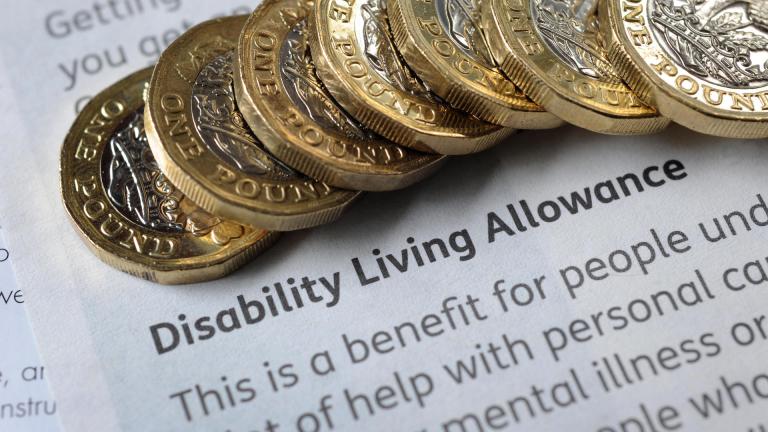
But time and time again, potential progress made in Scotland has been thwarted by the inadequacy of the UK social security system. The Scottish child payment may have made a dent in prospective child poverty figures, but the value of universal credit remains excruciatingly low. Meanwhile, sanctions, the five-week wait for a first universal credit payment, and no recourse to public funds status drive people into destitution the length and breadth of the UK. What’s more, planned cuts to disability benefits will undeniably make the situation far worse, driving yet more people into severe hardship.
Read more:
Another fly in the ointment is the announcement of £13 million for the redistribution of surplus food to ‘fight food poverty’. This scheme can only temporarily alleviate food poverty while further embedding food banks. The dangers of conflating of the food waste and food poverty problems are very real.
The increase in the national minimum wage, the new affordable housing boost, and the free school meals extension will, of course, make a difference. But, for the Crisis and Resilience Fund to carry weight, the government must go to the heart of the matter. It must tackle the root causes of poverty creating ‘permacrisis’ and the need for ‘resilience’ in the first place. And it must not drive yet more people into poverty through cuts to disability benefits as outlined in this week’s Universal Credit and Personal Independent Payment Bill.
The groundbreaking fund needs to be a better version of its predecessor. But, more than that, its establishment needs to lead to the reframing of the concept of crisis. Inadequate social security payments, cruel cuts to disability benefits, the two-child limit and the benefit cap shouldn’t create hunger emergencies. Our social security system should ensure we can all afford the essentials whatever our circumstances. Local authority crisis support schemes should help people weather unexpected storms far removed from a well-functioning UK-wide social security safety net.
Sabine Goodwin is director of the Independent Food Aid Network (IFAN).
Promises are easy to break. Sign Big Issue’s petition for a Poverty Zero law and help us make tackling poverty a legal requirement, not just a policy priority.
Do you have a story to tell or opinions to share about this? Get in touch and tell us more. Big Issue exists to give homeless and marginalised people the opportunity to earn an income. To support our work buy a copy of the magazine or get the app from the App Store or Google Play