You go to school, you go to university, you get a cushy office job in London or Manchester, you do exactly what you’re told to reach the final step, home ownership.
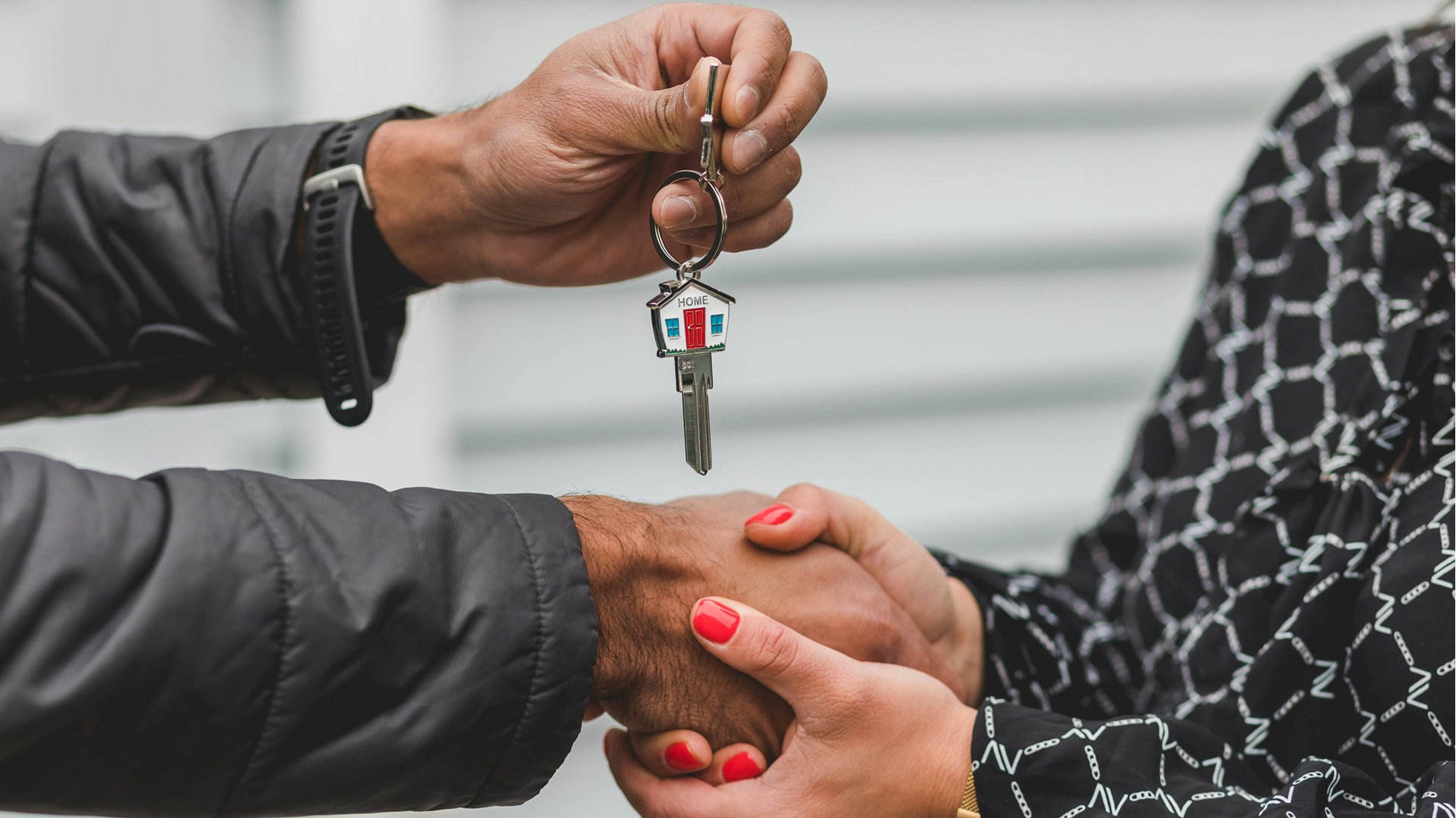
Because that’s the deal, right? Play by the rules, and eventually, you’ll earn the prize: a home of your own. Your name on the postbox. A kitchen you can paint whatever colour you like. No landlord telling you can’t hang things on the walls. A home office. A stable life.
But for so many of us in Gen Z, that ending feels less like a destination and more like a mirage. No matter how strictly we follow the script, homeownership feels further away than ever, unreachable, unaffordable, almost laughably idealistic. With rent prices through the roof and bills climbing higher every month, there’s barely anything left to save, let alone put toward a deposit.
Between 2009 and 2022, house prices rose about twice as fast as our wages. The government defines an affordable home by paying less than 30% of your income on rent. But the latest stats on this from the Office for National Statistics has found that, on average, renters spend over 36% of their income on rent, while in London this rises to over 42%. It’s no wonder half of private renters have no savings whatsoever, while Generation Rent’s analysis found the average time it would take a single person to save for a deposit in London is now over 50 years.

Imagine studying for a degree for three or four years, going against the grain of this current job market and actually landing a job, only for your landlord to swallow nearly half your income. “Rat race” feels like a euphemism.
The numbers don’t lie, but they don’t tell the entire truth. I believe if there were no housing crisis at all, my life would look shockingly different. I chose to give up renting during university. I have lived at my parents’ council home instead. Though my pockets are fuller, there are limitations. Having to answer to my mum if I come back after a certain time, for a start! It’s these decisions that many young people are forced into making for themselves, in fact, living at home has increased by more than a third over the past two decades.