The statistics back it up: just 13% of people are satisfied with the social care system, according to last year’s annual British Social Attitudes survey – the lowest level of satisfaction recorded since the survey began in 1983. Age UK estimates that 2.6 million people over 50 in England aren’t getting the support they need with day-to-day tasks such as washing, dressing and taking their medication.
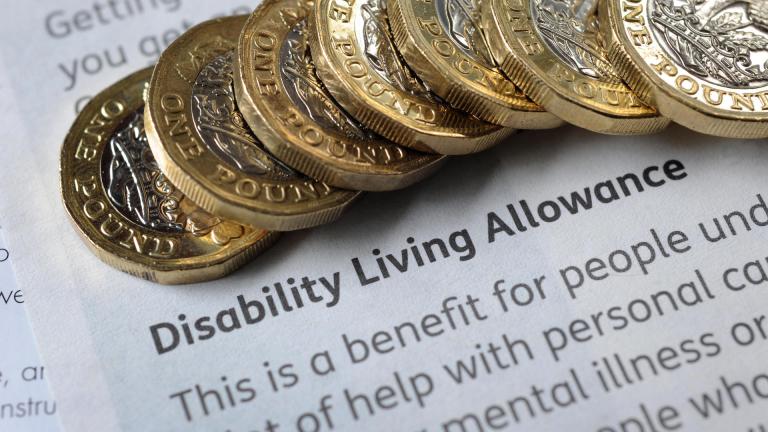
For Wes Streeting’s talk about “grasping the nettle”, the disabled community will have been frustrated by the minister’s repeated failure to mention how the cost of care burdens disabled people – forcing many of us into debt to pay for the support we need.
In his column, Streeting repeatedly mentioned how social care was a burden on the NHS, but the NHS and social care should be on equal footing. It is a scandal that so many believe social care is free when, in fact, thousands of us are plunged into debt as a result of extortionate care charges, which are little more than a tax on our impairment – a punishment for the inaccessible world non-disabled policymakers have built.
Keep reading the journalism that powers our mission
Register free to continue and learn more about the stories, campaigns and the support we provide, helping people facing poverty across the UK.
Six years ago, the GMB union found that at least 166,000 people had some form of social care debt. One can only imagine how much this figure has risen in the last few years. In 2023, it was estimated that 60,000 disabled adults in England were chased by councils for social care debts. Imagine going into debt just because you need some form of support.
Despite finding the announcement encouraging and hoping for change, Alex stressed they were worried about “how our community will manage until 2028”. While we wait for the outcomes of another protracted commission and hope that the government will have the political will to enact its conclusions, there’s a huge concern that more and more councils will go bankrupt, cutting our support in last-ditch attempts to preserve solvency.
This has already displayed itself in the rights-removal approach of local authorities such as Bristol City Council, who last year tried to prop up their social care provision by moving older and disabled people who currently live at home with care and support packages above a certain cost into residential settings.
Ultimately, we don’t need a new commission to find the answer. The DPO Forum England, which is a body made up of disabled people and our organisations from across the country, already has a plan: the introduction of a National Independent Living Service (NILS).
This new system would be needs-led. A needs-led system would provide support when needs first appear, preventing crises and expensive blockages and reducing demand for high-cost acute provision. It would be free at the point of delivery so the poorest and most acutely disabled are no longer pushed out of support because they cannot afford it. This new system would be a bottom-up system dedicated to choice, control and independence.
This vision is achievable, as my WinVisible colleagues emphasised: the money already exists to fund free high-quality support by people of our choice, to end zero-hour contracts and exploitation of unwaged family carers, but they told me that the government “prioritises military spending” or “privatised institutions” that councils can barely afford.
Investing in a bold new solution to the issue of disability support will pay off in the longer term by enabling us to contribute to society through a valued disability support workforce and effective, efficient and well-managed services. Let’s hope the government can do more than recognise the issues by being bold and acting on them.
Mikey Erhardt is a campaigner at Disability Rights UK.
Do you have a story to tell or opinions to share about this? Get in touch and tell us more. Big Issue exists to give homeless and marginalised people the opportunity to earn an income. To support our work buy a copy of the magazine or get the app from the App Store or Google Play.