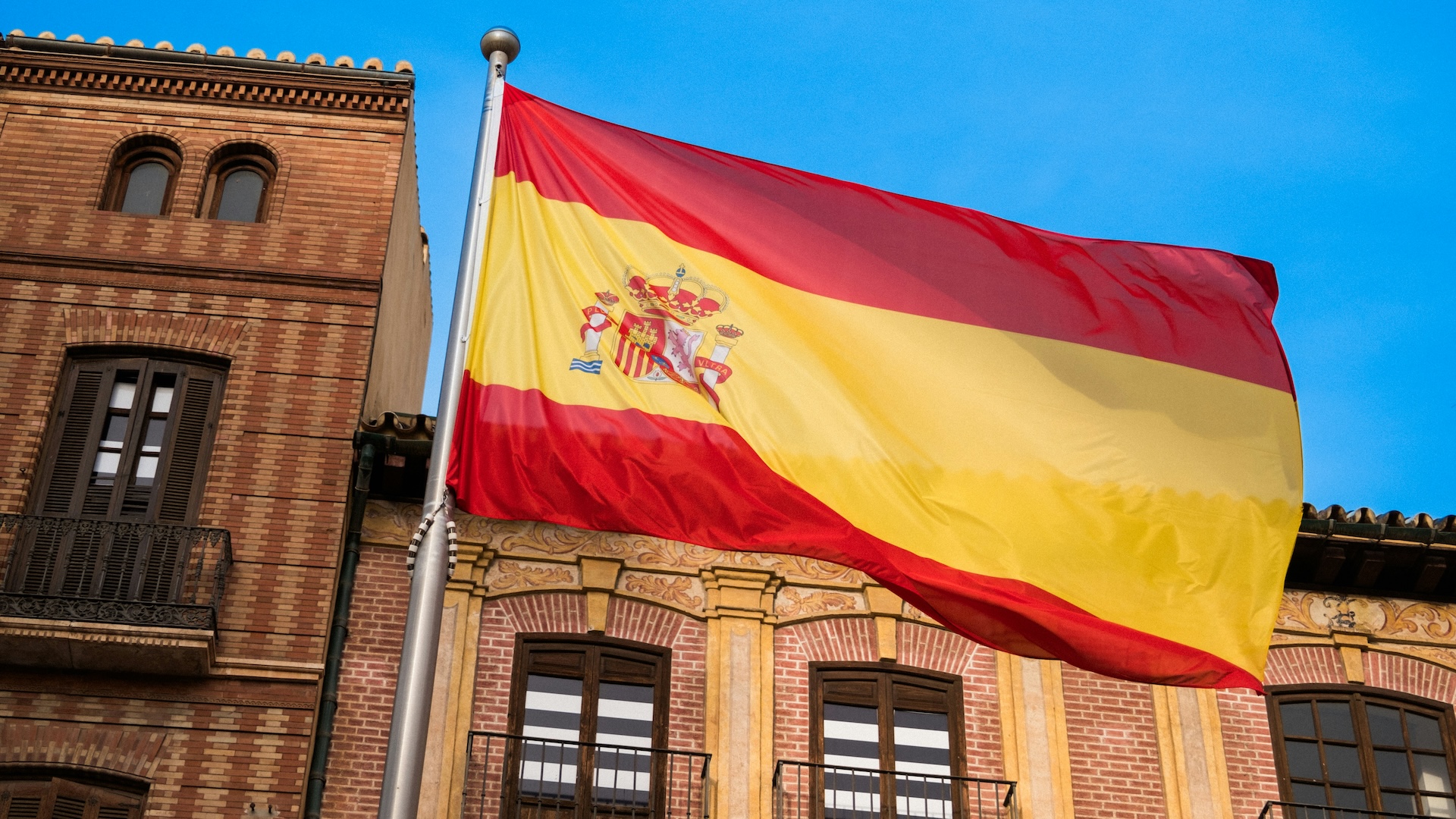
Spain’s recent decision to grant legal status to around 500,000 undocumented migrants raises an important question for the UK: are we willing to rethink how we manage migration and integration?
Some see Spain’s move as bold. Others see it as risky. But at its heart, it is a practical response to a practical reality: people are already living, working and contributing. The government has chosen to bring them into the formal system rather than leave them in the shadows.
This moment matters for us in the UK. Not because Spain is perfect. Not because we should copy and paste its policies. But because it shows that migration systems are political choices. They can be redesigned.
Read more:
- Housing asylum seekers at Crowborough military camp is repeating dangerous mistakes
- The message that non-white people are unwelcome in the UK got louder in 2025 – here’s the proof
- I am a British citizen and have lived in the UK for 20 years. But as a refugee, I feel afraid here
For nearly 15 years I’ve worked across campaigning, research and frontline refugee support, including serving as a trustee in the refugee sector. Throughout that time, one message has remained constant: the UK needs a more humane and accountable asylum system, one that allows people seeking protection to rebuild their lives including through access to work. The call has never simply been about compassion. It has been about common sense and long term outcomes.
My doctoral research reinforced this. I examined how systems either enable or constrain people’s ability to move forward. The evidence showed that when policy locks people out of participation, the effects are profound. Confidence erodes, skills deteriorate. Communities miss out on talent and contribution. But when systems recognise agency, and create pathways to participate, people are far better positioned to rebuild their lives and integrate with dignity.