Every so often the media spotlights high-profile cases of modern slavery that briefly shock the public conscience before unfortunately fading from view. There was recently the sentencing of a UN judge to six years and four months for forcing a young woman to perform domestic labour, as well as the recognition of a woman abused by Mohammed Al Fayed as a victim of modern slavery.
These cases appear as random instances of extreme abuse by individual bad apples, and they can be addressed through tougher policing and criminal prosecution. However, this obscures a much wider crisis of exploitation unfolding in homes, on the streets, in local businesses, and across the care sector. While policing plays an important role in treating harm that has already occurred, it does little to address the conditions that make people vulnerable to exploitation in the first place. This results in treating the symptoms of the problem, while allowing the underlying causes to persist.
This can potentially explain why modern slavery cases continue to rise in the UK, despite the adoption of the Modern Slavery Act more than a decade ago. The act consolidated various offences relating to exploitation such as slavery, forced labour, servitude and human trafficking. This was widely praised as sending a clear message to traffickers that the UK was not the place to trade in human lives. Rather than deterring exploitation, the legislation has operated within a social and economic environment that continues to produce vulnerability.
Read more:
- Overseas domestic workers are abused by employers. The UK visa system makes it worse
- If we want to prevent modern slavery, we must start with preventing homelessness
- Few trafficking and modern slavery survivors get counselling. They have to face their trauma alone
Evidence of this can be seen in the increasing number of identified cases. The National Referral Mechanism (NRM), which is the UK’s framework for identifying potential victims of modern slavery, reported a 22% increase of referrals in 2025. The number rose to 23,411 cases compared 19,117 the previous year. While the Home Office attributes this rise partly to increased awareness and a possible growth in exploitation, it admits that the main driver remains unclear.
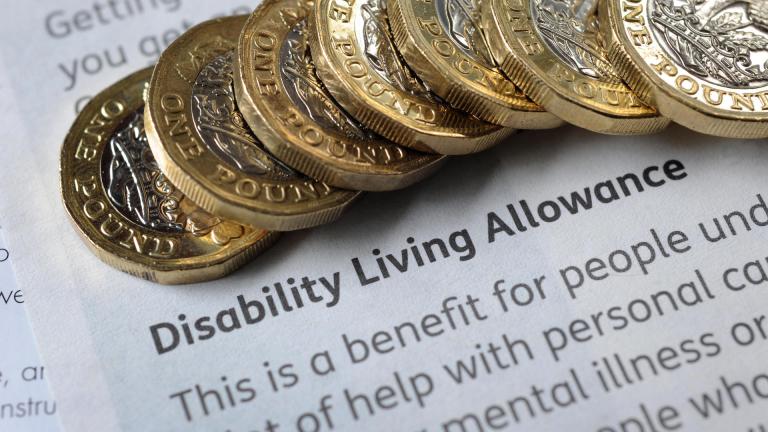
A more persuasive explanation is offered by the Independent Anti-Slavery Commissioner, who warns of a growing pipeline of vulnerability that traffickers are able to exploit. Vulnerability in the context of modern slavery refers to the personal, situational and contextual characteristics that make individuals more susceptible to exploitation. Some common factors known to drive vulnerability to modern slavery include poverty, unemployment, homelessness, insecure immigration status, and disability. By limiting people’s options and reducing their ability to resist coercion, these conditions can leave individuals increasingly exposed to abuse and exploitation.