Class inequality in television means talent is being lost and vital stories are not being told, writes Professor Beth Johnson
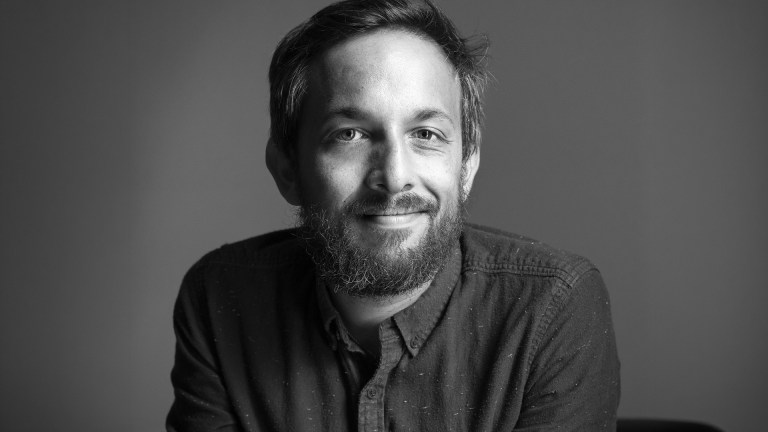
by: Professor Beth Johnson
19 May 2026
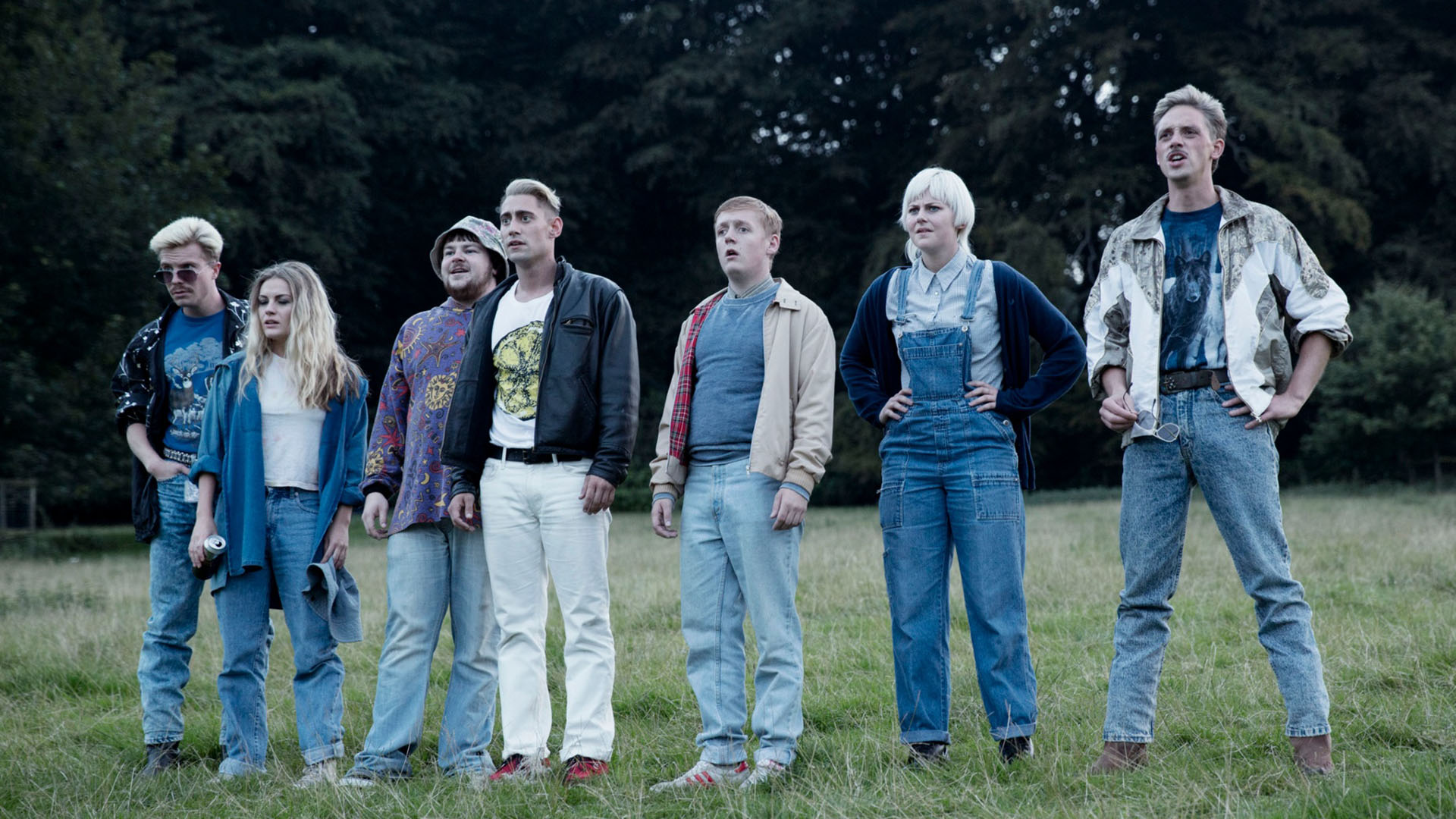
This Is England 90 – a working class story, told by working class creatives. Image: Channel 4
Share
Television likes to tell stories about Britain. But there is one story it still needs to confront more directly: its own.
The UK TV industry is celebrated as creative, influential and open to new voices. Yet behind the screen, a simpler question is too rarely asked: who can actually afford to build a career there?
For years, debates about inequality in television have focused on access. How do we help more people get in? How do we widen recruitment? And how do we diversify the pipeline? Those questions matter. But they miss a harder truth: getting in is not the same as being able to stay.
These findings come from What’s On? Rethinking Class in the Television Industry, an AHRC-funded research project led from the University of Leeds. The project examines how class shapes television drama production, representation and audience response. Our new policy briefing was developed in partnership with the Film & TV Charity, combining this research with wider evidence on class, mental health and financial pressure across the industry.
Class inequality in television is not sustained only by who gets a first opportunity. It is sustained by who can afford to remain once they arrive.
Working in television increasingly means navigating insecure contracts, gaps between jobs, long and unpredictable hours, expensive production centres, informal hiring networks, and career progression systems that often depend on confidence, contacts and being visible to the right people. For some, these pressures are manageable. For others, they become impossible.
Advertising helps fund Big Issue’s mission to end poverty
Advertisement
In our policy briefing, we use the term classed risk distribution to describe what is happening. Financial, emotional and career risks are not shared equally across the industry. They fall hardest on those with the least resource to absorb them.
That might mean: someone unable to rely on family help between contracts. Someone who cannot relocate to London at short notice or someone juggling care responsibilities in a culture of long hours. Someone turning down an unpaid opportunity because rent is due or someone leaving after years of effort because insecurity has become unsustainable.
This matters, because talent is being lost long after entry level.
Keep reading the journalism that powers our mission
Register free to continue and learn more about the stories, campaigns and the support we provide, helping people facing poverty across the UK.
The industry often tells itself a comforting story: once people are through the door, merit will decide what happens next. Our findings challenge that idea. Staying power is shaped by money, time, geography, networks, confidence and the ability to survive repeated uncertainty. And when some groups are pushed out, the consequences do not stop behind the camera.
Who makes television shapes what gets made. It influences whose lives are treated as interesting, credible or worthy of attention. It affects how characters speak, where stories are set, what counts as realism, and which experiences are seen as universal.
Audiences notice this. Many of the people we spoke to were highly alert to questions of authenticity and class representation. They were not just asking whether a programme was entertaining. They were asking whether it felt truthful, whether it understood the world it portrayed, and whether the people making it seemed to know the lives on screen.
Advertising helps fund Big Issue’s mission to end poverty
That means class inequality is not only a workforce issue. It is a cultural issue too. So what should change?
First, we need to move beyond the idea that access schemes alone will solve structural inequality. Entry routes matter, but they cannot compensate for a system that remains difficult to survive inside.
Second, employers and commissioners need to treat working conditions as an equality issue. Predictable scheduling, fair progression, transparent recruitment, manageable hours and regional decision-making are not extras. They are part of inclusion itself.
Third, policymakers and regulators should recognise that workforce sustainability matters to the future of British television. If only those with private buffers can build careers, the sector narrows itself socially and creatively.
Britain is full of television talent. The question is whether our industry is organised to keep it – or quietly designed to lose it. Until we answer that honestly, the question remains: who can afford to work in television?
‘From Evidence to Action: Class Inequality, Workforce Sustainability and Workforce Wellbeing in UK Television’ is a new policy drawing on findings from the AHRC-funded research project ‘What’s On? Rethinking Class in the Television Industry’ and the Film & TV Charity’s Looking Glass survey
Advertising helps fund Big Issue’s mission to end poverty
Buy from your local Big Issue vendor every week – and always take the magazine. It’s how vendors earn with dignity and move forward.
You can also support online: Subscribe to the magazine or support our work with a monthly gift. Your support helps vendors earn, learn and thrive while strengthening our frontline services.
Thank you for standing with Big Issue vendors.
Advertising helps fund Big Issue’s mission to end poverty