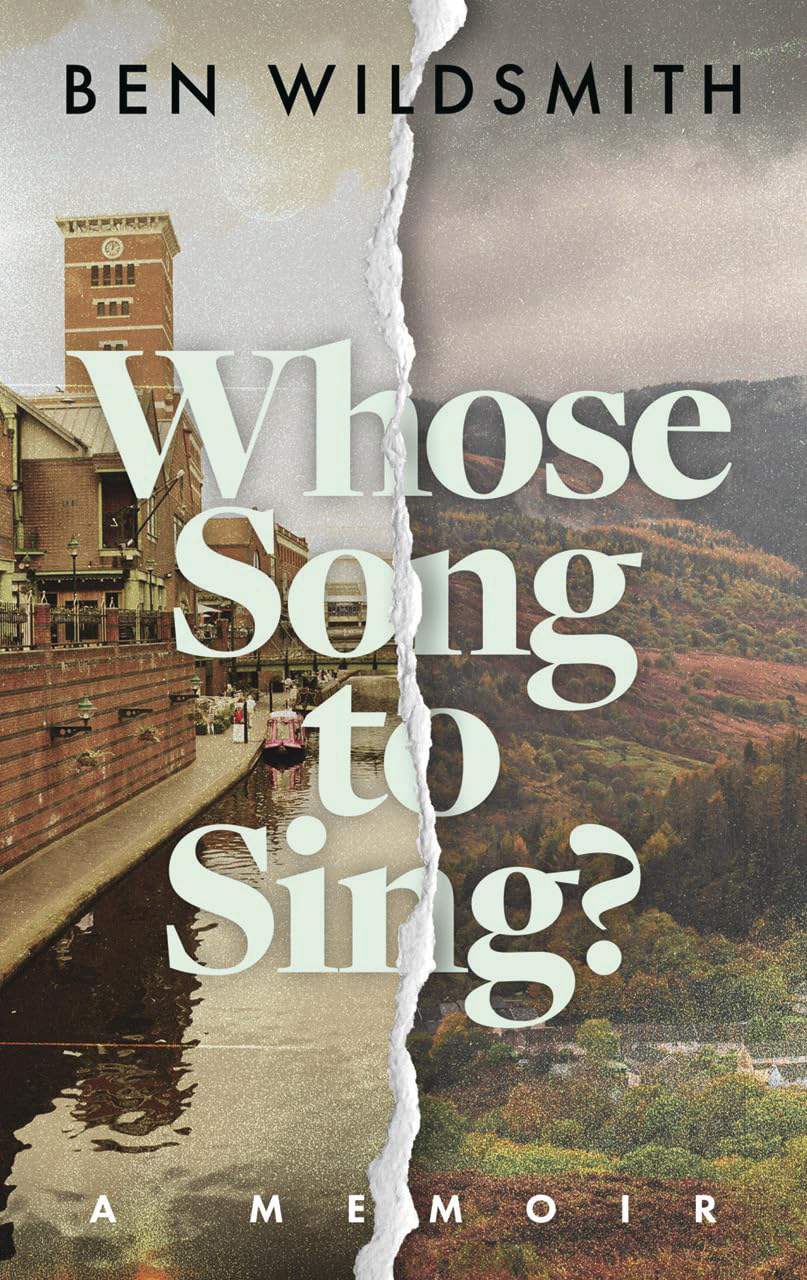
When my pugnaciously no-nonsense granny set about constructing our family tree, she cut through the ambiguity of my place on it by adding (grafted) after my name. It was a fair, if blunt, acknowledgement of the otherness that adoptees navigate throughout life. I’ve recently tried to disentangle the implications of my adoption in a memoir Whose Song to Sing?, and it’s illuminated a weird paradox. Everyone agrees that adoption is a big, immovable fact in someone’s life, but it’s considered awkward if adoptees mention it themselves.
TV writers love it as a plot device. If you want an off-the-peg backstory for your villainous wrong ’un, have them adopted at birth! Recently, Harlan Coben’s Run Away on Netflix has an embittered adoptee deliberately hooking his birth sister on heroin. Fortunately, though, his birth mother (Minnie Driver) manages to slit his throat before he can do any more damage.
Get the latest news and insight into how the Big Issue magazine is made by signing up for the Inside Big Issue newsletter
In the BBC’s Riot Women, an ungrateful adoptee nearly drives his adoptive mother to hang herself. Had his birth mother not joined forces with her to condemn his attitude, who knows what might have happened? Perhaps they had been alerted to potential danger by Yellowstone, in which a disloyal adoptee wreaks havoc upon his family.
As the Duttons struggle to hang on to a decent, natural, American life, the biologically alien interloper, Jamie, tries to ruin them. Interestingly, he often seems as if he’s acting against his will – driven solely by a genetic predisposition to cause harm. He is, as his birth sister points out before stabbing him through the heart, irredeemable.
Adoption is a fundamental factor in someone’s personality. In my book, I liken it to ethnicity, meaning that it sits with us from the outset. It arrives as a plot point before we enter the story. While birth parents and adoptive parents have a timeline to contextualise the situation, the adopted child knows nothing else.