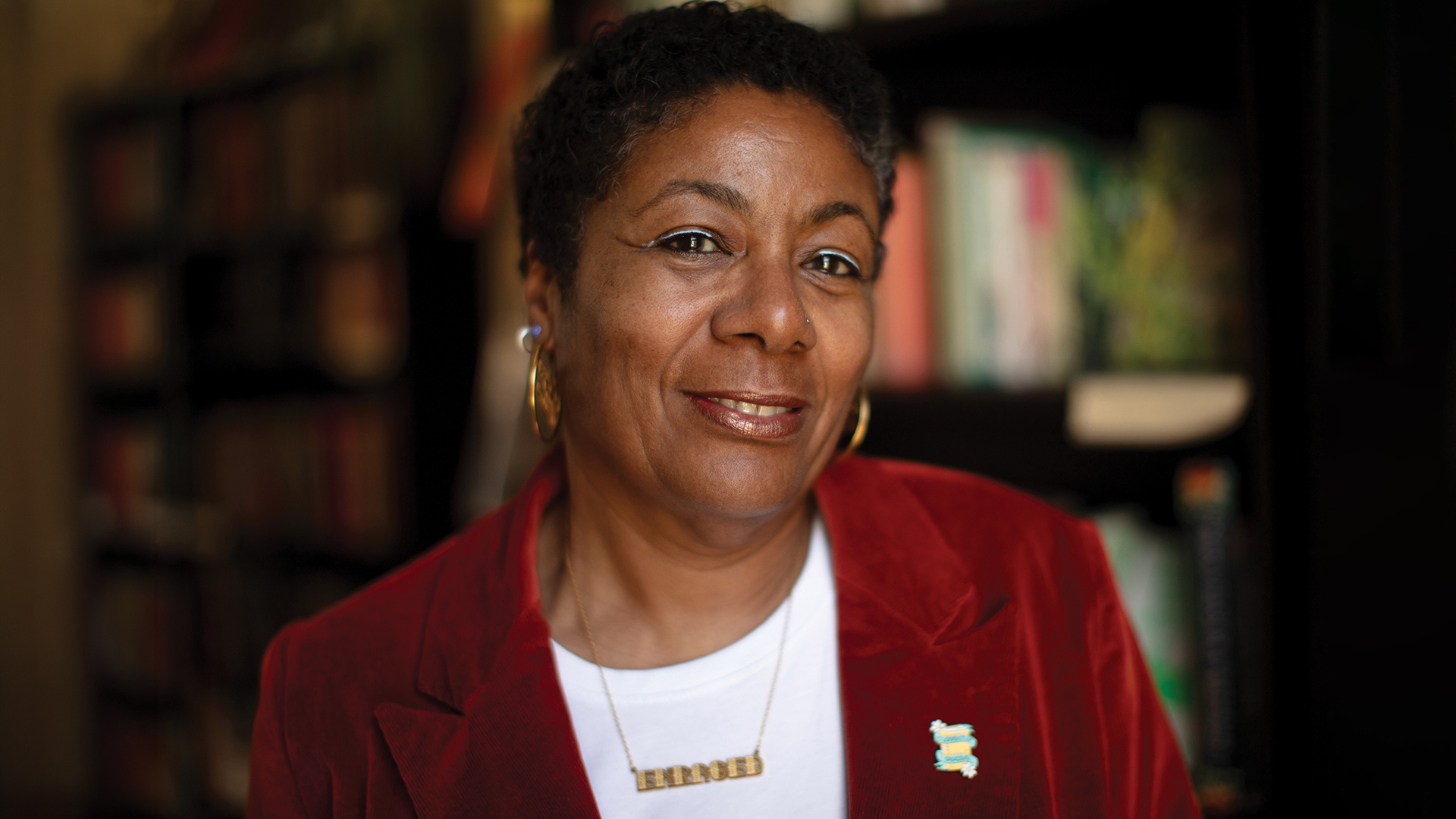
My spotlight is thinking about how we can use stories and shared reading to bring people together. I love music. I love going to a gig and I love that moment where everybody’s bawling out the same song at the same time. How can we create moments like that with stories and books? You see it in primary school classes sometimes when the teacher is reading to a class, and every child is invested in that book.
And also, how do we use stories and books to give back the humanity to people who’ve had their humanity taken away? There are so many communities and vulnerable children who are pushed to the edges of our society. Mainstream rhetoric isn’t supportive of them. How do we use stories to challenge that?
In your work, you’ve tried to do that. What motivates you?
Keep reading the journalism that powers our mission
Register free to continue and learn more about the stories, campaigns and the support we provide, helping people facing poverty across the UK.
Before I became a full-time author, just under 10 years ago, I worked for voluntary sector organisations for almost two decades. Working with kids involved with social services, the criminal justice system – people who have been pushed to the edges. But also for myself, having grown up as a black child in Sussex. I’ve never been in a traditional family. I’ve never lived as an adult or a child as a family where we’re all the same colour.
What was your family like?
My parents split up before I was born. They were unmarried. That was a big stigma when I was growing up. And my biological father, I knew, but I never lived with him. I didn’t see him for about 11 years. He had become unhoused in Brighton. He’d been in prison for months – for forging a cheque – and because of that, he couldn’t be a nurse any more. So he became alcohol dependent and was bouncing between squats and hostels. He sadly died in a fire in a squat when I was in my mid-twenties. One of my young adult books has a character – somebody’s father – who is homeless and is trying to make a connection with their child. And, you know, sometimes in schools, when I talk about it, there would be children who would come up to me and say, ‘Oh, my dad’s in prison.’ A lot of children come up to me and say that they’re fostered, because I was fostered for the first four years of my life and I sometimes talk about that. So I do write about those things. One, because I never felt seen in the books [I read] when I was growing up. And two, I know how transformative it can be for children and young people to feel recognised.
Read more:
What did you read when you were a child?
It was Enid Blyton or bust, basically. And they’ve sanitised those books now, but there was one about a little
black doll that was hated by her owner until she was washed. A book that had a profound negative effect on me was the original Dr Dolittle, from 1921. Dr Dolittle goes to Africa. I remember looking at this cartoon of this king and queen of Africa and they actually look like orangutans. I read that when I was about six. Just the omission of children like me in any books just meant I fundamentally believed that I didn’t belong in books and I couldn’t write books. And I was in my 30s when I came across Malorie Blackman’s Pig-Heart Boy and that’s what changed my life. So I know how books can lift and how they can damage.
What were some of the ‘lifting’ books?
Books like Little Women. When my dad walked out on my mum when she was pregnant, she was training to be a nurse. So I was looked after in a different family from the age of four months to four years while she finished her training and made sure we had somewhere to live. But she’s a massive reader as well. The way we built a love language was through books. One of them was Little Women. That’s a lone-parent family, because the dad is at war and Jo [the protagonist] wanted to be a writer. So I think I picked that up by a kind of osmosis.
The other one wasThe Diddakoiby Rumer Godden. It was serialised on the BBC as Kizzy, and it’s about a girl of Traveller heritage. She starts mainstream school and is bullied because of who she is. And obviously, growing up in 1970s Sussex, things would happen to me that wouldn’t happen to my white friends. I didn’t have words for it, and I didn’t want words for it – because once you name it, you have to acknowledge it. But when you read it in a book, it’s a safe place to explore it and feel absolutely seen and validated.
How can books challenge racism, especially when children are young?
We need to start supporting families. When I was working in the children’s sector, it was when Sure Start was doing incredibly well. Sure Start was based on research and evidence that showed that if you start supporting families before birth and building their skills, it works.
There are organisations working with children’s centres to support parents and encourage them to read with their children from a very early age. A lot of that research has already been done and we know that it works.
Even for me, as somebody who’s always loved books, it didn’t occur to me to read to a baby. My child’s father took our baby for vaccinations and came back with information saying: read to your baby. And of course I was quite happy to do that. Reading to a baby can make such a difference. Children are learning how society works from the moment they’re born. They’re absorbing all our value judgements. There’s been a lot of research showing that children recognise racial hierarchies before the age of four. So we certainly need to start unlearning that from day one.
You’ve spent years working with children and visiting schools around the country. Do young people still inspire you?
Yeah, absolutely. I’m always on trains! I think it’s the books, but it’s also the actual presence of someone who can challenge stereotypes. I was in Barrow-in-Furness with an illustrator who’s Nigerian-Italian. The children there are predominantly white. There were some Nigerian-heritage children who were like, ‘Whoa.’ But for some of the white children, who might have absorbed negative narratives or rhetoric, they saw us chatting and laughing, and they all wanted to come up on stage. It really does work. It just picks away at some of those things they’ve been told, and then the books back that up.
Patrice Lawrence’s recommended reads
Book you always recommend to a friend
For that, it really depends on the friend.
Best book recommended to you
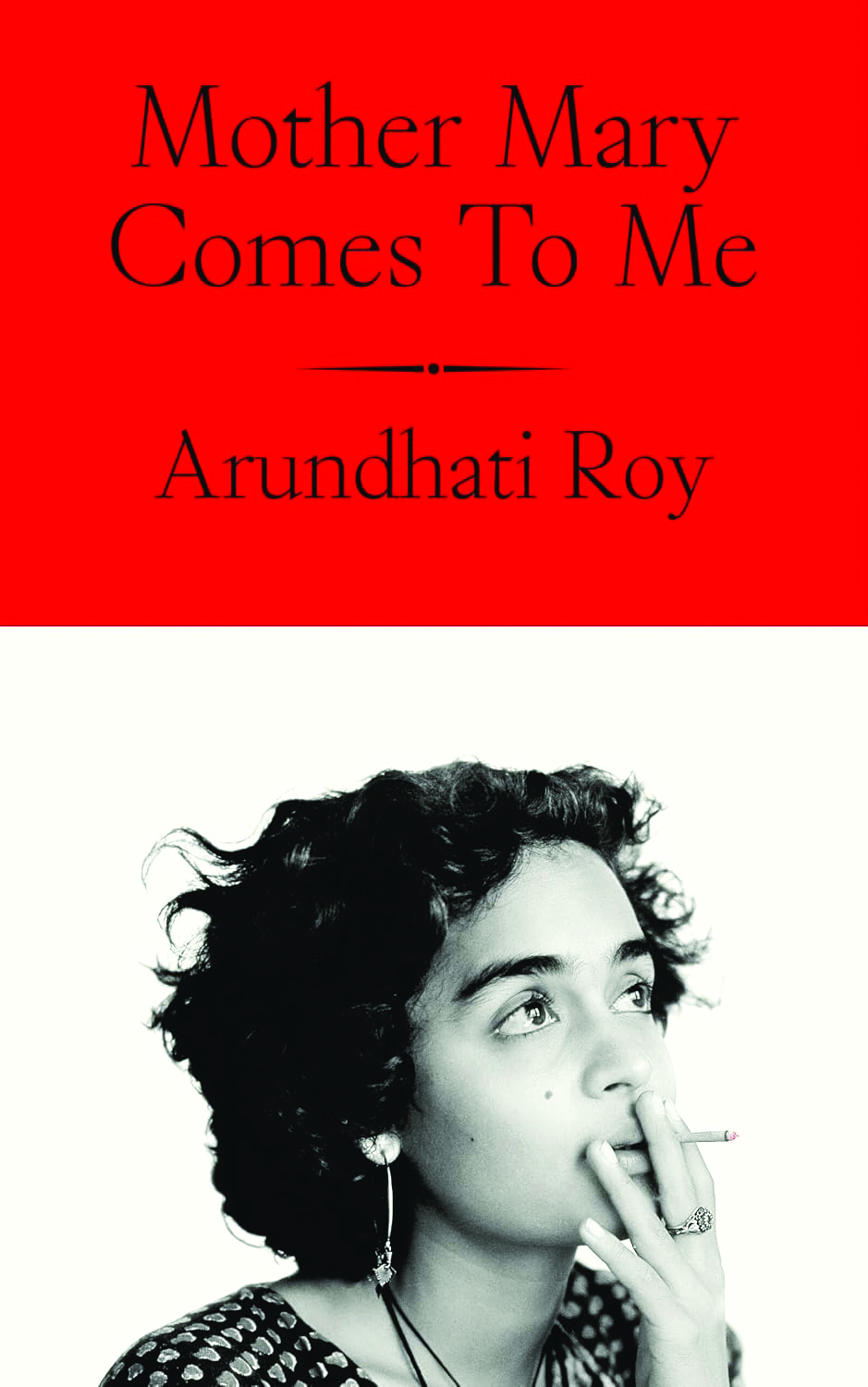
Mother Mary Comes to Meby Arundhati Roy. Actually, two people bought it for me. I think they might possibly perceive that I have mother issues.
One you still remember from your school days
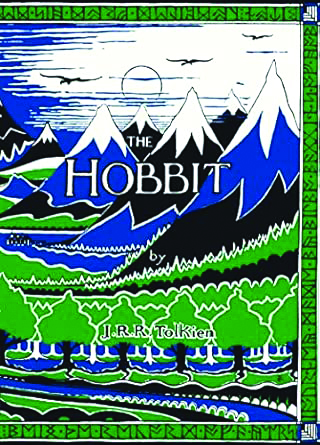
The Hobbit byJRR Tolkien. I actually found a teenage diary from when I was 13 and I’d written about discovering The Lord of the Rings. I got The Hobbit from my primary school library and The Lord of the Rings from Haywards Heath Library. Of course it’s in three volumes, and it was so infuriating when somebody had borrowed the next one and not brought it back.
I seriously cried at that bit where Frodo tells Sam to go home on Mount Doom. I took that so personally. I was heartbroken.
That’s the thing, isn’t it? Those little squiggles on paper can make you cry. These are hobbits, this is Mount Doom, this is a magical ring, and I was so invested in it that I cried.
The book that changed the way you see the world
Pig-Heart Boyby Malorie Blackman. It’s a choice between that and the picture book So Muchby Trish Cooke and Helen Oxenbury. For both of them, it was the first time I’d seen representations of black British families in children’s books. There was American stuff on television, but not in British children’s books. I’d absorbed the idea that I couldn’t put black children in books, and those books gave me permission. Once I had that permission, I found my voice as a writer.
The classic that lives up to its reputation
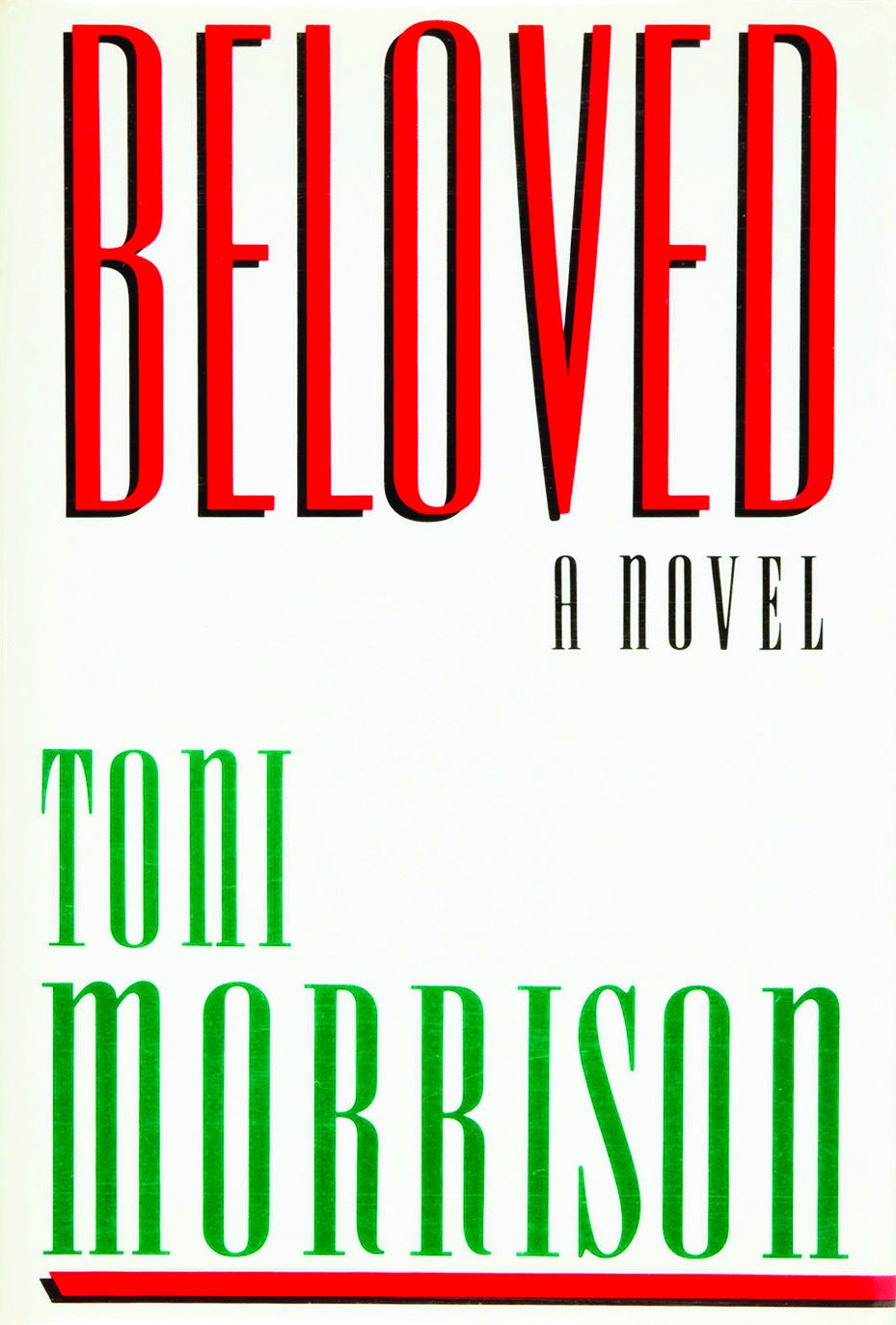
Belovedby Toni Morrison. What’s considered classic at school is so much about a white, dead canon. But one of the books I’d hope would be considered is this one. It’s that mixture of magical realism but also something quite harsh. It explores the horrors of enslavement, but also humanises black people, our families, kindness and trauma in this really vivid language.
You can buy these books from the Big Issue shop on bookshop.org, which helps to support Big Issue and independent bookshops.
Do you have a story to tell or opinions to share about this? Get in touch and tell us more.
Change a vendor’s life.
Buy from your local Big Issue vendor every week – and always take the magazine. It’s how vendors earn with dignity and move forward.
You can also support online:
Subscribe to the magazine or support our work with a monthly gift. Your support helps vendors earn, learn and thrive while strengthening our frontline services.
Thank you for standing with Big Issue vendors.