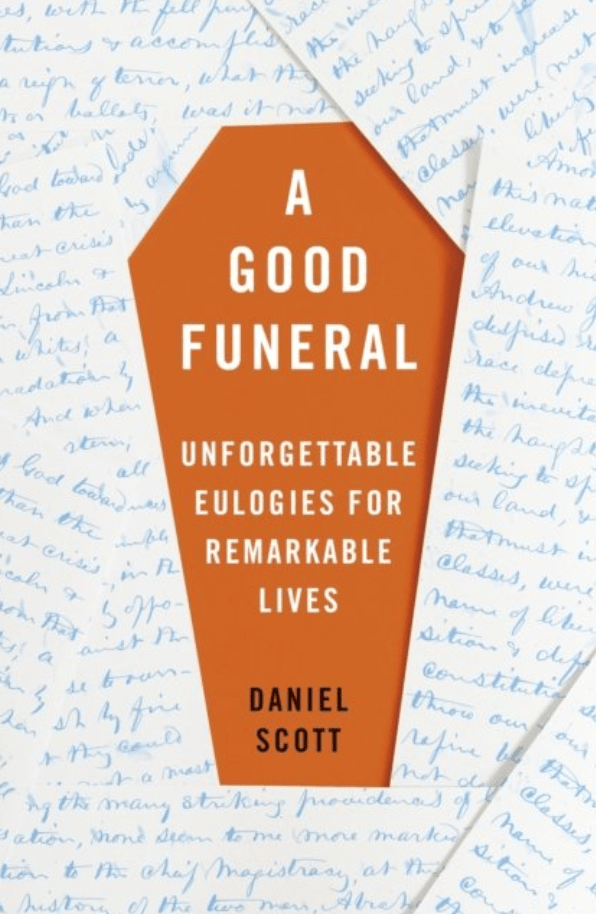
I started putting together a collection of eulogies partly because I felt obituaries were lacking in one key area of encapsulating a life: they tell us what people did rather than who they were.
Obituaries are meticulously planned, tweaked, polished. They have always struck me as having the feel of a CV, and that’s why I find them frustrating: they did that then, had those children, led that army into battle, became that government minister,had that number one record.
Obituaries often end up chaste and bland, even if the deceased was far from that (Lemmy from Motörhead comes to mind here).
Obituaries are often compiled over decades by a sequence of editors. It is not feelings but facts which are key. My father-in-law, an esteemed historian of science, once received a chilling phone call from a broadsheet obits editor checking the sequence of events in his life, which they clearly felt was running out.
Personally, I have always been interested in the fullest range of a life, warts and all. The lives of characters such as Judy Garland, George Harrison and Jane Birkin may well have been beautiful and wonderful on occasion but probably not all the time.
And so I love eulogies because they take up the story after the obituary has been written. There are no rules, no established form and sometimes no logic about who should deliver it. A family member? A friend? A cleric? Or in Elizabeth Taylor’s case, Colin Farrell, whom she’d only recently met.