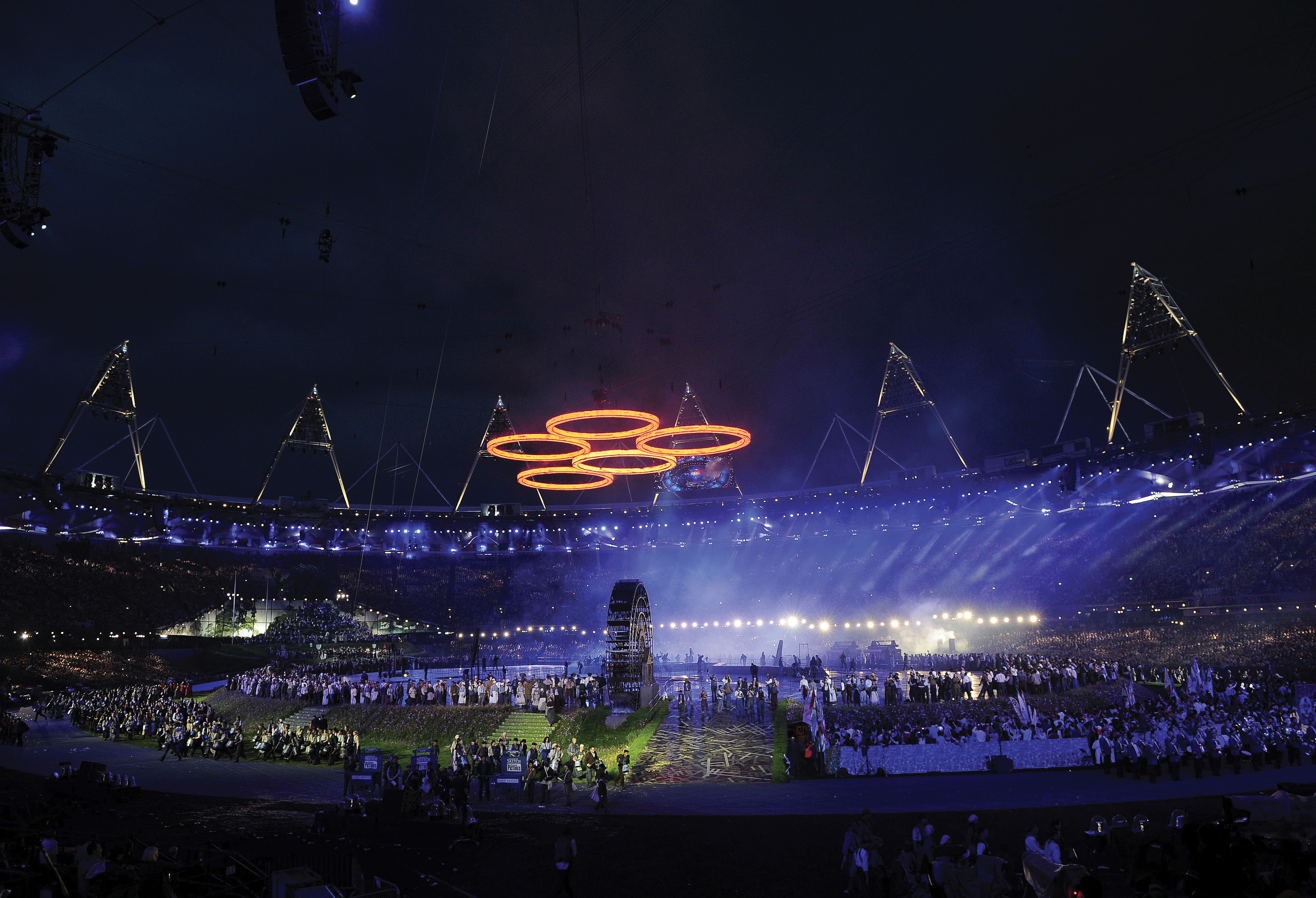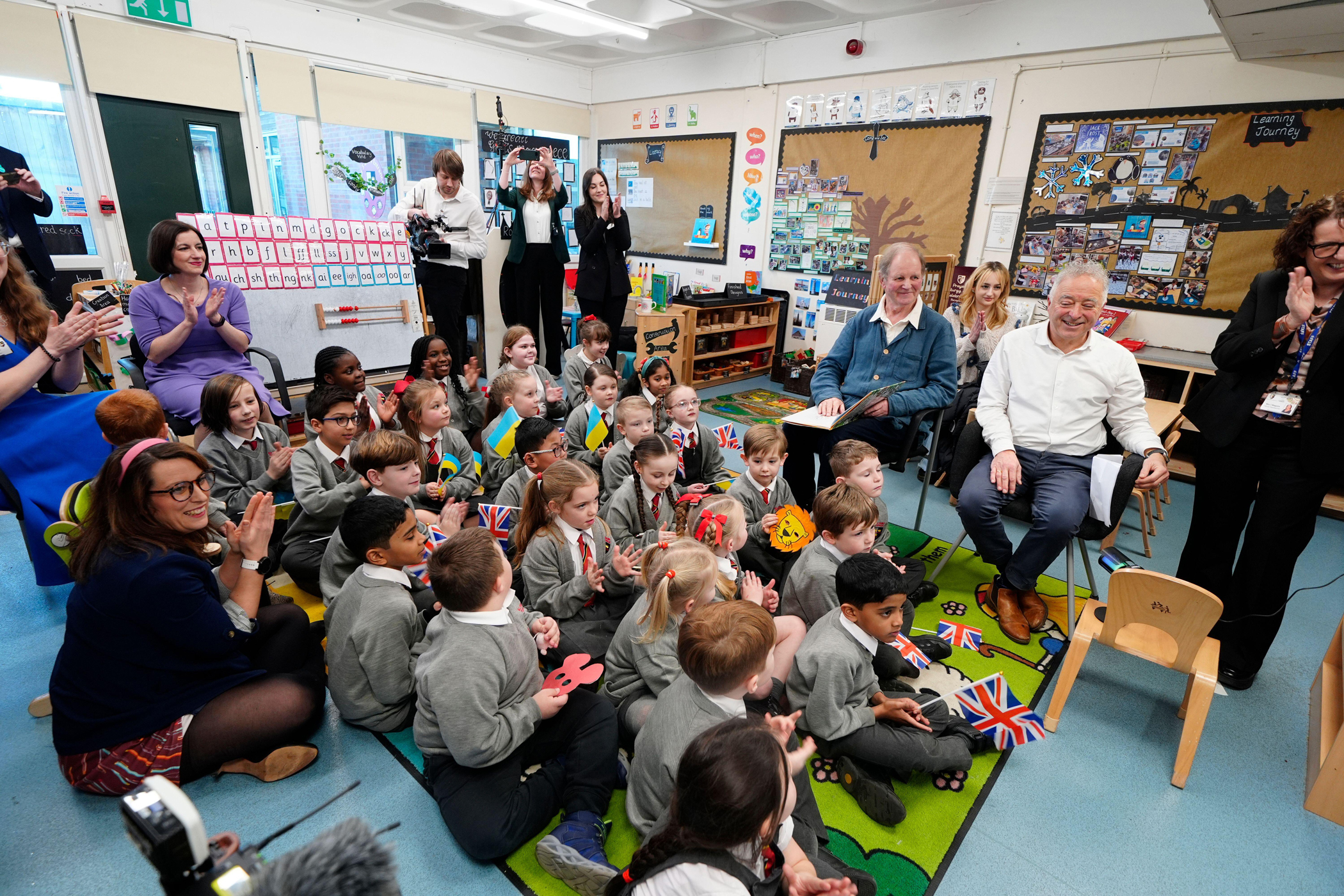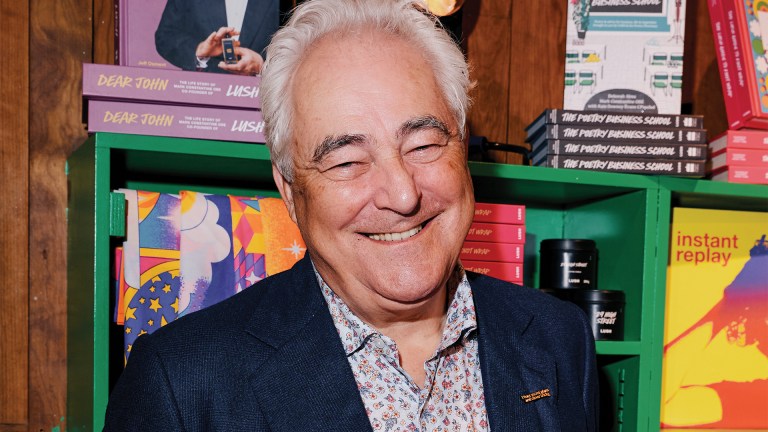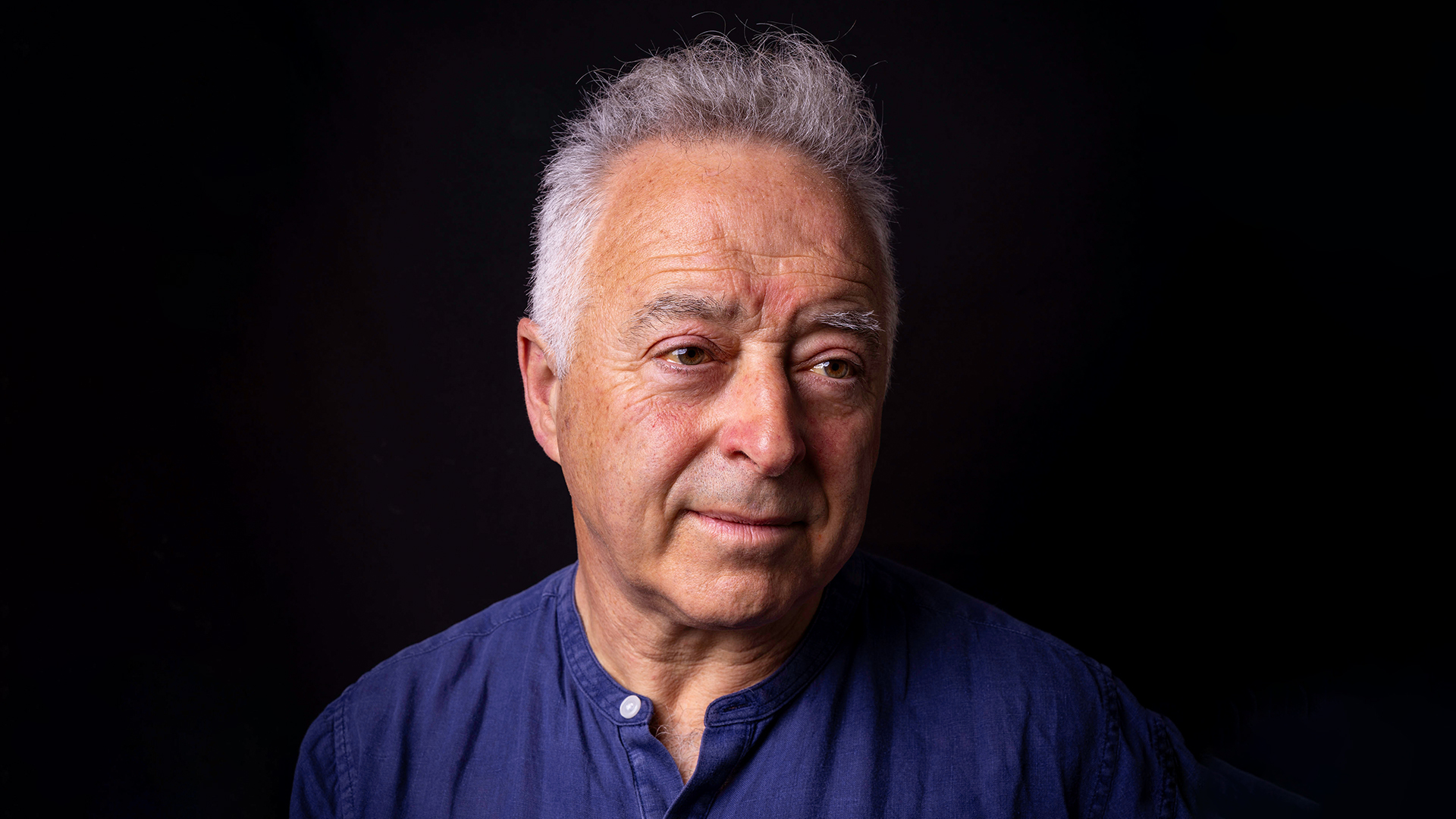
Frank Cottrell-Boyce was born in Bootle in September 1959. His children’s books have been shortlisted for a multitude of prizes, including the Guardian Children’s Fiction Prize, the Whitbread Children’s Fiction Award, The Roald Dahl Funny Prize, and the Blue Peter Book Award. Millions, Cottrell-Boyce’s debut children’s novel, won the prestigious CILIP Carnegie Medal. His TV screenwriting work includes Doctor Who, Brookside and Coronation Street, while his film writing includes 24 Hour Party People and A Cock And Bull Story. Along with Danny Boyle, Cottrell-Boyce devised the opening ceremony for the London 2012 Olympics. In 2024, he was appointed as children’s laureate.
In his Letter to My Younger Self, he looks back on the role of music in shaping him, inspirational teachers and his time as children’s laureate.
My preoccupation at 16 would have been trying to meet David Bowie. And trying to look like him. I do feel lucky that I was a big Bowie fan, because he was a big reader, wasn’t he? I feel very blessed that I had a pop star who was constantly referring to books and carrying books and reading books. By the time I was 16, I was quite settled in school. I was in a band. It was Liverpool, when it was obligatory to be in a band. Being in a band often meant I made up a name for a band, and we made some badges. It was a lot of walking up and down the city centre.
I was very lucky, because when I was 16 or 17, there was a club in Liverpool called Eric’s, which was really, really buzzing musically. Lots and lots of acts came. They used to have – this is so sweet, because they used to… well, it wasn’t sweet, it was exploitative. But they used to let underage people in in the afternoon. And I now realise what was happening was that we were paying to listen to the band soundcheck. So I saw loads of acts. And there was such a scene around that, you know, and a scene is a very important thing, isn’t it? A lot of musicians, a lot of people wanting to be musicians, but also people from the theatres and the clothes shops, all kind of meeting together. So I feel very lucky to have been in Liverpool in that era.
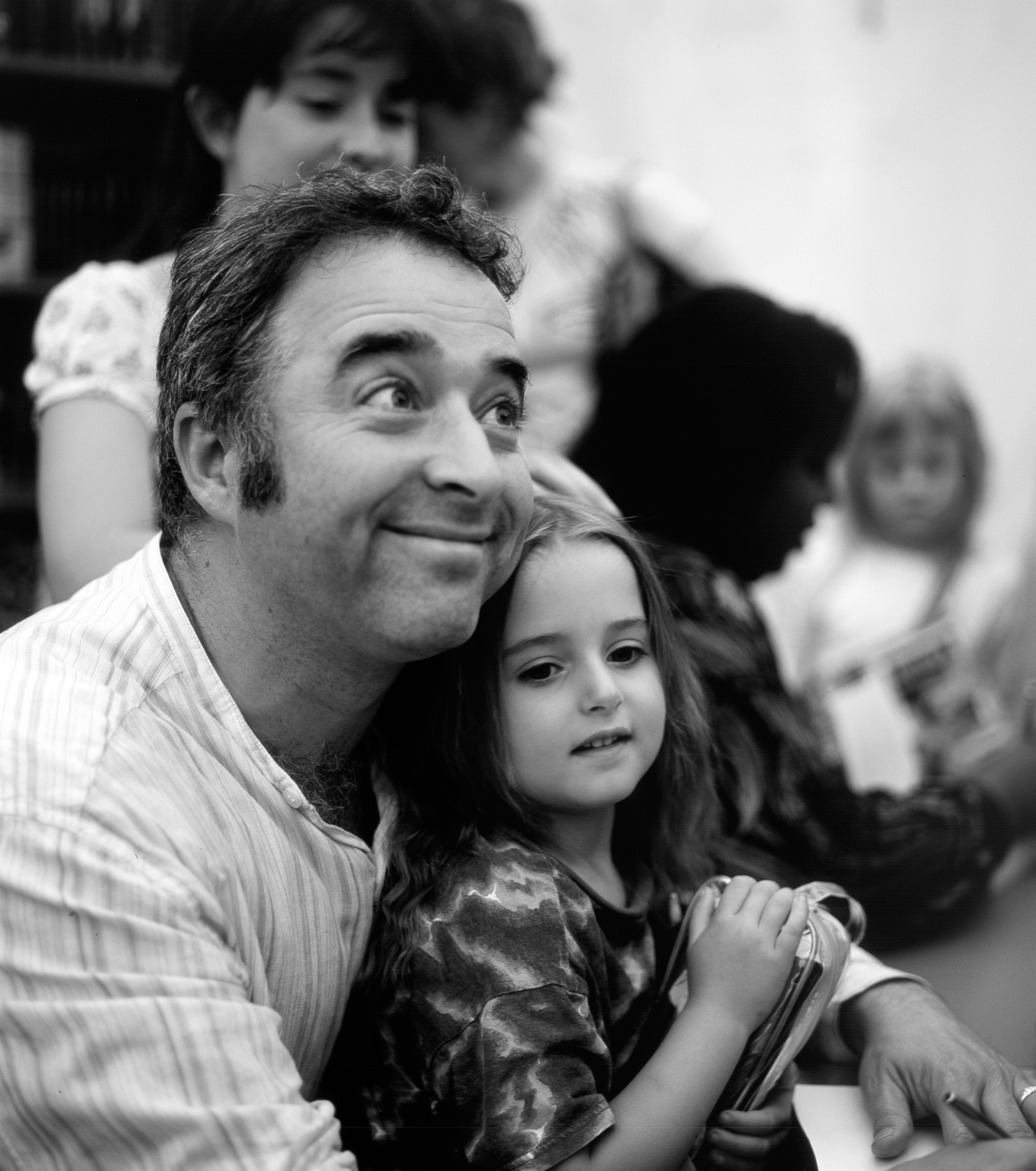
a book at the Hay Festival. Image: Kathy deWitt / Alamy
One of my big lucky breaks was that my dad was a student when I was little. He went into education, and he did a university degree, and he became a teacher. And I wanted to be with my dad. In those days, the Open University lectures were on at five o’clock in the morning on the television. So I would come down and sit with him. I don’t think it educated me, but it certainly gave me a kind of a weird comfort. I wasn’t interested in the lectures at all, just interested in sitting there with my dad. It was wild to be up at five o’clock in the morning with a piece of toast. And he was just very tolerant of it.
I had a great teacher in year six called Sister Paul. I was the youngest in the class through primary school. Well, obviously as the youngest you’re never going to be a top student. You’re at a huge disadvantage at that age. I wouldn’t say I was struggling, but I was unremarkable. And then there was a time when my best friend was off school sick, and he was off for a long time. I felt really lonely, and I really threw myself into this piece of work. And my teacher, Sister Paul, she picked it up, and she could see right away that something different had happened. And she went to the front of the class, and she read it out loud. I can’t begin to tell you how massive that was for me, to hear a teacher read my words out. I mean, I became a film writer, and I’ve heard lots of famous people read my words out. But nothing came close to that.