Beth Orton: ‘Women are reinventing what it means to exist in the world’
Losing her mum young changed her life in ways she never expected and led to her becoming a modern folk icon
by:
7 Aug 2026
Image: Kasia Wozniak
Share
Born in Dereham, Norfolk, Beth Orton is a BRIT Award-winning singer-songwriter. She has released nine acclaimed solo albums, including the Mercury Prize-nominated, platinum-selling Trailer Park (1996) and her self-produced latest, The Ground Above, which reached No 1 in the UK Independent Albums chart.
Orton has collaborated with artists such as The Chemical Brothers, Bert Jansch, Nick Cave, Terry Callier and Andrew Weatherall,. Her touring has taken her across the world, with headline performances at the Royal Albert Hall, Sydney Opera House, Glastonbury Festival, Carnegie Hall and beyond.
In her Letter to My Younger Self, Orton looks back at her music-obsessed formative years, the impact of losing her mother at an early age and the pressures that came with success.
My main preoccupation at 16 was probably drinking. I left home when I was 16, and I was quite excited to start living. School wasn’t a great success. I had a chance to do A level English literature and gain a theatre diploma. I had to audition for it, and I got in. So I left home to go and do that.
I think I was a pretty jolly teenager. I was outgoing. I was quite excited to just get my own little place to live. I lived with another family for a little bit, and then I got my own place. I was really, really happy, really excited to be getting a chance to pick up on the education that I’d missed. I’d been living in London, and I moved back to Norwich for college, which is where I was originally from.
I was listening to everything. I guess it was those years that I discovered Prince and Neil Young. I moved in with a group and there was one guy who was obsessed with Prince. So my education was in Prince at that time, and it was amazing. Then another person I lived with was into Neil Young so I started to listen to him a lot, and just fell in love with him and his music. I also remember a guy coming over and bringing Blue by Joni Mitchell and I heard it for the first time. At this point, I didn’t know that I was going to be a musician or anything.
Advertising helps fund Big Issue’s mission to end poverty
Advertisement
1997: Beth Orton in New York City. Image: Hayley Madden / Shutterstock
Were we a close-knit family? At that point, not particularly. I left home and I just wanted to get far away from everyone. I think I had quite a difficult household. I was probably quite a difficult teenager at that point. I just needed my own space.
If you met teenage Beth now you’d like her. Maybe you’d think she’s a little bit troubled, I don’t know. I think she was pretty funny. Funny and loud. Yes, quite a feisty little thing.
Losing your mum, let’s be honest, isn’t easy at any age. [Orton’s mother died when the singer was 19.] It actually propelled me forward, and that’s something I’ve written about on the new record, in the song The Ground Above. It gave me a sense of invincibility. It gave me a lot of power and a lot of forward motion. I just felt exhilarated in a strange way. It gave me freedom, the ability to not have to worry about her so much. I worried about her a lot, you know. I think sometimes also survival instinct makes us move on, push ahead, embrace life.
Keep reading the journalism that powers our mission
Register free to continue and learn more about the stories, campaigns and the support we provide, helping people facing poverty across the UK.
There’s so many ways music became my thing. There’s so many fucking ways. I was brought up with music in my house to such a degree… listening to my brothers playing music, listening to the band they were in, the bands that everyone was in. It was everywhere. At school in London we had music rooms with pianos, drums. Now I see that music was always there somewhere; it was always running through everything. But it wasn’t mine, it was the blokes’, it was the boys’ thing. So I never thought I would become a singer.
I did used to write poems. I used to write and write, jot things down all the time.One of the things I did when my mother died was I joined a theatre company, a kind of experimental theatre. I took a poem by Rimbaud and I turned it into a blues song. And I sang it on stage. Because singing in public – sometimes even speaking in public – was one of my biggest fears. But I did it and that started something in me.
Being around and about in London helped me get on with my music. I worked with a producer called William Orbit for a little bit. I met him at a party, and he was like, come to my studio. So I did. I played guitar in his studio, and he showed me how you do a verse chorus kind of pattern. I had all these words and I had all these melodies. What I did with him didn’t really go anywhere, but I didn’t stop writing songs from there on in. Now I enjoy writing songs. It’s one of the things I enjoy most.
Advertising helps fund Big Issue’s mission to end poverty
Eventually I got a publishing deal with EMI because of the songs I’d written with William. The first song was called Water From a Vine Leaf, and then other little songs caught their attention. I don’t think it’s quite as simple now, but at that time I had these demos, and someone at a label heard them, and then I met with them and signed a little deal. It was much more of an organic process in those days. I didn’t think about making a living from songwriting, but in time I did.
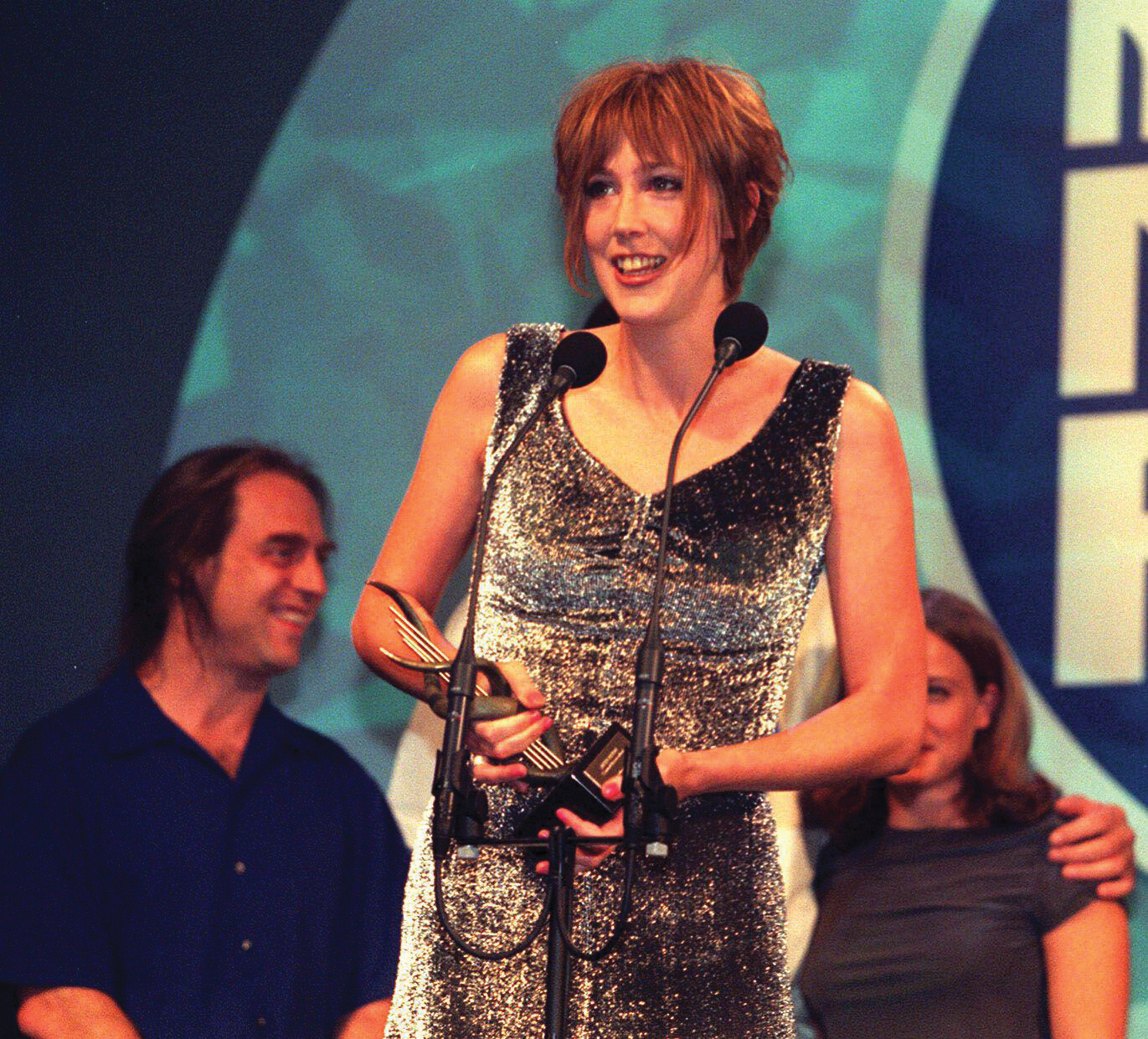
2000: Beth Orton receiving her Mercury Prize nomination for Central Reservation in London. Image: PA Images / Alamy
It was interesting working with Andrew Weatherall and The Chemical Brothers. Andrew Weatherall brought a lot of atmosphere to the music. He brought a lot of depth to the music, and he allowed me, in lots of ways, to get more serious with my words, and not be afraid to dig a little deep. That was a very beautiful kind of relationship, in a way, a working relationship. And then, you know, with Tom and Ed [Chemical Brothers Rowlands and Simons] it was really fun.
Trailer Park [in 1996] was my breakthrough album. What was it like making that? I just went about it. I chose the musicians I did because I felt like I was kind of recreating a modern-day Pentangle. I wanted to sort of channel Pentangle and bring these folk musicians and Andrew Weatherall together and see what would happen. And something really incredible happened. It was a wild experience.
Would I go back and change anything? You just can’t think like that, can you? That is life. And life is something we only understand backwards. It’s such an extraordinary thing to be alive, because it’s so poignant, it’s so painful. Life is full of paradox. Yes, I could change a million things, and at the same time I can change nothing. I have no control. I can only be where I am now, and all I can do is be the person I want to be now, and try as hard as I can to make amends today for anything I might regret from the past.
I wasn’t particularly easy with having a profile. It came out of nowhere and it was strange for me. I was at odds with it. I did not expect to do well back in the ’90s. So it did throw me. I did the best I could at the time to meet the pressure of that, but there was a lot of pressure. It’s especially hard when you’re sort of green around the gills. And I didn’t have a family support network, it was just me. So it was exciting as hell, but it was quite nerve-wracking.
Advertising helps fund Big Issue’s mission to end poverty
I don’t worry about getting older. It’s pretty much the same as anything, you just keep doing your best day to day. I think women are just especially reinventing what it means to exist in the world and live longer and find their fertility beyond the kind of childbearing age, and I think that’s really exciting. I mean, yeah the whole thing is a bit intimidating, isn’t it? But I think there’s intimidating aspects to any age in the public eye.
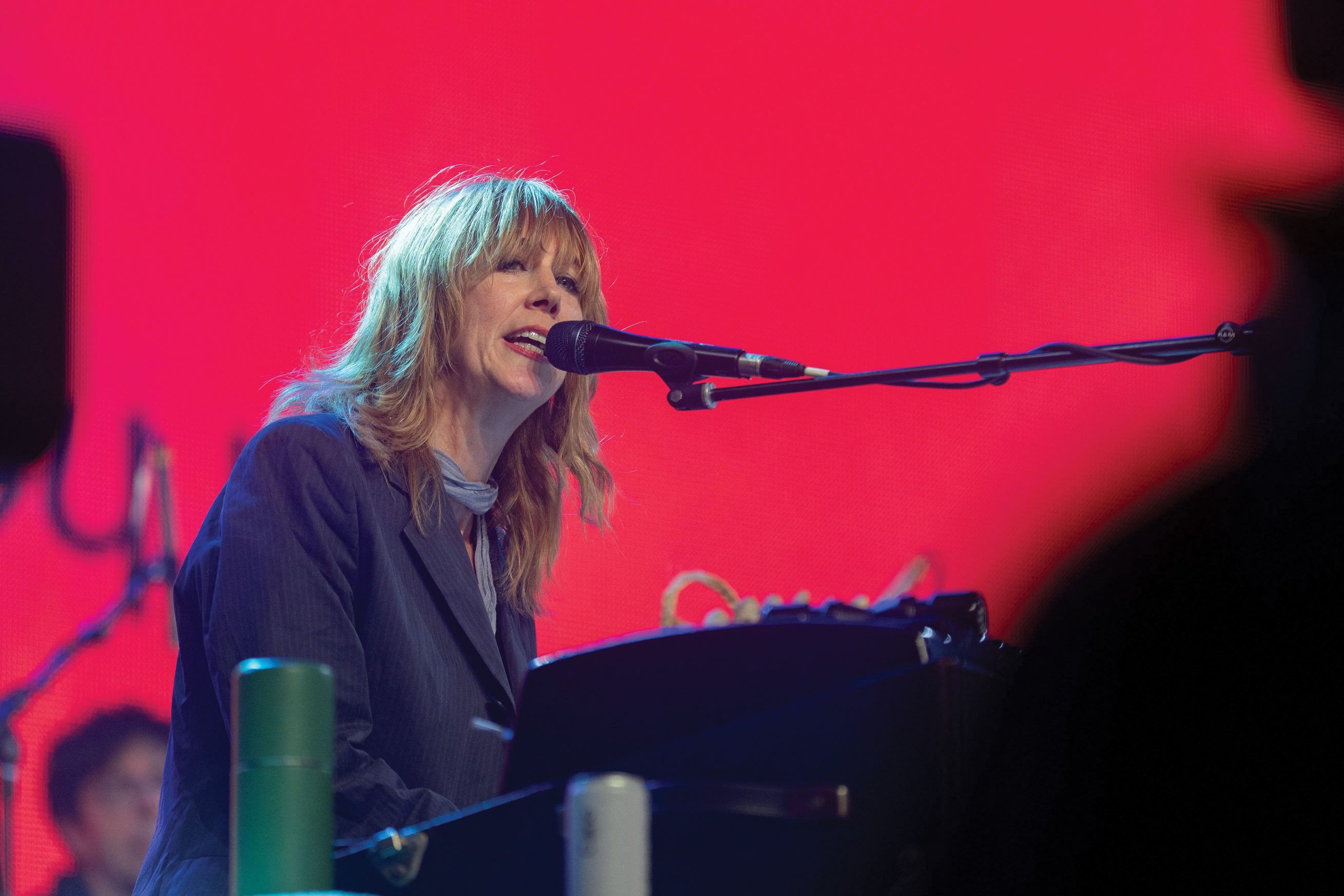
2008: Beth Orton playing at Latitude Festival, Suffolk, on 26 July. Image: Stephen Keable / Alamy
If I could have one last conversation with anybody it would probably be my mum. What I’d want to say… well, that’s very private, I’m not sure what I’d want to say to her. I’d just want to be with her.
If I could relive any days in my life I would relive the best times with my kids. I don’t think anything’s ever totally perfect, is it? But there are these moments in the day, these experiences where you’re just like, this is beautiful. Often it’s just in a tender moment, you just connect with your kids in a particular way. They come and give you a hug and it feels like the channels are clear and open, and you’re like, OK, I must be doing something right. It’s just those little pockets of memory. Sometimes it’s just a feeling in the room, when everyone’s come together and it feels good.