Shane Torres: ‘My dad was homeless. It’s sobering to see your model of a man failing completely’
Comedian Shane Torres has a new show in Edinburgh – here he writes about having to help his father into a homeless shelter as a teenager
by: Shane Torres
26 Aug 2026
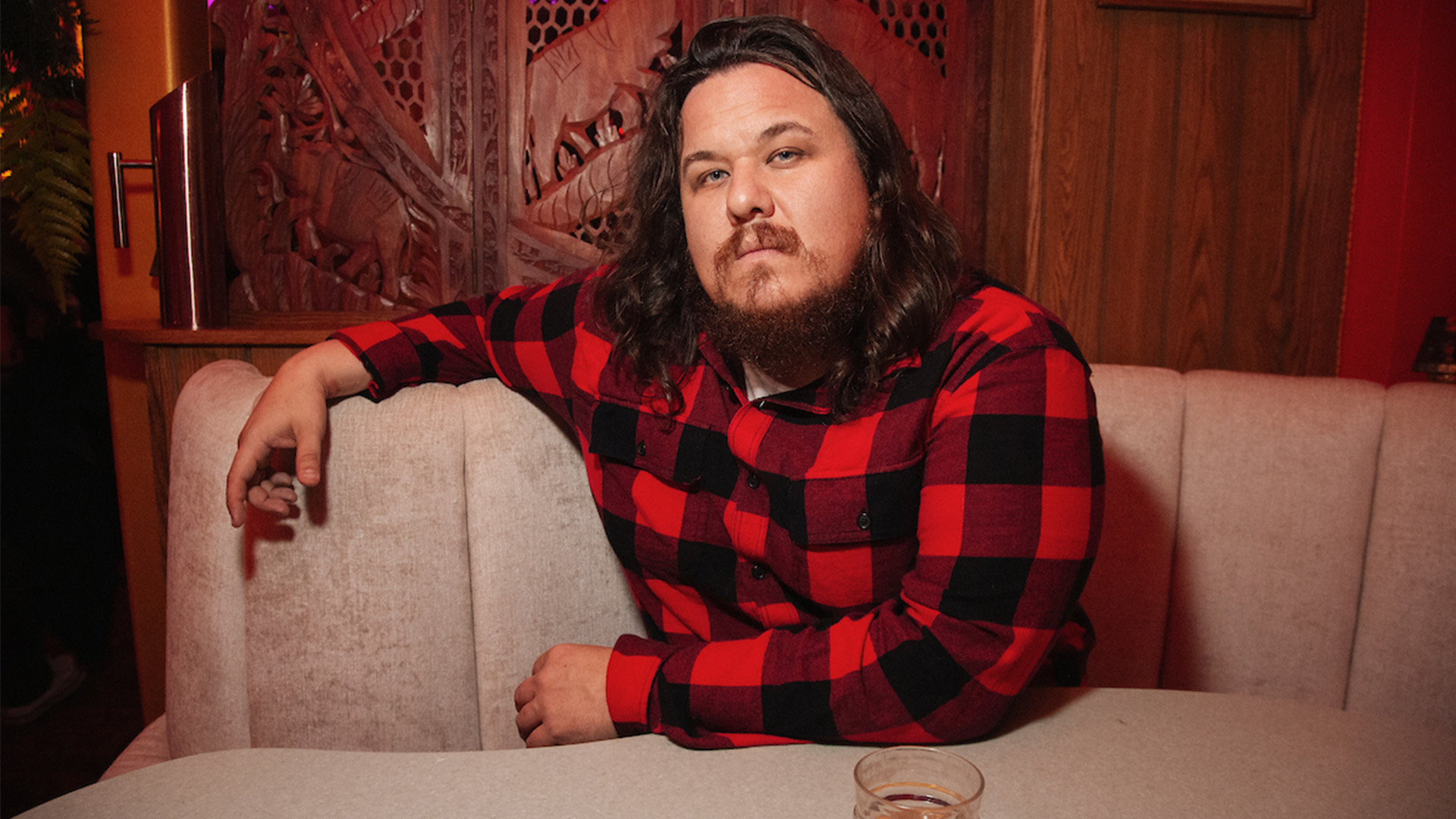
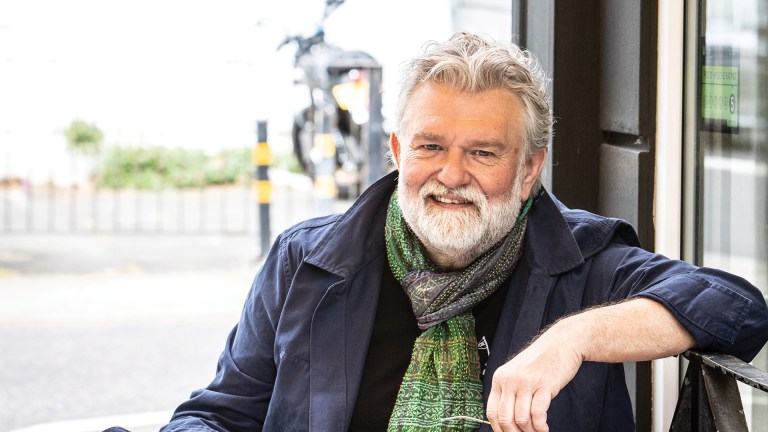
Comedian Shane Torres. Image: Mindy Tucker
Share
I grew up in Fort Worth, Texas – a place locals call Cowtown because of the city’s masculine cowboy culture and its history in the beef industry. It’s a nice place to be from. But it has every Texas cliche you can imagine. Friday night high school football games (our definition of football, not the rest of the world’s), bull riding and rodeos (never my cup of tea). Everything is bigger in Texas, as the expression goes, and that certainly includes bravado.
Until 2020, we hadn’t voted for a Democrat for president since 1964. So it is very conservative (though this might be shifting). Against that backdrop, my house was a bit of an outlier. Outside of Texas’s strong penchant for instilling manners in young men, my mother, an Irish nurse who worked in women’s health, found this version of masculinity as empty as a church on Super Bowl Sunday.
The contrast between my mother’s house and the deep conservative red world outside of it informed a lot of my take on what it means to be a man. Since my father was not a shining example of one, my mother tried to instil a sense of it – but like a lot of young men I was also influenced by my surroundings.
Once upon a time I saw a therapist I had a great disdain for. I found him to be a cliché from cover to cover. When I saw him, I saw a person who looked like he was auditioning for the role of a therapist. After seeing him for a few months, and considering stopping our scheduled weekly session of bellyaching, we had a moment. This Dr Who-The-Hell-Cares said: “Tell me about your father.”
I thought about how sad it was that this was the best therapist I could afford before I responded. Then I told him my father was around for a few years but soon enough, his lack of work ethic (and of paying taxes) cost us our home. My parents split up and we saw far less of him. Eventually, I had to help him move into a homeless shelter.
Advertising helps fund Big Issue’s mission to end poverty
Advertisement
It had fallen to me to be the one to help my father when he was broke and had nowhere to go; when he had maxed out his credit in every way, financially and personally, and been through the wringer looking for a place to live. He pulled up to my mother’s house one day in a car filled with every single thing he owned. He told me he had to move into a homeless shelter and needed some help. I was 14. Somewhere in that moment, the roles became reversed: I was the kid, and I was doing the helping.
It’s a sobering thing to see your model of a man failing completely. That day is vivid for me: how quiet the car ride was. How grim the shelter looked from the outside. The sea of unhoused people outside it that they did not have room for. And the moment my father thought he was alone and I could hear him crying.
The therapist said it was a lot to go through at such a young age, to which I replied: “No big deal, just another thing I had to deal with.” Then he said something that really landed with me: “No, it’s a huge deal. Just because it’s a thing you don’t want to talk about does not mean it was not a horrible experience.”
Keep reading the journalism that powers our mission
Register free to continue and learn more about the stories, campaigns and the support we provide, helping people facing poverty across the UK.
In the years after that first trip to the homeless shelter, my father would get back on his feet but would then make the same mistakes. I had a ringside seat to this man’s repeated failings: never really having steady employment, wasting time trying to keep up appearances for vanity’s sake, meeting another woman and largely putting her and her kids through the same things he put my mother through emotionally and financially. Watching that cycle repeat as a kid, hoping each time that this time would be different, is its own particular kind of difficult.
Advertising helps fund Big Issue’s mission to end poverty
Since I was old enough to see my father’s shortcomings, I have worried many times that I would end up just like him – without a cent in my pocket or sense in my head, doomed to forever repeat mistakes and never learn a lesson from a failure. It’s a hard thing to realise your model for masculinity failed you in many ways. And try as I might, we do have one thing in common: pride.
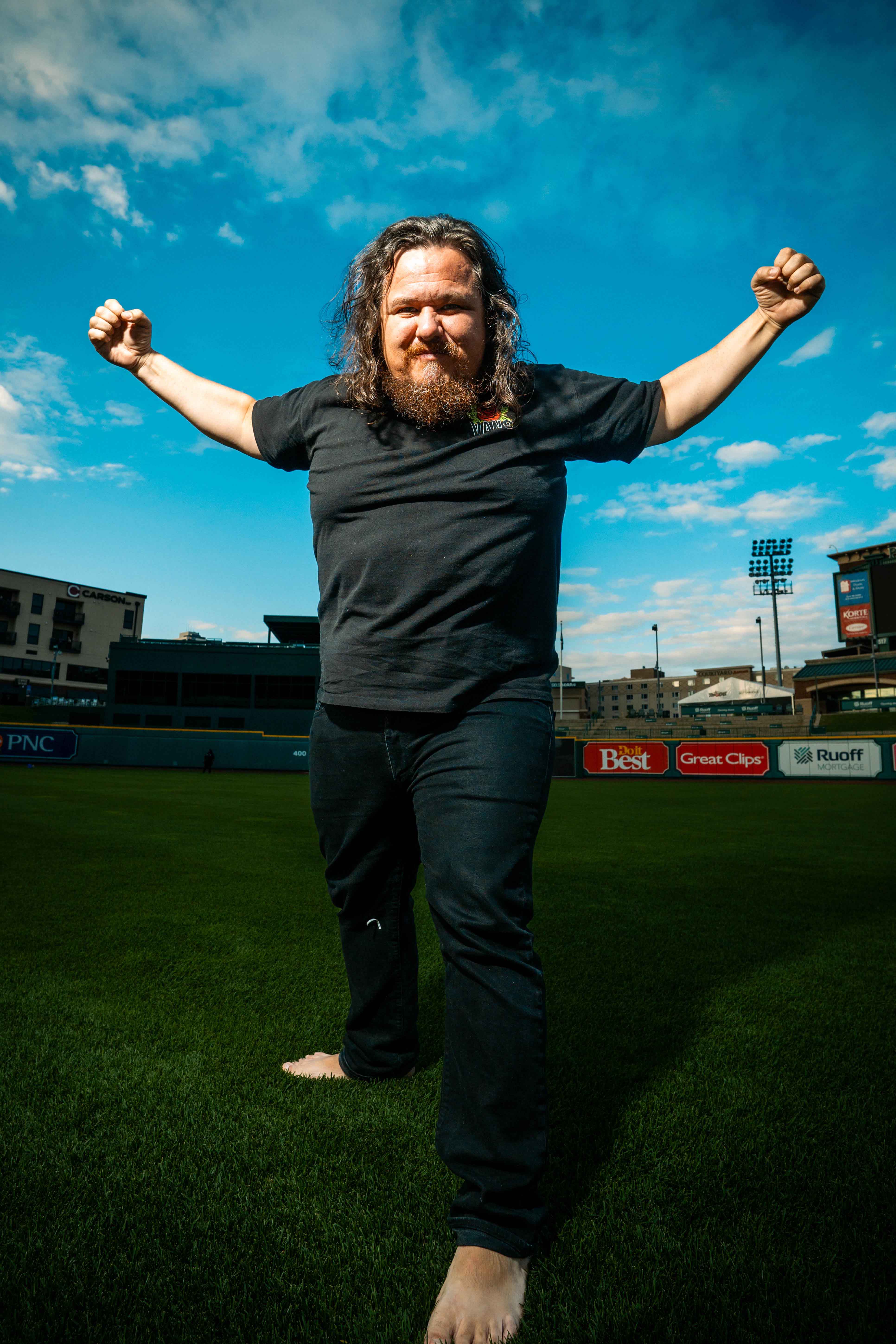
Shane Torres. Image: Troy Conrad
I believe pride and masculinity are often confused. Pride was what kept me from getting the very help I was seeking from the therapist I was sitting in front of. I was confusing my pride with being masculine, not talking about my problems because it was hard. My father’s pride kept him from meeting his responsibilities and from taking work he thought he was too good for, costing his family their home. His pride kept him from seeing his boys when they needed him after his divorce. His pride put him on his ass in a homeless shelter. Instead of being a man, owning his mistakes and fixing them, he let pride get the better of him. To this day I resent him for asking me to come, but I have sympathy for him.
Thankfully, I had my mother. The values I associate with being a decent man, the empathy, the generosity, the responsibility, came from her more than anyone. And still, I turned out very different from my brothers, raised in the same house by the same woman. They are certainly more of a Clint Eastwood archetype than me, but the real version of it, not a suave actor playing a tough guy. I tend to drift towards punk rock and love a good cuddle. We love each other but largely disagree on most things, so sometimes I wonder what shapes you as a man.
My father died just after I turned 29. Since his death, I have picked up a few things about this. First, it’s about the individual: you are responsible for your choices, and at the end of the day, it’s on you. My father did some things in his life that were so low you could not get a rug underneath him. That said, I know he did some things better than his own father did – and I will do a lot of things better than him because I saw where he failed. We can choose to learn from what we see or mirror it.
My mother died eight years ago and it was with her passing that I realised, here I was, a grown man, who didn’t feel like I was done being raised. I think my brothers may have felt it too. We had each other, but we were ultimately alone. My brothers and I have always struggled to meet one another where the other is, largely because of pride.
With the cohesion my mother provided gone, we have been left to figure out our own versions of what it means to be a man. My brothers have found their own ways to be their version of a man without being weighed down by pride, mostly through their children. In their best moments it looks incredible on them and I am proud of them. We may still not be close, but after years we are better than we were.
Advertising helps fund Big Issue’s mission to end poverty
For me, I have been lucky enough on occasion to replace pride with comedy. It was the gift that got me through that day with my father, through therapy; it was the gift that got me through my parents’ deaths. On stage was the only place I wanted to be after my mother died. My father lived that way to the end. And it put him on a cot in a shelter. It took me most of my life to learn that letting someone help you up is not failure. There is a value, and a lesson, in humility. It was my mother that ultimately taught me that.