Advertisement
Environment

How to respect the environment when wild swimming

Wild swimming has seen an explosion of interest in recent years. But how can you make sure you’re keeping the environment safe?

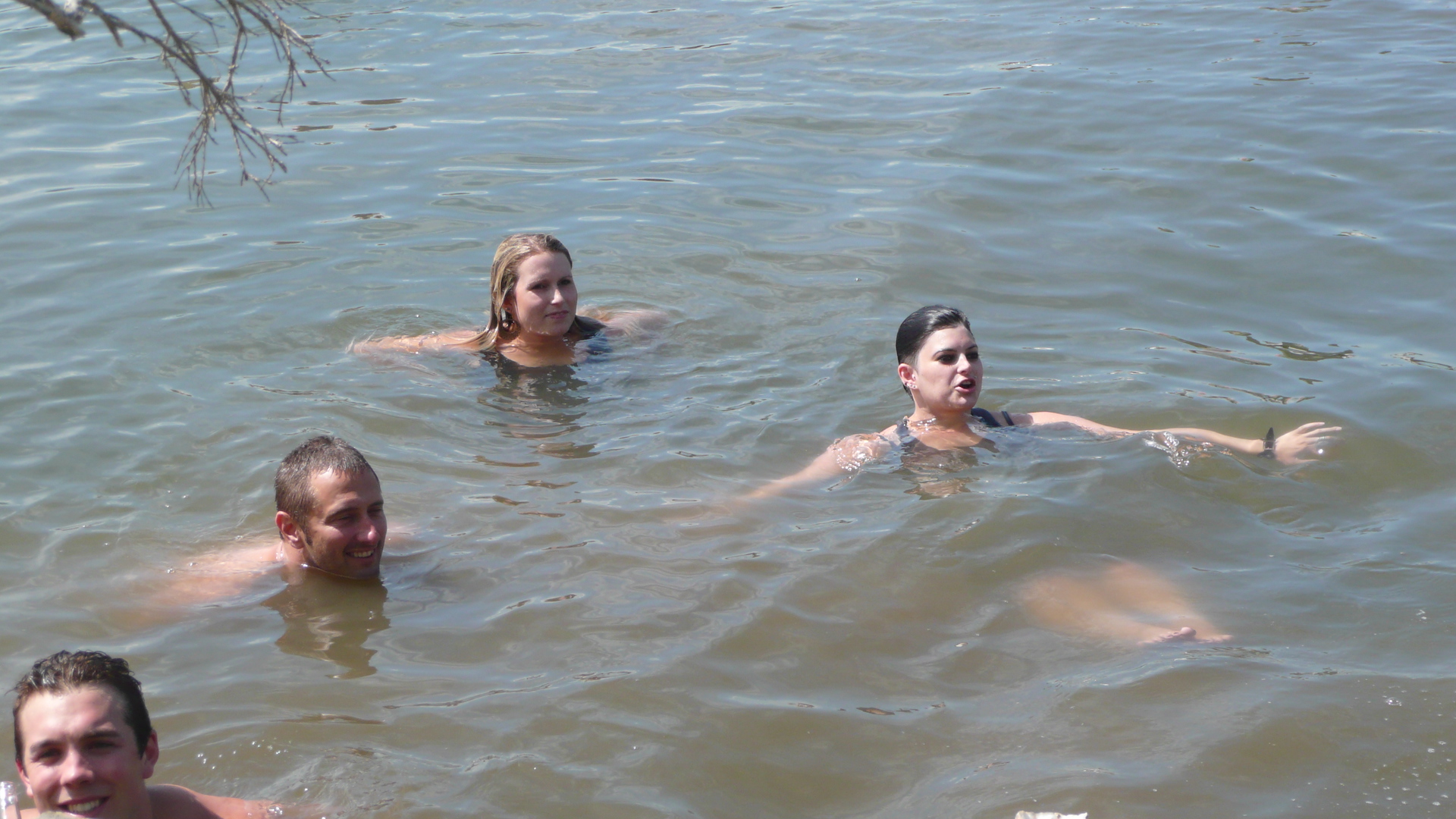
With temperatures exceeding 30 degrees in recent heatwaves, the popularity of wild – or outdoor – swimming that acted as an antidote to pandemic loneliness, has moved up a gear, as people head to Britain’s lakes and rivers to cool down and reap the many physical and mental rewards of swimming in the great outdoors.

And it’s not just in Britain. Around the world open swimming has become hugely popular in recent years, partly due to its positive impact on wellbeing. In the ‘constantly connected’ online age, wild swimming provides the chance to digitally detox, reconnect with nature, and experience a unique sense of freedom.

Such is the growing popularity and prestige of wild swimming that the FINA World Aquatics Championships 2022 in Budapest is hosting Open Water Swimming events from 26 – 30 June.

If you are planning on enjoying some wild swimming this summer, it’s worth remembering that sharing water with the UK’s impressive wildlife should be done so in an environmentally conscious and sustainable way, with respect for the climate and environment.

True, water companies have been doing a very good job of trashing the country’s rivers and waterways in recent years (sop you should always check that your desired location is actually safe), but that doesn’t mean you shouldn’t look out for the ducks, fish and other water life too.

How to respect the environment when outdoor swimming?

Use an eco-friendly sunscreen

Ingredients found in many sunscreen products, such as octinoxate and oxybenzone, can be toxic to marine species. Being chemical-free, made from organic ingredients, while offering protection from UVA and UVB rays, environmentally friendly sunscreen is the perfect choice when swimming in environmentally sensitive ecosystems.

Advertising helps fund Big Issue’s mission to end poverty
Advertisement

Avoid leaving anything behind

Litter has a seriously detrimental effect on wildlife and plants. By 2050, experts estimate that there will be more rubbish in our waters than fish.

It might sound obvious but avoid leaving anything behind at the water’s edge, such as leftover food, drink, or plastic bags. If you see any litter, pick it up and discard it in an appropriate place, to help keep wildlife protected from the dangers of litter.

Avoid altering the natural environment

Human presence can potentially damage delicate natural areas, so wild swimmers should be careful to avoid altering natural habitats. Swimmers should only use appropriate access points to enter the water and avoid climbing on natural features, such as dry-stone walls and hedges.

Keep reading the journalism that powers our mission

Register free to continue and learn more about the stories, campaigns and the support we provide, helping people facing poverty across the UK.

Taking a pebble or shell as a keepsake of your wild swimming adventures might sound harmless, but it could have an impact on coastal erosion, natural flood defences and wildlife habitats. Removing stones from public beaches is, in fact, illegal under the Coastal Protection Act 1949.

Watch out for reeds

Avoid swimming into dense weeds and reeds, which can not only be dangerous for swimmers but it can also potentially be damaging to fish, such as pike, which like to hide in submerged freshwater vegetation.

Keep your distance from nesting sites

Witnessing the diverse and wonderful birdlife that live near Britain’s freshwater sites is another captivating charm of wild swimming.

Though it’s important to be mindful of the presence of birds, particularly during nesting season. Riverbanks, fallen wood, trees and sand dunes are common places for birds to nest. Noise or movement can cause adult birdlife to abandon nests, something wild swimmers should be aware of. 

Advertising helps fund Big Issue’s mission to end poverty

Do you know how Big Issue 'really' works?

Watch this simple explanation.

Recommended for you

Read All
How the Big Grow is strengthening communities and building resilience through growing food
Tatiana Hardy tends her school garden as part of the Big Grow project
Food

How the Big Grow is strengthening communities and building resilience through growing food

A new Bhopal disaster play asks whose lives are considered expendable in the pursuit of profit?
Linnea Berthelsen in Darkling, a play about the Bhopal disaster
Theatre

A new Bhopal disaster play asks whose lives are considered expendable in the pursuit of profit?

Veteran and double amputee Rick Clement turns to YouTube to open up countryside to wheelchair users
Rick Clement with his dog in the UK countryside
Environment

Veteran and double amputee Rick Clement turns to YouTube to open up countryside to wheelchair users

Hedge funds want to take control of Thames Water. What could it mean for bills?
a person washing their hands with water
Thames Water

Hedge funds want to take control of Thames Water. What could it mean for bills?

Most Popular

Read All
Renters pay their landlords' buy-to-let mortgages, so they should get a share of the profits
Renters: A mortgage lender's window advertising buy-to-let products
1.

Renters pay their landlords' buy-to-let mortgages, so they should get a share of the profits

Exclusive: Disabled people are 'set up to fail' by the DWP in target-driven disability benefits system, whistleblowers reveal
Pound coins on a piece of paper with disability living allowancve
2.

Exclusive: Disabled people are 'set up to fail' by the DWP in target-driven disability benefits system, whistleblowers reveal

Cost of living payments: Where to get help in 2025 now the scheme is over
next dwp cost of living payment 2023
3.

Cost of living payments: Where to get help in 2025 now the scheme is over

Citroën Ami: the tiny electric vehicle driving change with The Big Issue
4.

Citroën Ami: the tiny electric vehicle driving change with The Big Issue