Advertisement
Environment

How you can help boost bee and butterfly populations with a new government app

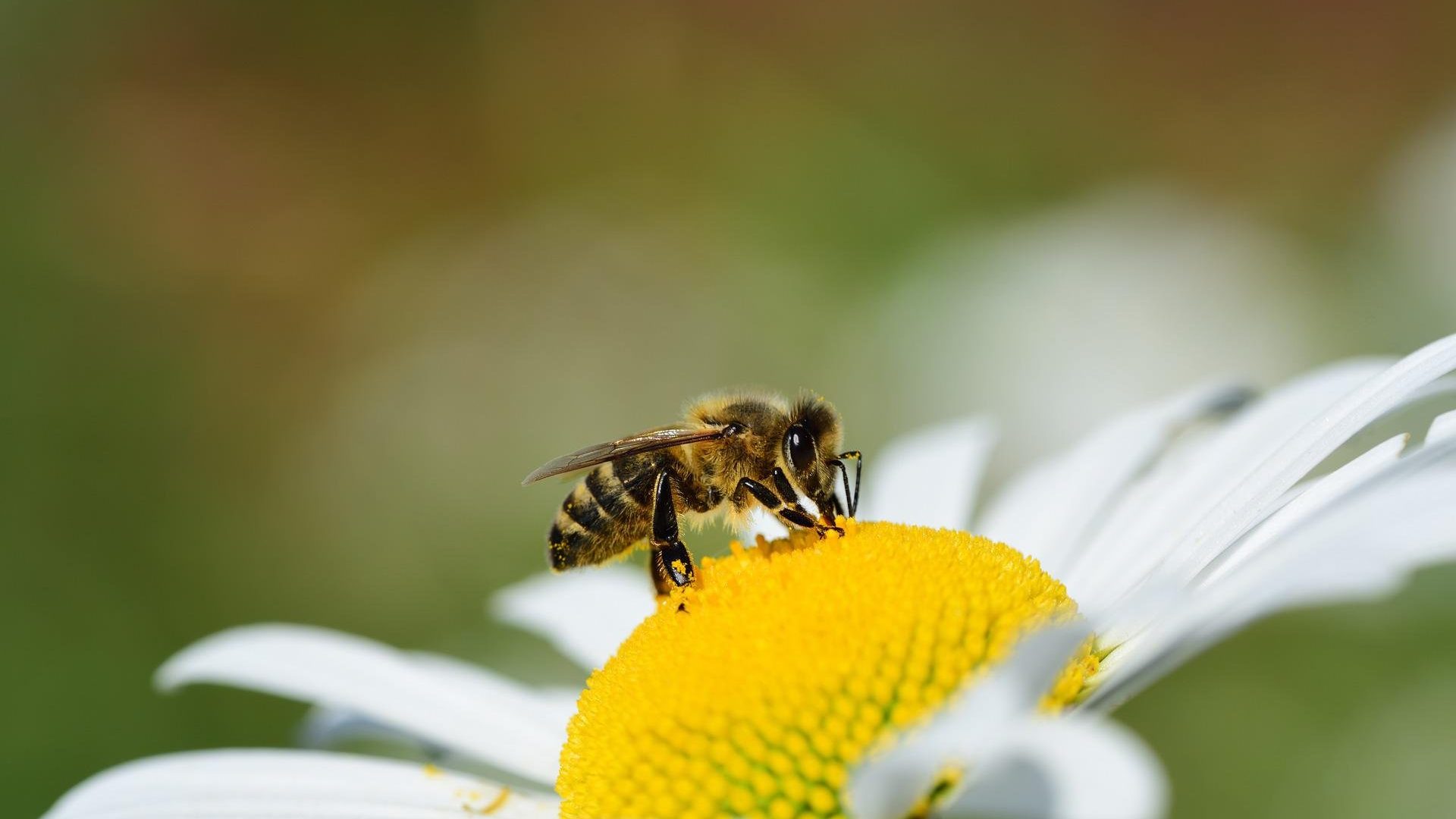
A new app for counting bees, butterflies and other pollinators hopes to boost populations across the country and improve biodiversity.

The government is calling on the public to help boost bee, butterfly and pollinator populations using a free app for counting the creatures at home.

The app, FIT Count, allows users to track the number and movements of pollinators in their local area, with the resulting data used to help protect and increase their numbers. 

It comes as the government launches its new “pollinator action plan” to reverse severe declines in the number of bees, butterflies and other insects. 

In May, a study by insect charity Buglife revealed that insect populations have nosedived by as much as 60 per cent in Britain in the last 20 years, sounding alarm bells over the potential collapse of the wider ecosystem. 

FIT Count, developed by the Department of Environment and Rural Affairs (Defra) in conjunction with the UK Centre for Ecology & Hydrology, asks users to spend ten minutes a day collecting data on how many insects visit particular kinds of flowers, like dandelions and buttercups.

The data will be collated in a database to give the government and conservation bodies a clearer picture of the state of insect populations and decline across the UK.

Advertising helps fund Big Issue’s mission to end poverty
Advertisement

The app forms part of the government’s new action plan for pollinators, which will focus on several key areas to boost populations, including: 

  • Improving data collection on pollinators to identify trends
  • Managing land more effectively to improve habitats 
  • Supporting beekeepers and bee farmers in maintaining bee health
  • Engaging the public with the issue of pollinator decline and encouraging them to take action

The decline in pollinator populations has suffered from a visibility problem, with large parts of the public unaware of the problem or how severe it is. Last month, The Big Issue visited a nature reserve to explore the issue of “invisible extinction” in the insect world.

Insects have a vital role in food production and the wider ecosystem. It’s estimated that insects contribute the equivalent of more than £500 million a year to UK agriculture and food production.

Keep reading the journalism that powers our mission

Register free to continue and learn more about the stories, campaigns and the support we provide, helping people facing poverty across the UK.

Introducing the new FIT Count app, Environment Minister Rebecca Pow said:

“We all want to see an abundance of butterflies and bees in our gardens, parks and countryside. 

“We are encouraging people to give just ten minutes of their time to count the pollinating insects they see using this app to help us track their numbers and movements, and support our efforts to reverse the decline of these vital species.”

Other actions people can take to support insect populations include letting grass grow wild, planting wildflowers and avoiding pesticides where possible. 

Advertising helps fund Big Issue’s mission to end poverty

Do you know how Big Issue 'really' works?

Watch this simple explanation.

Recommended for you

Read All
How the Big Grow is strengthening communities and building resilience through growing food
Tatiana Hardy tends her school garden as part of the Big Grow project
Food

How the Big Grow is strengthening communities and building resilience through growing food

A new Bhopal disaster play asks whose lives are considered expendable in the pursuit of profit?
Linnea Berthelsen in Darkling, a play about the Bhopal disaster
Theatre

A new Bhopal disaster play asks whose lives are considered expendable in the pursuit of profit?

Veteran and double amputee Rick Clement turns to YouTube to open up countryside to wheelchair users
Rick Clement with his dog in the UK countryside
Environment

Veteran and double amputee Rick Clement turns to YouTube to open up countryside to wheelchair users

Hedge funds want to take control of Thames Water. What could it mean for bills?
a person washing their hands with water
Thames Water

Hedge funds want to take control of Thames Water. What could it mean for bills?

Most Popular

Read All
Renters pay their landlords' buy-to-let mortgages, so they should get a share of the profits
Renters: A mortgage lender's window advertising buy-to-let products
1.

Renters pay their landlords' buy-to-let mortgages, so they should get a share of the profits

Exclusive: Disabled people are 'set up to fail' by the DWP in target-driven disability benefits system, whistleblowers reveal
Pound coins on a piece of paper with disability living allowancve
2.

Exclusive: Disabled people are 'set up to fail' by the DWP in target-driven disability benefits system, whistleblowers reveal

Cost of living payments: Where to get help in 2025 now the scheme is over
next dwp cost of living payment 2023
3.

Cost of living payments: Where to get help in 2025 now the scheme is over

Citroën Ami: the tiny electric vehicle driving change with The Big Issue
4.

Citroën Ami: the tiny electric vehicle driving change with The Big Issue