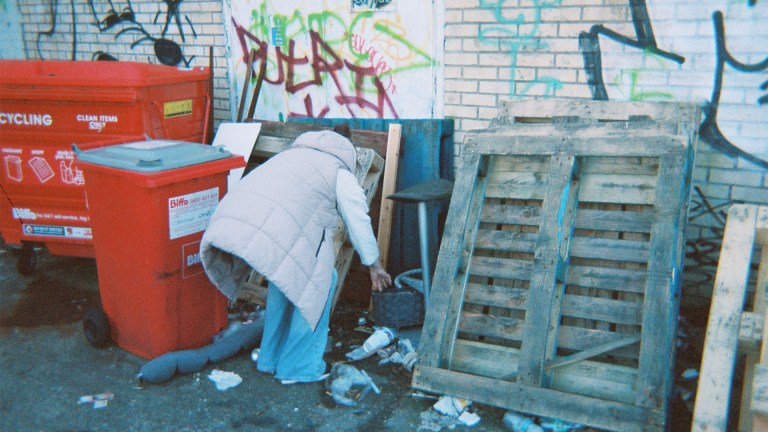
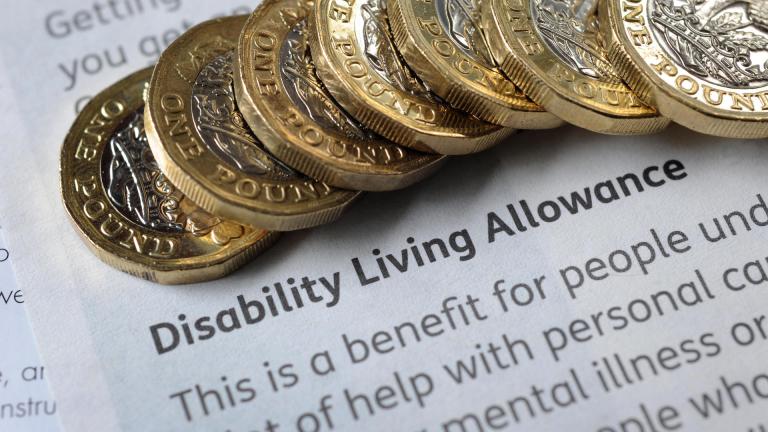
Homelessness is soaring day by day, week by week, all around the country. Both the cost of living crisis and the housing crisis have meant more and more people are facing deprivation. Rough sleeping is of course the most visible kind of homelessness, but the majority of those living without a permanent place to call home remains hidden. Some statistics we might know about: the headcounts that happen in urban areas where folk are more easily crosschecked against monitoring data.
But in the countryside and all around our coastline I know there are many more people who live off grid, for example in woodland, coastal caves and caravan parks, who, existing away from societal constraints don’t often count within society’s definition of homelessness.
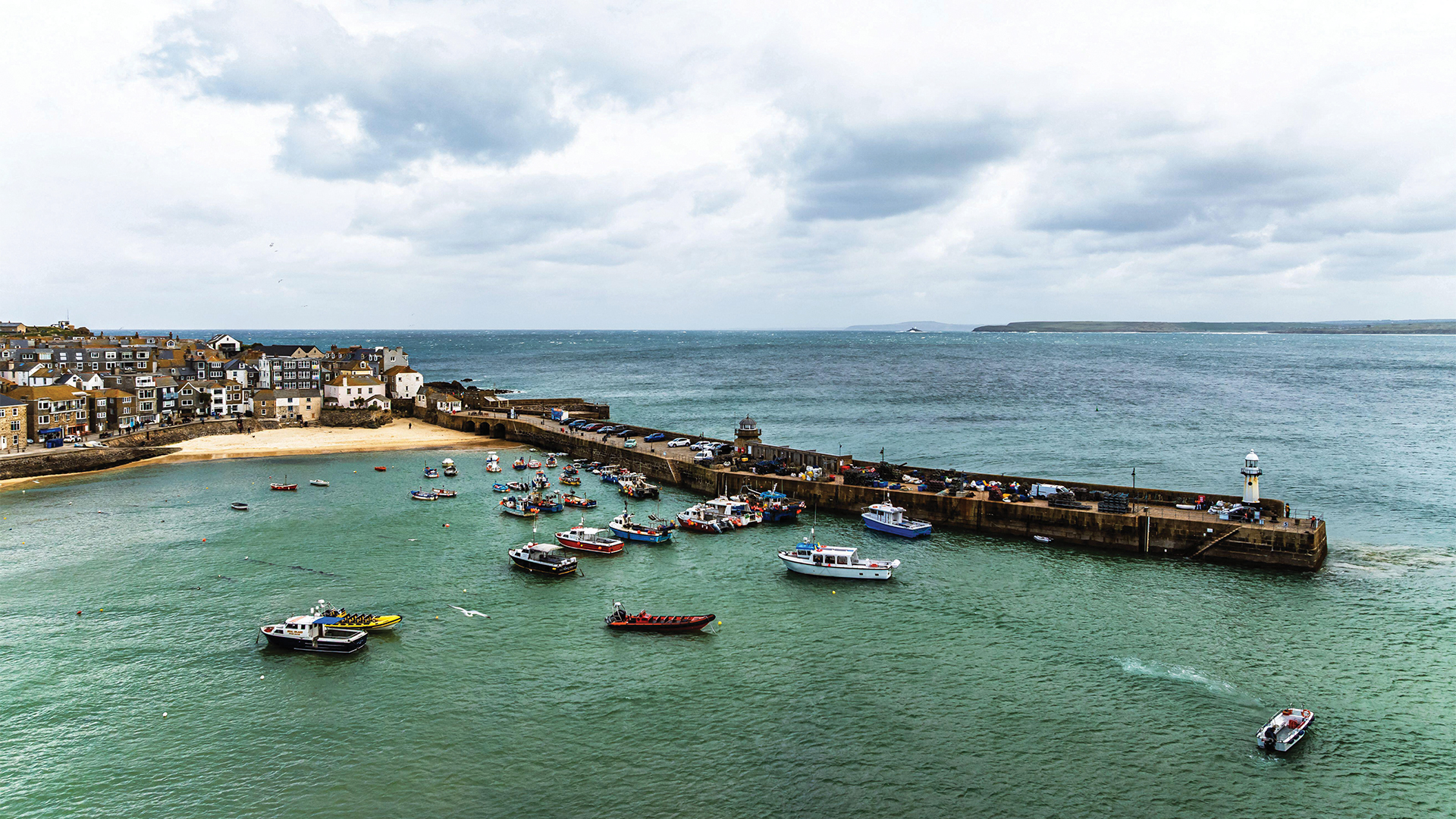
If you walk along any part of Britain’s coast in summer you will never be too far away from a holiday park or caravan site, all sunshine soaked with the usual holiday vibes of kids playing, people laughing and the smell of barbecues carrying on the wind, but come winter you are greeted with a different kind of atmosphere, where the only sound and smell to hit you is the whirr and acrid diesel smoke of generators in constant use in order to heat the caravans and keep the damp and mould at bay. This is the same for coastal B&Bs too, and every type of emergency (not fit for purpose) accommodation.
Keep reading the journalism that powers our mission
Register free to continue and learn more about the stories, campaigns and the support we provide, helping people facing poverty across the UK.
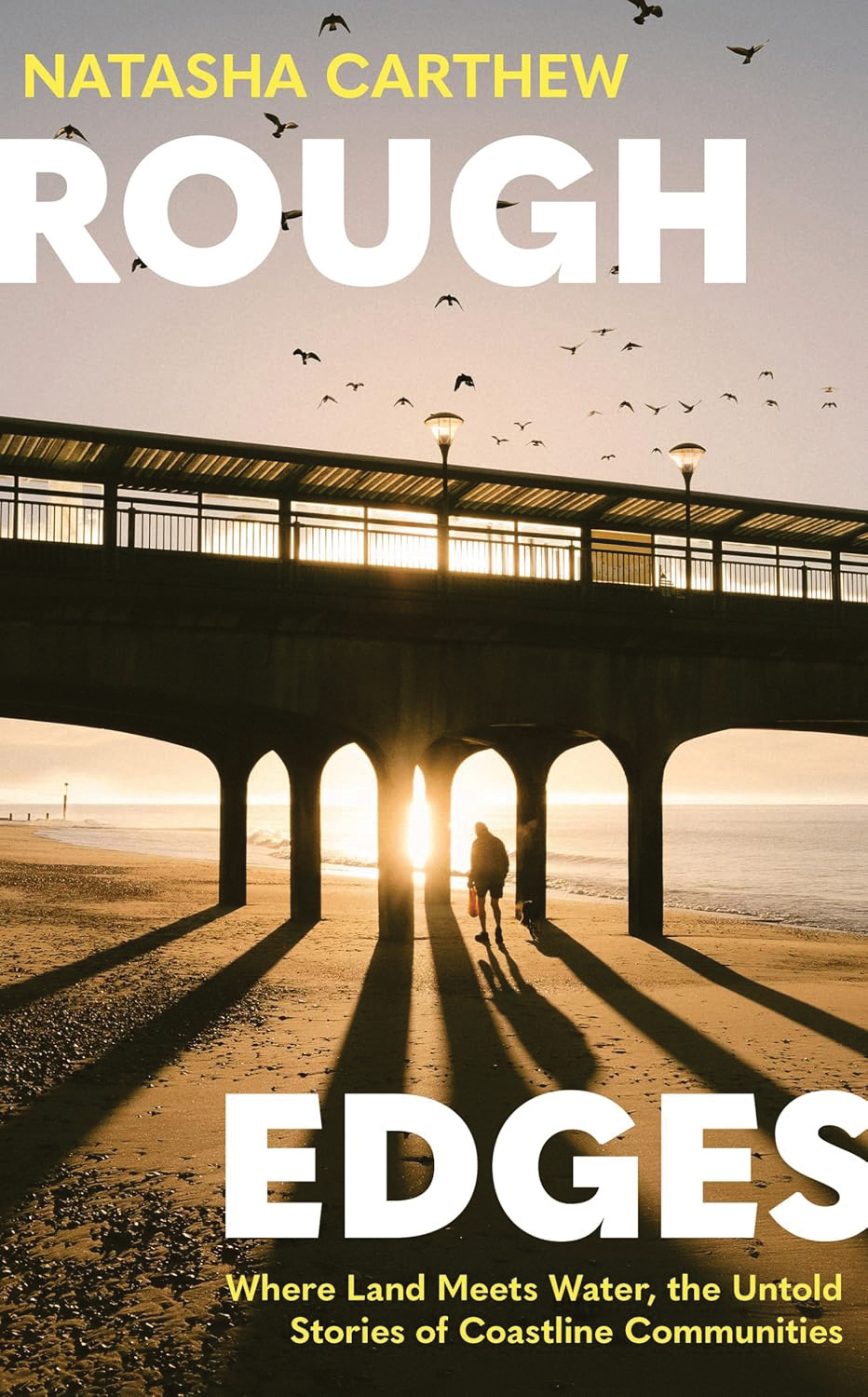
When I started writing Rough Edges, my new book that documents the untold stories of coastline communities, I wanted to talk to as many people around the coast of Britain as possible, but I hadn’t factored in how many people wanted to talk to me. From fishermen to single mothers, pensioners to homeless youths and truanting kids, everyone had a story to tell, a story about not just the hardship of living in poverty along our shoreline but their determination that the future held something better for them too.
The British coastline is mostly forgotten except for a few weeks of the year, but the people who live there can teach us how better to appreciate it, perhaps by renting accommodation that is purpose built for holidays, by buying locally sourced food; even by supporting public transport which means the local bus route is more likely to stay open out of season.
The bottom line is to have a little empathy for those who live between the giant unaffordable houses that line the coast, because those people might live in a scenically beautiful part of the country, but you can’t feed yourself or your family off a beautiful view.
Are staycations the way forward?
There’s no doubt that the current oil crisis is starting to have an effect on people’s lives, and not just the practical dilemma of heating or not heating your house or heading off on a long drive at the weekend, but whether you should book your highly anticipated summer holiday.
For many people, a week or two off work to spend soaking up the sun is their one and only annual extravagance (often a costly one). So it’s understandable that so many of us, fearing high flight prices and long queues at the airport, only to find our flight has been cancelled, will be looking to holiday a little closer to home.
British holiday establishments are preparing for a surge in bookings for homegrown summer breaks amid the threat of jet fuel shortages and cancellations by airlines, because in truth you can’t beat the British coastline when you factor in its unique beauty, and the history and culture of so many regional places.
In the same way that people reacted when the nation’s pandemic restrictions were lifted, folk just crave the certainty of a nice holiday by the sea to lift their spirits and lower their heart rates.
As someone born and raised on the coast of Cornwall, I don’t need to tell you that there’s nowhere that makes you feel better than a week spent by the sea, and the good news is this summer you can give yourself an extra pat on the back because you will be supporting coastal tourism – an industry that has been floundering for many years now.
Seaside tourism has always been seasonal in nature and dependent on good weather, but the decline of visitors to the coast in favour of international tourism over the decades has exacerbated these fluctuations. This is why it’s so important to support coastal economies by splashing a little cash at the ocean. Just remember to keep the ecosystems healthy by supporting all the local businesses and booking accommodation that hasn’t pushed inhabitants to the kerb in the summer months.
When you visit the beach, opt for ones that don’t feature in the usual guidebooks so the environment doesn’t suffer. And don’t forget, in Britain nobody is further than 80 miles from the coast – that’s the beauty of living on an island.
Rough Edges: Where Land Meets Water, the Untold Stories of Coastline Communities by Natasha Carthew is out on 4 June (Hodder & Stoughton, £20). You can order it from the Big Issue shop on bookshop.org, which helps to support Big Issue and independent bookshops.
Do you have a story to tell or opinions to share about this? Get in touch and tell us more.
Change a vendor’s life.
Buy from your local Big Issue vendor every week – and always take the magazine. It’s how vendors earn with dignity and move forward.
You can also support online: Subscribe to the magazine or support our work with a monthly gift. Your support helps vendors earn, learn and thrive while strengthening our frontline services.
Thank you for standing with Big Issue vendors.