Generation Rent chief executive Holly Williamson said: “Homes are the foundations of our lives, so it is hugely disappointing the government has maintained the freeze of local housing allowance.
“When housing benefit doesn’t cover the rent it forces families into impossible decisions, traps them in poverty and leaves them vulnerable to homelessness, with councils picking up the pieces. This decision also brings into question the government’s goal of ending rough sleeping, as it will mean there are very few affordable long-term homes for people currently sleeping rough.
“The government must tackle the root cause of the rental affordability crisis in our country by limiting annual rent increases, ensuring rents cannot continue to rise faster than wages and helping reduce the long-term cost to the taxpayer.”
Keep reading the journalism that powers our mission
Register free to continue and learn more about the stories, campaigns and the support we provide, helping people facing poverty across the UK.
Why were anti-poverty campaigners calling for local housing allowance rates to rise?
Private rents across the UK rose by an average of 3.8% in the year up to September 2026, recent Office for National Statistics figures showed.
Estimates from Renters’ Rights Coalition have calculated that renters could see an extra £700 paid on rent in the next year, denting some of the cost-of-living support the government pledged at the budget.
Clara Collingwood, director at the Renters’ Rights Coalition, said: “If rent growth remains the same, the average tenant in England will be £700 poorer by this time next year.
“While the government are right to help households save where we can, the cost of renting crisis dwarfs any benefits people might feel from today’s budget tinkering. We need an urgent cap on rent increases to reduce poverty and prevent homelessness and make sure any savings this budget brings stays in the pockets of renters.”
The decision to freeze local housing allowance leaves low-income renters facing an even greater challenge as housing benefit will not keep up with rent rises.
Rents have risen by 23.3% since the last time LHA rates were uprated, meaning the affordability gap between private rents and housing benefit has increased.
That gap is now at a record high, equivalent to £170 a month for a typical family in a two-bedroom home, according to Resolution Foundation analysis and is now set to rise.
With social housing stock falling due to the Right to Buy scheme and a failure to build enough homes, low-income households have little choice but to look to the private rented sector.
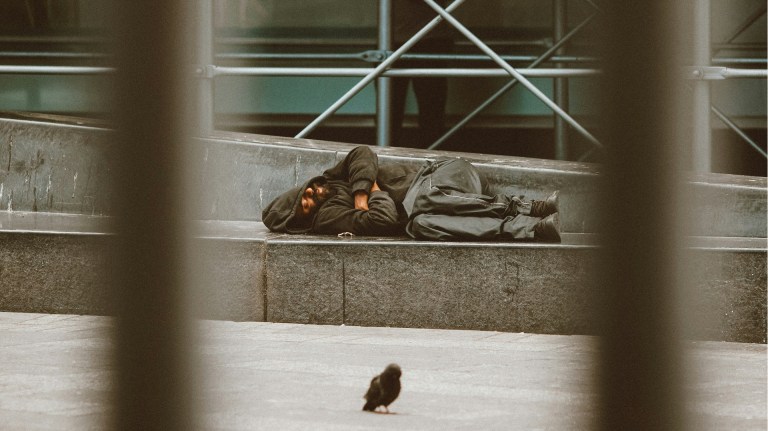
The alternative for many is homelessness. Councils are spending almost £3 billion a year in housing more than 135,000 households in temporary accommodation across England.
Ahead of the budget, an open letter signed by more than 40 organisations, including Shelter, Crisis and Homeless Link, called on the prime minister and chancellor to unfreeze LHA rates, arguing it would “give millions of low-income private renters some much needed breathing space”.
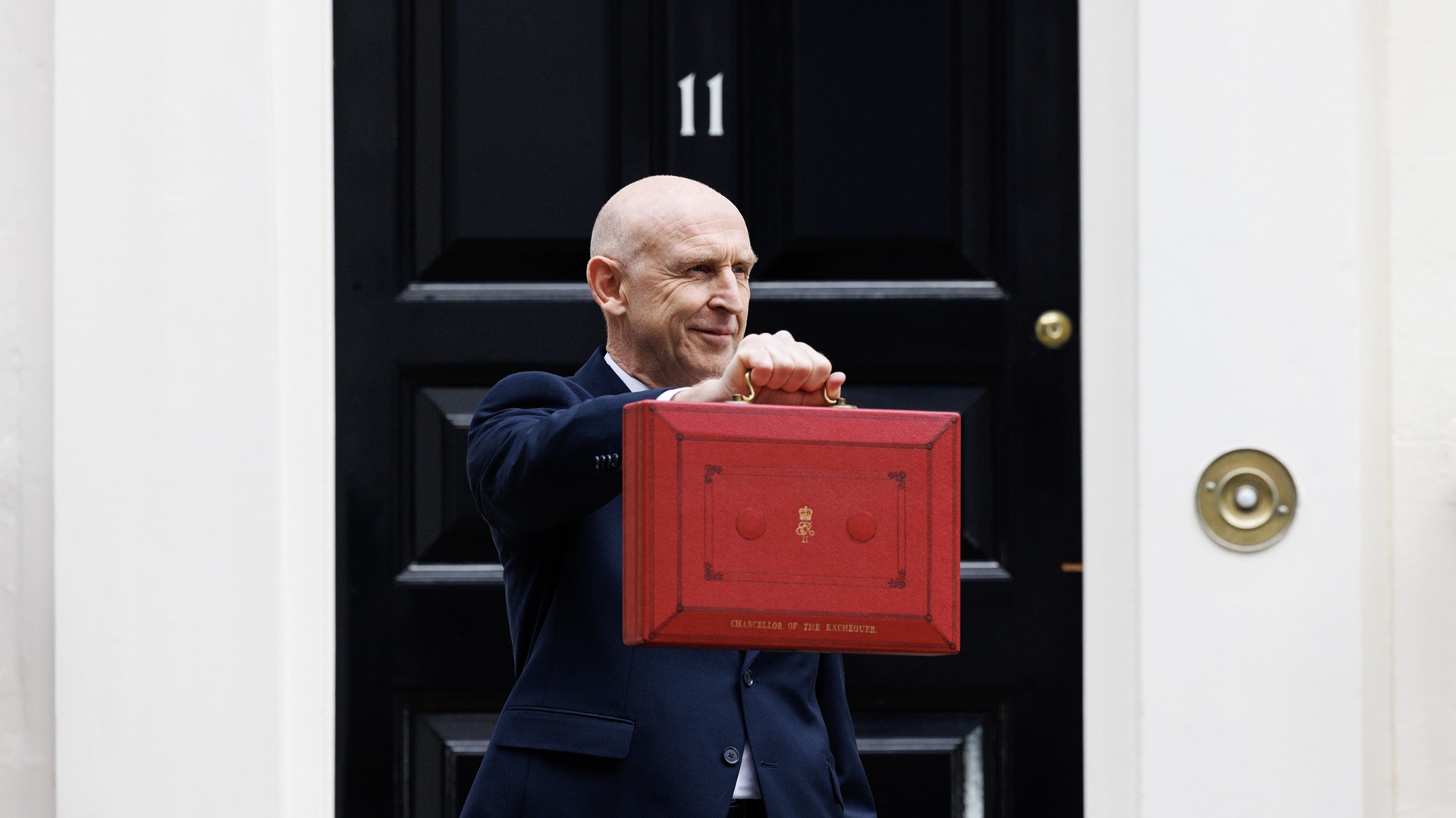
Burnham previously argued for LHA to be unfrozen while Greater Manchester mayor. He also recently rejected a Conservative proposal to cut LHA rates to save £4bn to fund defence spending.
“I do not think that taking £4 billion out of housing benefit is going to get the right consensus around this issue. That would create levels of homelessness in this country that we would not have seen before, with hundreds of thousands of children in temporary accommodation,” said Burnham.
“I say that, yes, we do everything to support our national security, but it cannot come at the expense of social security.”
Read more:
What else was announced on housing and homelessness in the autumn budget?
In other housing and homelessness announcements, the government confirmed an extra £1.5bn for the social and affordable housing programme to deliver more social rent homes over the next decade. The government expects the programme to deliver 180,000 new social homes between 2026 and 2036
There was also confirmation that funding to deliver on Andy Burnham’s rough sleeping pledge will be doubled to £874m to “keep the offer a route off the streets open for the rest of this parliament”.
New details were revealed around the government’s Your First Home scheme.
The Help to Buy-style policy promises to give first-time buyers a new-build home for a 2.5% deposit alongside a government-backed equity loan of up to 20% of the property’s value. It aims to help people who do not have support from parents to get on the housing ladder.
Emma Haddad, chief executive of homelessness charity St Mungo’s, said: “Alongside the funding for rough sleeping, we welcome the government’s ambitions to build more social and council housing.
“But today’s budget has missed the opportunity to make renting more affordable for people recovering from homelessness by unfreezing local housing allowance. Many of the people we support are struggling to move into private rented homes due to extortionate rents that benefits and low incomes simply don’t cover. To properly prevent homelessness, housing must be accessible and reflect the real cost of renting.
“Today’s budget has given us the potential to make incredible progress to end rough sleeping. But to end homelessness in all its forms, people need more than a route off the streets: they need a home they can afford.”
Do you have a story to tell or opinions to share about this? Get in touch and tell us more.
Change a vendor’s life.
Buy from your local Big Issue vendor every week – and always take the magazine. It’s how vendors earn with dignity and move forward.
You can also support online:
Subscribe to the magazine or support our work with a monthly gift. Your support helps vendors earn, learn and thrive while strengthening our frontline services.
Thank you for standing with Big Issue vendors.