The scale of their contribution is remarkable. More than 400 baby banks now operate across the UK. In 2025, they distributed 19 million essential items and supported 400,000 children. That vital support has helped reduce the financial stress on families, helped them feel less isolated and helped to give babies and young children a healthy routine which is so important for their development and future outcomes.
Those are not the numbers of a niche charitable movement. They are the numbers of a critical national service.
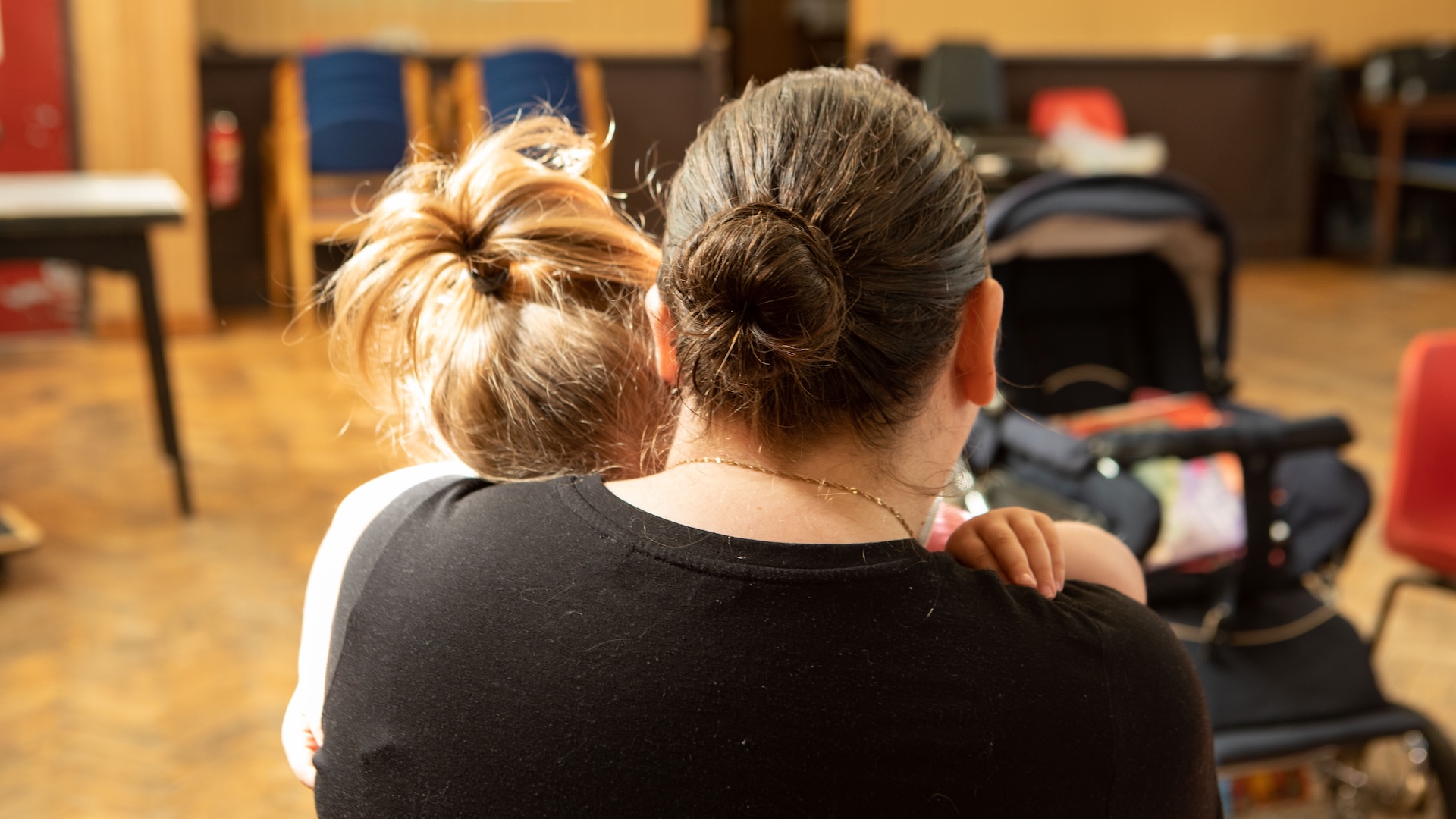
Increasingly, baby banks are responding to children without beds, families in crisis arriving in temporary accommodation where no essentials for babies and children are provided. No clothes, no blankets, no nappies. When support is needed, turning families away is rarely an option.
Keep reading the journalism that powers our mission
Register free to continue and learn more about the stories, campaigns and the support we provide, helping people facing poverty across the UK.
Many professionals recognise how important baby banks are to their work. As one midwife who refers to Sebby’s Corner in Barnet said: “You don’t know how many lives you have changed.”
Yet there is a striking disconnect: while baby banks are increasingly relied upon by services across the country, they remain largely invisible in national policy, funding and strategic decision-making. They’re not listed as an eligible form of crisis support in the Crisis and Resilience Fund. They weren’t even mentioned in the government’s Child Poverty Strategy. And this is despite many already playing a strategic role in local and regional efforts to tackle child poverty, working alongside councils, mayors, health services and family support networks to reach families facing hardship.
The government’s commitment to babies and young children presents an opportunity to change that. Under current plans, up to a thousand more Family Hubs will provide services such as infant feeding support, parent-infant bonding support and improved access to parental mental health services. Family Hubs are also expected to help families access support with finances and the cost of living, creating a strong case for closer links with local baby banks.
Not every local authority has a baby bank, but many do, and where they exist many are already collaborating with their local Family Hubs through existing relationships. Some refer families to one another. Others share space, co-locate services or operate from the same premises, making it easier for families to access support and for professionals to make referrals. No two partnerships look exactly alike, but evidence of integrating baby banks with family hubs shows a positive impact for families is growing.
At Leeds Baby Bank for example, host a Health Equity Midwives drop-in at their Community Hub, providing pregnant women with a welcoming space to access maternity support, ask questions and connect with other local services. At BabyStuff in Braintree, their local Family Hub can access items outside of the baby bank time via a cupboard that the baby bank keep stocked. At Home-Start in West Berkshire their local Family Hub stored donations for the baby bank, collected from their community. Many already provide community activities, signposting and practical support that align closely with Healthy Babies and Family Hub objectives.
That is why devolution matters. The right model will vary from place to place depending on local need, existing services and the strength of the voluntary and community sector. Local leaders – and the baby banks themselves – are best placed to understand what works in their communities and build partnerships accordingly.
In Sheffield, for example Baby Basics has worked with South Yorkshire Mayor Oliver Coppard on the Beds for Babies: Safer Space to Sleep project, helping ensure children aged from newborn to five have access to a safe place to sleep. Since June 2024, working across all four local authority areas and with three baby banks, over 10,000 packages of support, including Moses baskets, cots, cot beds, toddler beds, mattresses and bedding bundles have been delivered to families. This is a powerful example of what can be achieved when regional leaders recognise, invest in and collaborate with community organisations already making a difference.
But local flexibility should not mean national invisibility.
Baby banks are already part of the family support infrastructure in many communities. Their close relationships with families, health professionals and local services make them well placed to identify need, reduce stigma and connect parents with wider support, helping create a more joined-up system for early years provision.
The question is not whether baby banks have a role to play. They already do. The question is whether government will recognise them as the essential service they have become.
The time to recognise the crucial work of baby banks is now. They should be included and properly integrated into be the national Child Poverty Strategy, Crisis and Resilience Funds, and Best Start in Life and Family Hubs. Trusted by families and professionals, they provide practical help, reduce stigma and connect families to wider support. If we’re serious about giving every child the best start in life, baby banks must be seen as part of the long-term plan.
Hannah Pentithis executive lead at the Baby Bank Alliance.
Do you have a story to tell or opinions to share about this? Get in touch and tell us more.
Change a vendor’s life.
Buy from your local Big Issue vendor every week – and always take the magazine. It’s how vendors earn with dignity and move forward.
You can also support online:
Subscribe to the magazine or support our work with a monthly gift. Your support helps vendors earn, learn and thrive while strengthening our frontline services.