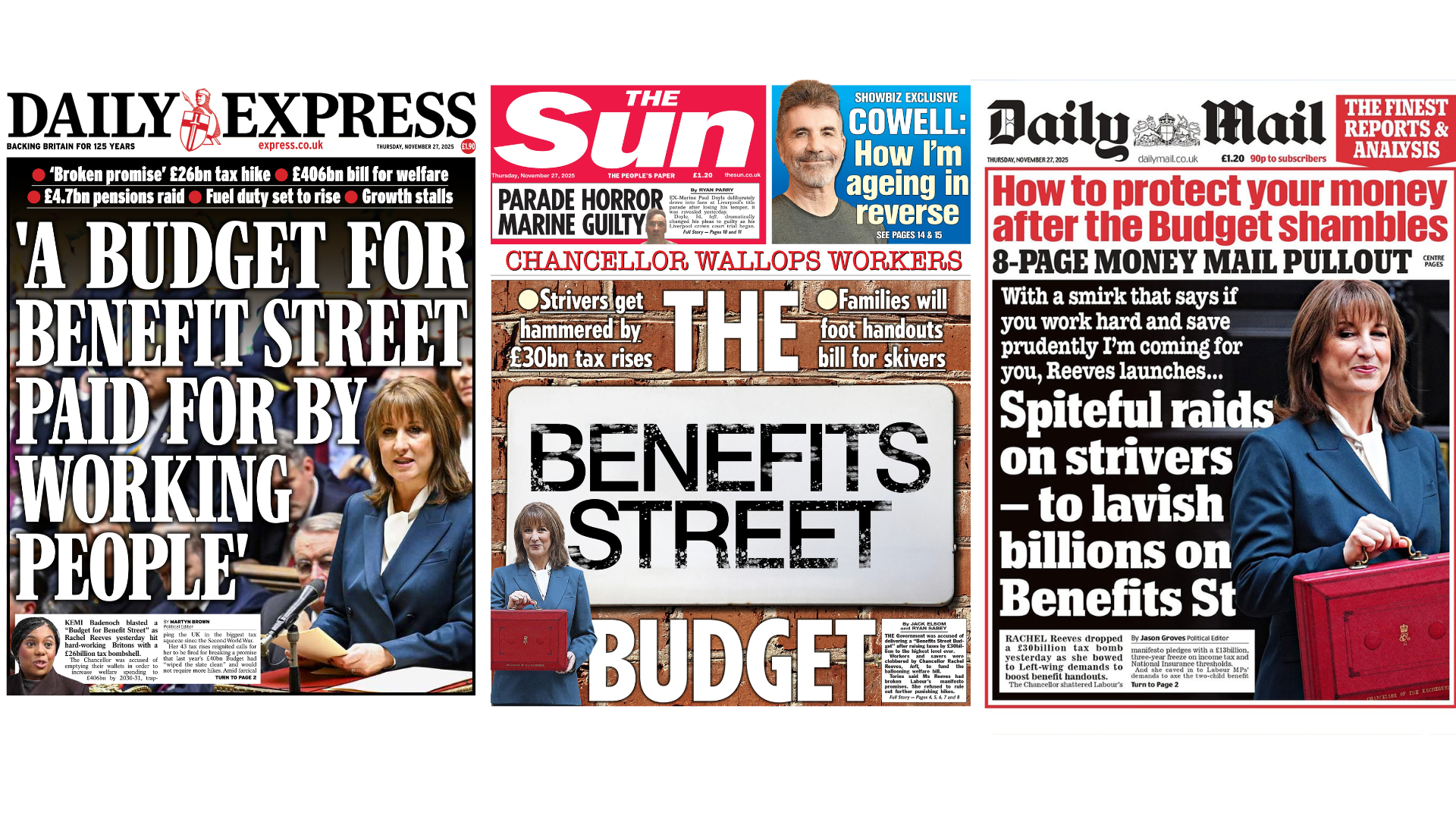
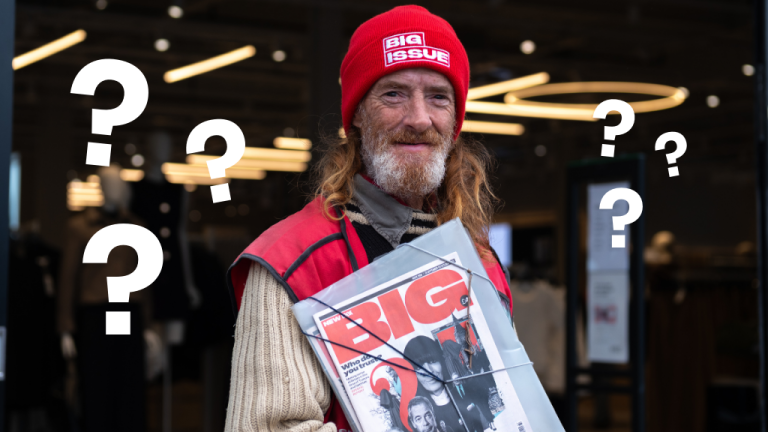
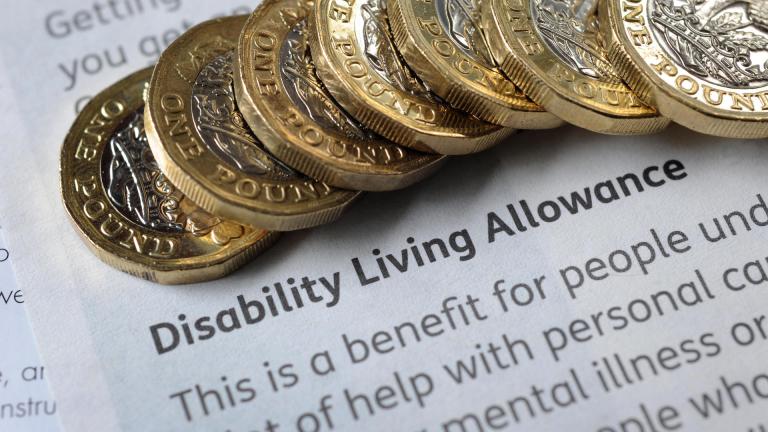
So what’s happening here? It’s likely that a huge part of it is down to stigma and stereotypes of benefit claimants, spurred on by rhetoric used by tabloids and politicians.
It’s also because the two-child limit is a complicated policy, as is much of the benefits system, which means there are fundamental misunderstandings around it.
The Big Issue has reported extensively on the realities of the benefits system. It can be a harrowing process and the people going through it are often deeply vulnerable. There is so much shame and stigma around the benefits system that people often don’t claim the support they need.
More than £24 billion in benefits and other financial support is set to go unclaimed this financial year, according to estimates from Policy in Practice.
Here are a few of the myths that we often see circulated about the benefits system – debunked. Perhaps keep some of these facts handy when someone tries to tell you that benefit claimants shouldn’t be helped.
Myth 1: Benefit claimants are ‘scroungers’ who don’t work
Millions of benefit claimants work and pay taxes. Nearly four in 10 universal credit claimants are in employment, according to the latest government data.
Advertising helps fund Big Issue’s mission to end poverty
Those who are not employed are required to look for work as if it was a full-time job, unless they are exempt. Sanctions are used to ensure people stick to the rules.
There are a number of reasons why employed people might need benefits. It could be that their employer does not pay them enough, or that they are unable to work full time.
People may not be able to work because they are ill or disabled. They might be a single parent with young children who are unable to afford extortionate childcare fees. Or they may be a full-time unpaid carer for a disabled or unwell child or adult.
You might need the benefits system at some point in your future. You or a loved one might become ill, forcing you to quit work. A relationship might break down or you may lose a partner, leaving you with only one income to support your family. You could be sacked from your job or made redundant.
If any of this happened to you, you would want to find a system ready to support you.
Benefit claimants aren’t scroungers. They are people who need financial support to live. But they are often met with a degrading and dehumanising system which can have the effect of worsening their mental and physical health instead of helping them get back onto their feet.
Advertising helps fund Big Issue’s mission to end poverty
Myth 2: Fraud in the disability benefits system is rampant
You might have read that people are abusing the benefits system by claiming to be ill to get disability benefits. That’s tabloid fodder.
Fraud in the disability benefits system is near zero. Government statistics show that just 0.4% of personal independence payment (PIP) was overpaid due to fraud last year.
It is slightly more common that people are overpaid due to innocent errors by the claimant, but that still only stands at 0.7%.
It’s such a complex system to navigate. Some claimants have learning disabilities or chronic illnesses which means they struggle to complete basic tasks, let alone go through the PIP assessment process without support.
The Department for Work and Pensions (DWP) makes mistakes itself. Last year, we uncovered how a disabled woman had been wrongly accused of owing the government £28,000. They apologised and she got her benefits restored – but it exposed a fundamental flaw in the system. Errors happen and it can be detrimental to people’s lives.
Myth 3: It’s easy to get disability benefits
There are about 3.7 million people claiming the main disability benefit PIP – compared with 16.8 million disabled people in the UK.
Advertising helps fund Big Issue’s mission to end poverty
We’ve heard from hundreds of people about how difficult it is to access disability benefits. People have described the “psychological trauma” they have undergone through the assessment process.
It starts with having to fill in a long form about how your disability affects you every day. It requires detail. Get this wrong and you’ll likely be refused benefits. Claimants have a month to complete this form.
After that, there’s an assessment. These are conducted face-to-face, by phone or by video call, depending on the individual’s needs. People have told us they felt forced to recount traumatic experiences in their assessment.
Others have said they felt humiliated or degraded – including comedian Rosie Jones, who has cerebral palsy and had her disability benefits cut.
We’ve spoken to amputees, people with schizophrenia and stroke survivors who have been refused disability benefits. One woman had a second stroke days after her disability benefits were cut, which she believes was a result of the stress.
The success rate for PIP is around 40%. If people choose to contest that decision, they have to take it to appeal. The first stage is called mandatory reconsideration. The success rate for that is even lower, with nearly 90% of those rejected.
Advertising helps fund Big Issue’s mission to end poverty
People have more luck when they appeal it in court, with around 70% of claimants winning PIP at tribunal stage. But by then, claimants have had to go through such a long process. It can take years. Many claimants may well have given up.
Myth 4: Universal credit claimants are getting too much money
Do you think you could survive on £400 a month? That’s the standard rate of universal credit for single people over the age of 25. Compare it to your salary. It’s about a quarter the amount that a person working full time on minimum wage gets.
If you’re under 25, universal credit only £316 each a month. That’s because the government assumes people have family members to help support them, which is not always the case.
The monthly amount for state pension, as a contrast, is £920.
Universal credit, put simply, isn’t enough for people to afford the basics. That’s things like food, transport and toiletries. Even with the increase coming in April 2026, a single person on universal credit will be £1,000 per year short of what the Joseph Rowntree Foundation estimates is needed.
That’s about £83 more needed every single month just to cover the cost of living.
Advertising helps fund Big Issue’s mission to end poverty
Myth 5: Families are going to be handed £20,000 once the two-child limit is removed
Many newspapers led with headlines that families will get an extra £20,000 a year once the two-child limit is abolished in April – but this will only apply to families with at least eight children. Only a tiny fraction of families have this many children.
Universal credit data from July 2025 indicates that only about 18,260 households had six or more children, which is 4% of all households affected by the policy.
Families will benefit from around £3,500 per third child and any subsequent children per year. That’s money that they would have had anyway if the Conservatives hadn’t introduced the two-child limit on benefits back in 2017.
Myth 6: Migrants are taking all the UK’s benefits
People who are subject to immigration control in the UK have ‘no recourse to public funds’. This means they cannot get any welfare benefits, social housing or homelessness assistance – even if they are facing destitution or living on the streets.
This includes asylum seekers who have fled horrific conflicts in their home country.
It is a condition in place for people who are on temporary visas. That could be for work, study, or because their family are based in the UK. The only reason it could be lifted is in exceptional circumstances like child welfare needs.
Advertising helps fund Big Issue’s mission to end poverty
You can only get benefits when you have been awarded indefinite leave to remain – which is now only being awarded after people have lived in the UK legally for 10 continuous years.
Alternatively, people may have been granted refugee status or humanitarian protection, or settled status from the EU settlement scheme.
Asylum seekers in the UK receive financial support of around £49.18 per person per week. This is to help them pay for things like toiletries, food, and clothing. However, if their accommodation provides meals, they get less than £10 a week.
It means asylum seekers get less than half the support awarded to a universal credit claimant – and universal credit is already not enough for people to survive.
Do you have a story to tell or opinions to share about this? Get in touch and tell us more.
Change a vendor’s life this Christmas.
Advertising helps fund Big Issue’s mission to end poverty
Buy from your local Big Issue vendor every week – or support online with a vendor support kit or a subscription – and help people work their way out of poverty with dignity.