“Through this intrusive move, the DWP is moving away from its own guidance, which stipulated that requesting information from banks was ‘a power of last resort’ and only exercisable on a case-by-case basis, where there were reasonable grounds to suspect fraud.”
Mel Stride, the secretary of state for work and pensions, clarified in parliament last month that these powers would only be used when there is a “clear signal of fraud or error”. It will not investigate claimants’ bank accounts without that evidence.
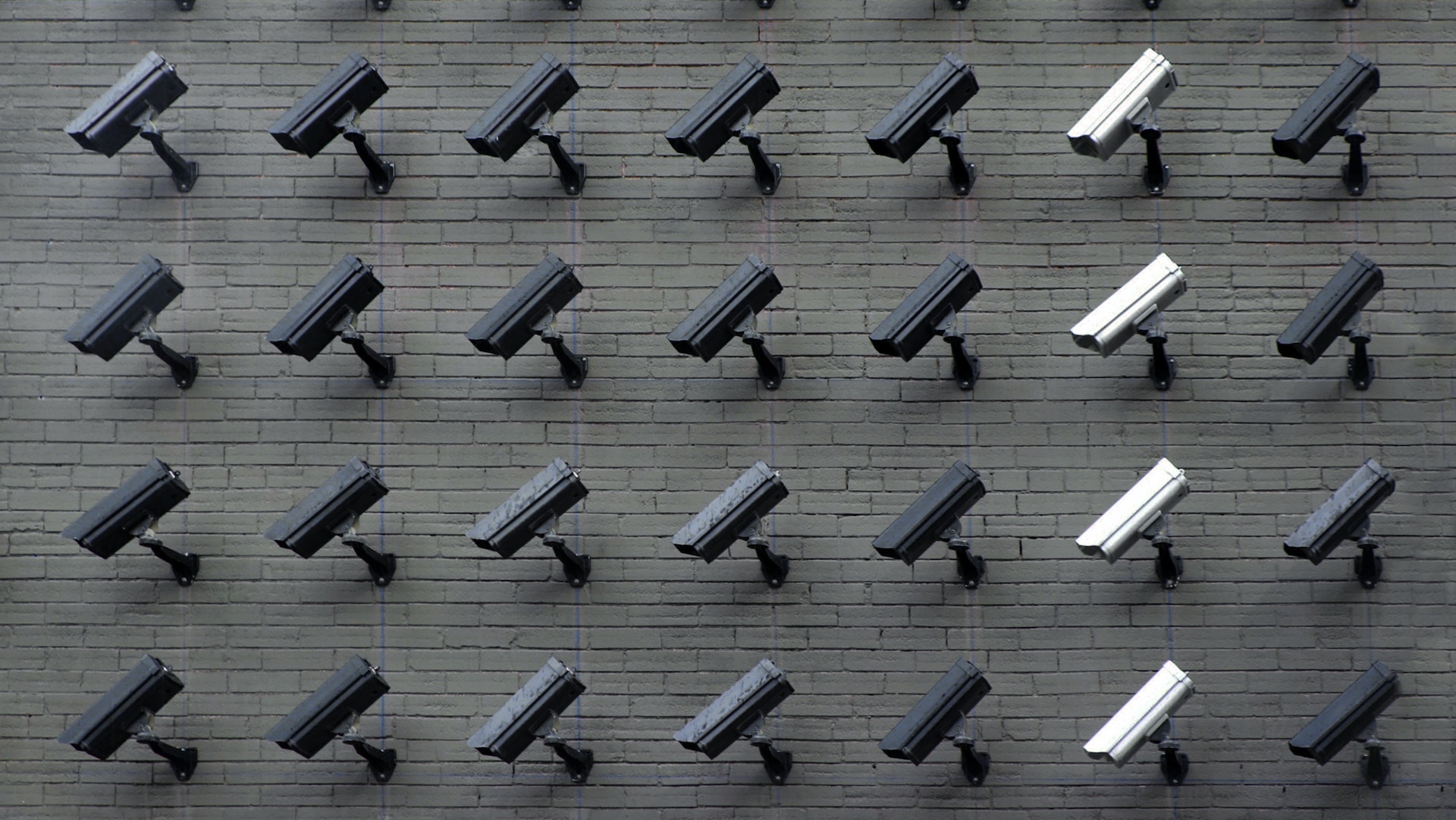
But that has not eased fears. Lord Sikka continued: “Over 22.4 million people will be targeted by this surveillance. But the account holders won’t be told anything about the frequency or depth of this organised snooping.
Continue reading for free
Registration is free and takes less than 30 seconds.
Our supporters make Big Issue’s work possible. Join us to see the impact we’re having together and discover more ways to help people facing poverty access income, opportunity and support.
“In true Orwellian double-speak, the government claims that the bill allows, and I quote, ‘The country to realise new post-Brexit freedoms’ and links the surveillance by stirring up people’s fears about benefits fraud, while there is absolutely no surveillance of those receiving public subsidies mis-selling financial products, accused of PPE fraud and even a former chancellor who abused the tax system.”
Sikka said that the bills is “likely to be resisted” by the House of Lords but that the government is “not in the habit of listening and may well use its huge majority in the Commons to override the Lords”.
He added: “This bill is part of a class war that only targets low and middle income people while big beasts get government contracts.”
Advertising helps fund Big Issue’s mission to end poverty
Experts believe the bill will do little to combat fraud. Fisher explained: “There’s also reason to doubt that this will be at all effective. It seems that the surveillance system will work by asking banks to raise red flags about suspicions of benefits fraud. But, as we’ve seen with similar measures designed to combat money laundering, this just results in a large number of ‘false positives’ being flagged by banks.
“This is a scary prospect, as the inevitable result is innocent people being sanctioned, potentially in large numbers. And we know that the result of benefit sanctions can be devastating, sometimes leading to destitution and death.”
One example is that someone could be flagged for fraud by the DWP if they send money abroad – meaning that benefits claimants who have family abroad could have their bank accounts investigated.
“As a measure for combating fraud, there’s reason to believe it’ll be ineffective,” Fisher said. “What this new measure will however certainly do is further erode the dignity of people claiming benefits.
“It’s a chilling effect that might drive them away from formal banking, potentially marginalising people further. Rather than a measure that treats everyone claiming benefits with suspicion, we should treat human beings with the dignity and respect that they deserve.”
Do you have a story to tell or opinions to share about this? We want to hear from you. Get in touch and tell us more.
Advertising helps fund Big Issue’s mission to end poverty