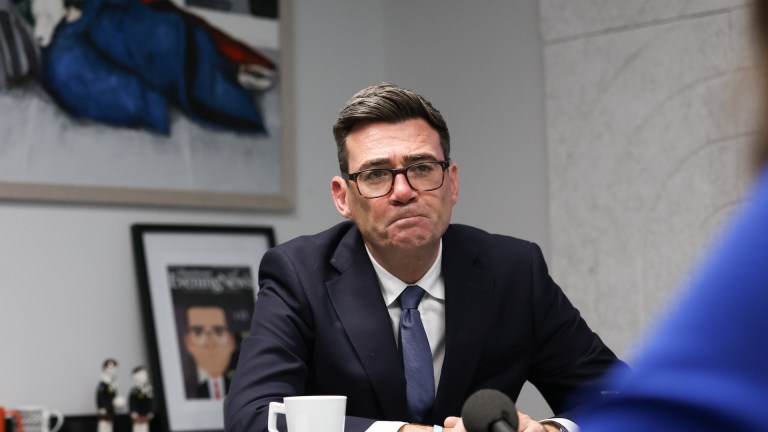
“Too many carers are being pushed into financial hardship because the support available has failed to keep pace with rising wages and living costs,” she said.
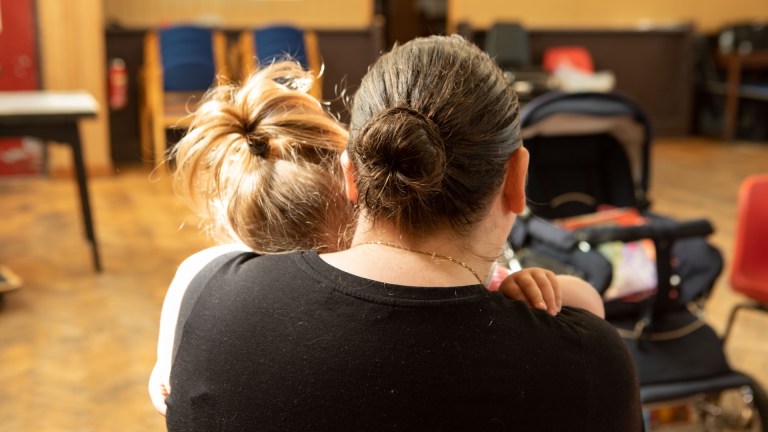
Ian Wilkinson agrees. The Cornwall local has cared full-time for his wife Sonia for the last 15 years – and says an extra £160 per month would “change everything”. “It would make a lot of difference. Right now I usually have one or two pounds at the end of the month or start in overdraft,” he told Big Issue. “If I had that £160, I’d think ‘Ok, I know I can afford to buy food’.”
Sonia has had severe arthritis for over three decades and has spent time in hospital for acute anxiety. She also has a benign tumour on her spine which has confined her to bed.
Keep reading the journalism that powers our mission
Register free to continue and learn more about the stories, campaigns and the support we provide, helping people facing poverty across the UK.
“I try and keep the money side of things away from her, I don’t want her to worry,” Wilkinson says. “But it’s very stressful… I just have to say we can’t do this or that.”
How much is Carer’s Allowance?
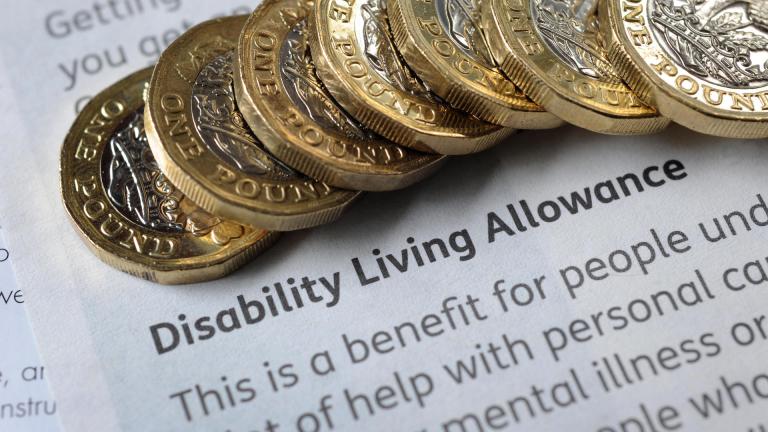
Invalid care allowance, now carer’s allowance, was first introduced at £7.90 a week in 1976. Fifty years on, the benefit – paid to those caring for a minimum of 35 hours per week – is worth £86.45 a week in the 2026-27 financial year. Had it kept pace with earnings, carers would receive an extra £36.93 each week, or £160.46 a month.
That shortfall is contributing to a crisis in care. Separate research from Carers UK shows that nearly half of carers (49%) have cut back on essentials such as food, heating, clothing and transport over the past year. A third (32%) have taken on debt through credit cards, bank loans or overdrafts, while 84% say their energy bills have increased.
Advertising helps fund Big Issue’s mission to end poverty
The government has recently increased the earnings limit to 16 times the national living wage and is proposing a taper to remove the “cliff edge” earnings threshold. Carers UK called this a “positive step forward” – but urged ministers to undertake a full review of the benefit.
“With an ageing population, the demand for care is growing rapidly. Unpaid carers are increasingly stepping in to fill the gaps, often providing intensive support and managing complex health conditions. 62% of current and former carers say they had no choice in taking on the role because no other care options were available. Fifty years on from the introduction of carer’s allowance, it’s time for a full review to ensure the benefit properly recognises the vital role carers play and provides the financial security families need to keep caring.”
More than 600 people give up work every day to care; two-thirds of adults will be a carer at some point in their lives. The UK’s 5.8 million unpaid carers provide care worth £184 billion a year – equivalent to the entire NHS budget. But despite this mammoth economic output, carer’s allowance is the lowest benefit of its kind, equivalent to just £2.47 an hour.
Wilkinson gave up full-time work 15 years ago as his wife’s needs increased.
“It’s always been a struggle. But you just think: we make do with what we get,” he said. “It’s getting harder.”
Do you have a story to tell or opinions to share about this? Get in touch and tell us more.
Advertising helps fund Big Issue’s mission to end poverty
Change a vendor’s life.
Buy from your local Big Issue vendor every week – and always take the magazine. It’s how vendors earn with dignity and move forward.
You can also support online:Subscribe to the magazine or support our work with a monthly gift. Your support helps vendors earn, learn and thrive while strengthening our frontline services.
Thank you for standing with Big Issue vendors.