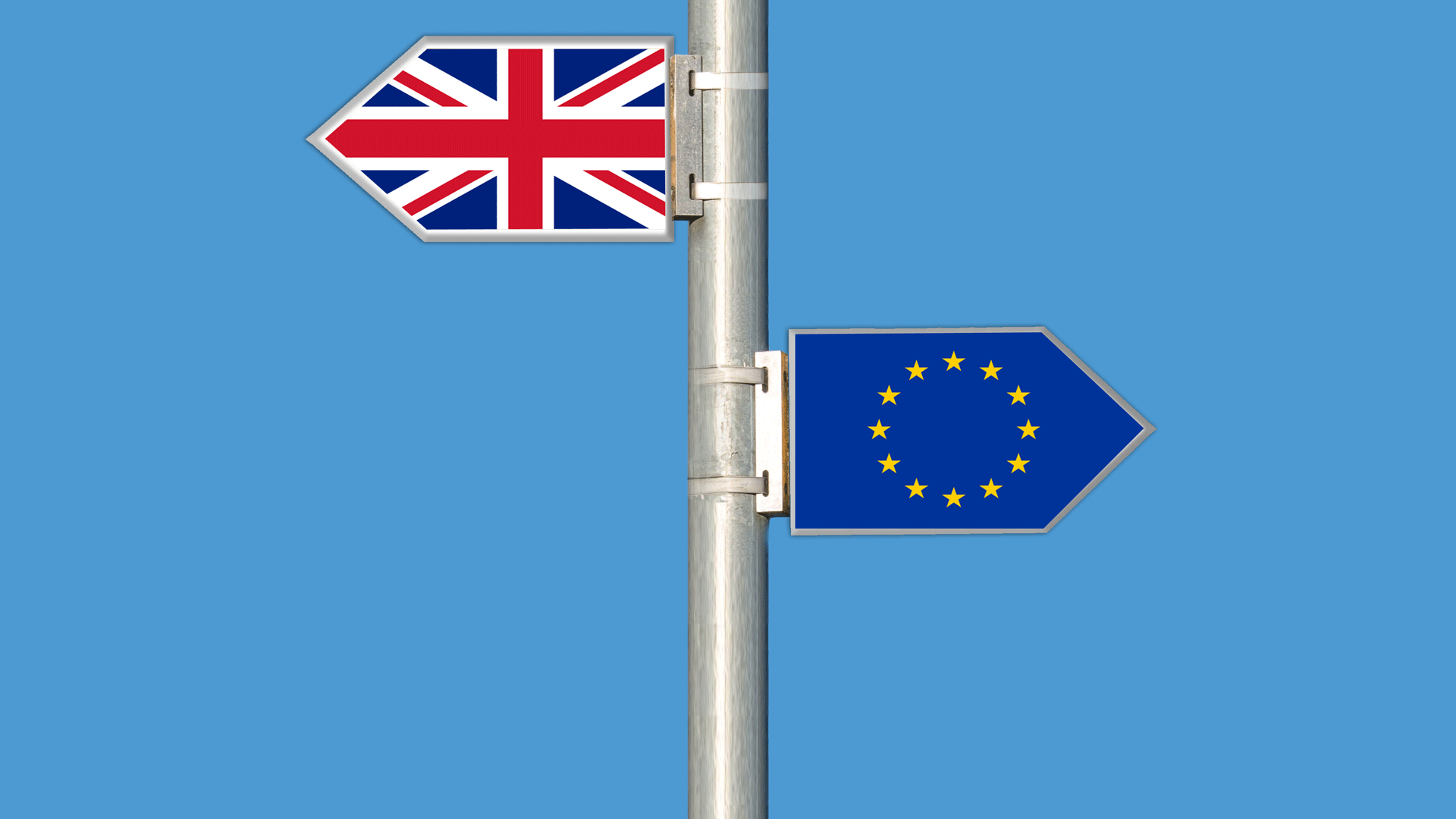
On 23 June 2016, the UK voted to leave the EU. The most Brexit town in Britain turned out to be Boston, with 75.6% of the town voting Leave. Exactly 10 years later, England play Ghana in the other Boston, which is a serendipitous way to celebrate if you’re so inclined. (That Boston was birthplace to a bizarro Brexit, but more on the USA’s 250th birthday coming soon.)
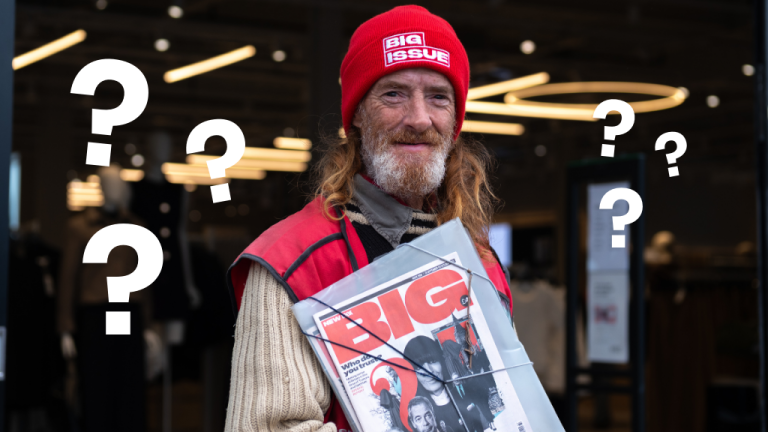
For this week’s magazine we visited Brexit town, a moniker our Boston may or may not wear willingly, to find out what life is like for those who live there 10 years on.
One resident, Iga Bontoft, reports “a wave of disappointment” from people who voted for Brexit. “They were voting pro-change, they wanted to change something. What they got is nothing; empty promises, because not much has actually changed.”
Despite a decade of proroguing parliament, a parade of prime ministers, pandemics and parties – but enough of the Ps – sentiment hasn’t really changed much. The original 52% Leave vs 48% Remain result is reflected by split opinions today. According to Ipsos research, 48% think Brexit is going worse than expected, so 52% evidently don’t; 53% say we should allow EU citizens to live and work here in return for single market access, so 47% disagree.
Brexit wasn’t the cause of our increasingly divided society, rather a consequence of it. In Scotland, we enjoyed a sneak preview of the divisive discourse that emerges around a constitutional question.
The independence referendum in 2014 exposed faultlines you didn’t know existed between family and friends, debate founded less on facts or policy than instinct and ideology.