Advertisement
Music

Death Cab For Cutie’s Ben Gibbard: ‘I realised I could work on behalf of marginalised people’

Ben Gibbard talks about his life in music, his political awakening and the inspiration he took from the Seattle music scene of the early 1990s

Since the mid-1990s, Ben Gibbard has been the singer and songwriter in beloved US indie band Death Cab For Cutie. He was born in Bremerton in Washington State in August 1976 but spent most of his childhood in Washington DC. After returning to the northwest aged 14, he became immersed in the thriving music scene around Seattle. Death Cab For Cutie released their debut album, Something About Airplanes, in 1998 and built an audience around the world before having a major breakthrough with their fourth album, Transatlanticism, in 2003. The band has received eight Grammy nominations, while Gibbard also founded indie supergroup the Postal Service and has performed with Foo Fighters, Dua Lipa and Chance the Rapper. Alongside his music career, Gibbard has been an activist for LGBTQ+ rights and homelessness organisations.

In his Letter to My Younger Self, Gibbard looks back at the early 90s Seattle music scene, his political awakenings and advises his teenage self to avoid alcohol…

My dad was in the military and moved around a lot. So I lived in DC untilI was 14. Then we uprooted and moved back to the northwest. At the time, I didn’t want to go. I was starting to play music with people, I had started to finally feel rooted as a person. The year I was turning 15 was the end of our moving. My dad had retired from the navy, so he was entering civilian life and we were gonna stay here. My home life was good – we just had a very middle-class life, my parents seemed to get along well. They’re still together, so I assume they do.

This is a perfect anecdote for this exact topic – about a year ago, I was cleaning outa storage locker in Seattle. I hired organisers to basically Marie Kondo my shit! Does it spark joy, right? I got rid of virtually everything. But I found a shoebox of letters from a pen pal when I was 15. This young girl had moved back to the same area I had left, we had mutual friends, and ended up writing each other for two years. The arc of this correspondence started from ‘Hey, I don’t really know you, but someone said we should write letters’ to ‘we are in teenage love’. Within those letters there was this whole story. It was a really powerful experience, being transported back into this teenage self. Now I love being in Seattle and would never want to be anywhere else. But in in these letters, I didn’t want to leave DC. And I’m also clearly saying, I want to be in a band – and she’s writing back, ‘That’s cool, I know you’re gonna succeed.’ It hit me that this is what I have always wanted to do with my life, but I’d never seen the evidence of me saying that out loud at 15. It’s one thing to have a secret dream – but to be sharing it with another human is a new level. And it gave me a newfound perspective that I’m the luckiest person on the planet.

It felt like the music world was focused on Seattle in the early ’90s. And it was only an hour’s ferry ride from where we lived in Bremerton, so it was accessible. I spent those years going over to Seattle for all ages shows at the OK Hotel. At that time, Seattle had this draconian law called the Teen Dance Ordinance. So it was like Footloose. We weren’t allowed to dance. Long story short, a younger person was at a dance club they shouldn’t have been at, and got into activities they shouldn’t have gotten into. Their parent was a high-powered lawyer and shut down teen dances and shows for everybody. But one club in Seattle, the OK Hotel, found a dubious work-around, so we were seeing bands at this 250-capacity club that became a window into a world of culture.

There was the Mount Rushmore of Seattle bands – Nirvana, Pearl Jam and Soundgarden. We moved back in June 1991 and there couldn’t have been a better time to be there. Because in the next few months, Nevermind by Nirvana, Ten by Pearl Jam, and Badmotorfinger by Soundgarden came out. I was talking to Norman [Blake] from Teenage Fanclub last night – Bandwagonesque came out that year, so did Loveless [My Bloody Valentine], Screamadelica by Primal Scream, Outof Time by REM. It was an important year, culturally, on both sides of the pond and shifted the culture in the States away from hair metal. So it was fucking amazing to be a teenager at that time and in that place.
Advertising helps fund Big Issue’s mission to end poverty
Advertisement

My experience in high school in America wasn’t like a John Hughes movie. It wasn’t the jocks beating up the punks. We hung out with our crew of little weirdos who went to punk shows and bought records, and the guys who played sports, played sports. I don’t remember any real push back. But I knew I was going to leave Bremerton as soon as I could. Me and my friends knew this was not going to be where we lived our lives.

There was this explosion of alternative music from 1991 to ’94. And it kind of imploded. I don’t think it was directly because of Kurt Cobain’s death, but it feels like after that, the underground went further underground and the notion of anybody ever getting that big again or going from Sub Pop to selling 30 million albums was not even a consideration.

In 1998, Death Cab For Cutie played a show at the Crocodile Café in Seattle. I had grown up seeing bills for all the bands playing there but couldn’t go because of the Teen Dance Ordinance. So this was a mythic place to me. We sold out the club, 300 people, and I came off stage, sat on the stairs and burst into tears. For the first time, it felt like we were a real band. People assume the most important shows must be Madison Square Garden with Foo Fighters or something. No. It’s that moment you realise we might not be just a college town band. If people cared about us in Seattle, maybe they will in Portland, maybe we can get to San Francisco.

Keep reading the journalism that powers our mission

Register free to continue and learn more about the stories, campaigns and the support we provide, helping people facing poverty across the UK.

I would never have believed that people would have a similar relationship with Transatlanticism [Death Cab For Cutie’s fourth album, released in 2003] that I have with Disintegration by The Cure. I’m not saying those records are of equal importance in the culture, but it’s about what music does. And I do see my feelings about Disintegration echoed in people’s relationships with that album and how important it is to people’s lives and identities.

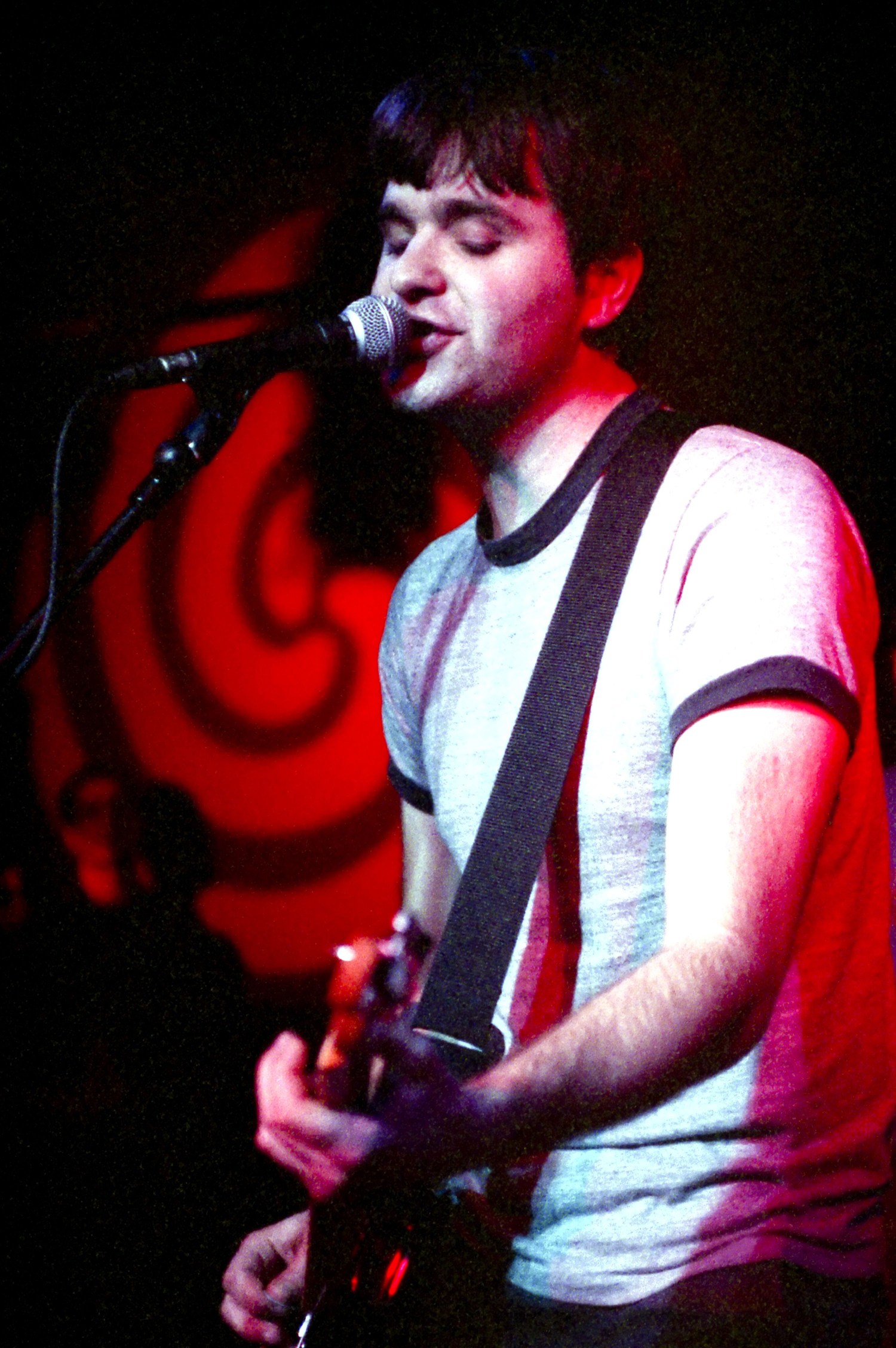
Ben Gibbard of Death Cab For Cutie on stage in Barcelona in 2002
Ben Gibbard of Death Cab For Cutie on stage in Barcelona in 2002 Image: Dosfotos / Shutterstock

I don’t remember a lot of conversations about politics at home. My dad was in the military and is fairly conservative, my mom is very liberal, progressive. Their solution is to just not really get into it. So my political awakenings came out of punk rock culture. After 1991, the culture was very political. Kurt was political. Pearl Jam were political. I don’t know if we were calling it social justice at that point, but these things seeped into our consciousness. It was coming from zines, riot grrrl culture down in Olympia. We had Nirvana, Soundgarden, Rage Against The Machine at the start of the 1990s. By the end, it was Limp Bizkit and shit like that – where they took all the aggression and none of the politics. So I feel lucky to have been impressionable at the right time…

READ MORE

Advertising helps fund Big Issue’s mission to end poverty

That photo of Woody Guthrie with his guitar which says “This machine kills fascists” is a perfect distillation of the powerof this box made of wood with metal strings. I realised early in what I guess now we’ll call a career that I could go into a room with this thing and just by my sheer presence and the songs I’ve written, work on behalf of marginalised people. Last December, I played a benefit show for an immigrants’ rights organisation in Seattle. I’ve always taken the position that you let the gardeners garden. So I help raise funds and develop support so they can do the work. Doubling back to this time in my life, one thing I’ve loved about the north-west music culture is there has always been this strong spirit of solidarity and being present in the community. Nirvana were early fundraisers for [Seattle based anti-violence organization] Home Alive, Pearl Jam has always had a philanthropic element. When we toured with them in 2004, Chris [Walla, former Death Cab For Cutie guitarist] turned to me and said, ‘This is the model – they put their money where their mouth is.’

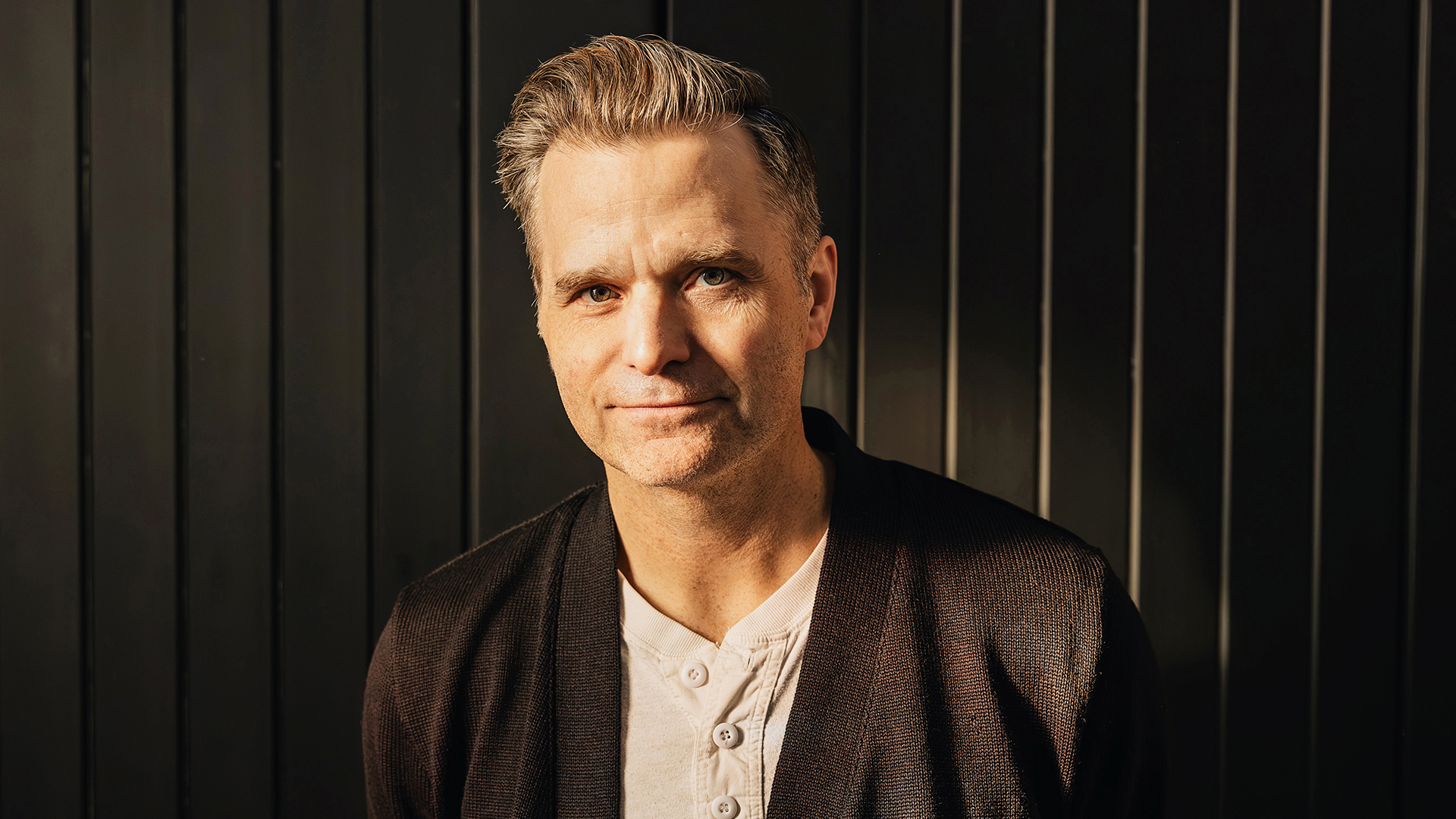
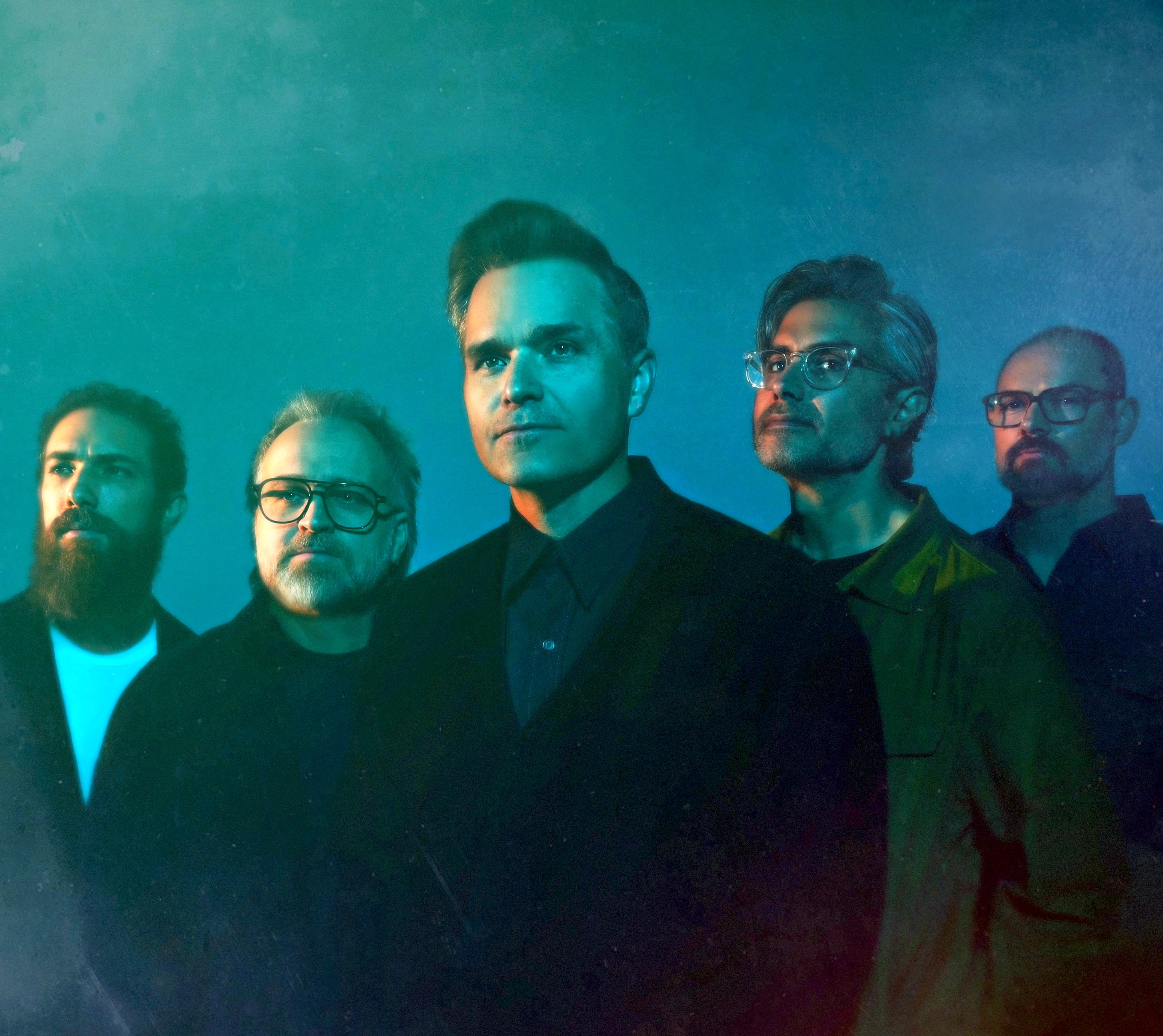
Death Cab For Cutie in 2026
Death Cab For Cutie in 2026. Image: Supplied

As I look back on my life, I would tell myself that it’s important to learn how to be alone. That’s not to say you have to extricate yourself from human connection or sex or companionship. But it’s important we spend time with ourselves. We all have people in our lives, and I’ve been one at various phases, who ping pong from one heartbreak right into something else. So I would tell myself you will make better decisions in who you partner with when you’re not linking up with people out of loneliness or desperation.

I would tell my younger self to go easy on the alcohol. Maybe do not even start with that. I quit drinking in early 2008, when it had gotten really out of control – so I would need to let my younger self know that maybe this is kind of cute now, but it’s gonna become a real problem. It wasn’t like I put down my last drink and went for a run. But there has to be some connection between trading one extreme for another. I ran my first marathon in 2011 and now I run ultra marathons. I ran 100km a few weeks ago.

There aren’t many people I know who set out with a goal and ended up doing that exact thing. And it wasn’t like I did it for five years in my 20s then ended up becoming a lawyer. This is my job. It’s what I do for a living. As I get older, I really appreciate these moments of perspective where you realise, wow, I really have been fortunate in my life. And I want to make sure I do everything I can to not take any of that for granted.

I Built You A Tower by Death Cab For Cutie is out now. DCFC are on tour in September.


Do you have a story to tell or opinions to share about this? Get in touch and tell us more

Advertising helps fund Big Issue’s mission to end poverty

Change a vendor’s life.

Buy from your local Big Issue vendor every week – and always take the magazine. It’s how vendors earn with dignity and move forward.

You can also support online:
Subscribe to the magazine or support our work with a monthly gift. Your support helps vendors earn, learn and thrive while strengthening our frontline services.

Thank you for standing with Big Issue vendors.

Advertising helps fund Big Issue’s mission to end poverty

Do you know how Big Issue 'really' works?

Watch this simple explanation.

Recommended for you

Read All
Lisa Maffia: 'To talk about music in the 90s you had to strip to your underwear. I wish I hadn’t'
Lisa Maffia in the Capital Xtra studio
Letter To My Younger Self

Lisa Maffia: 'To talk about music in the 90s you had to strip to your underwear. I wish I hadn’t'

The taskforce making music accessible for people with dementia: 'It's not all Vera Lynn'
Music

The taskforce making music accessible for people with dementia: 'It's not all Vera Lynn'

Tony Christie: ‘I need an autocue now, but show me an artist my age that doesn’t!’
Tony Christie
Music

Tony Christie: ‘I need an autocue now, but show me an artist my age that doesn’t!’

Paul Heaton: ‘My mum liked me sticking fingers up at the world'
Paul Heaton
Music

Paul Heaton: ‘My mum liked me sticking fingers up at the world'

Most Popular

Read All
Renters pay their landlords' buy-to-let mortgages, so they should get a share of the profits
Renters: A mortgage lender's window advertising buy-to-let products
1.

Renters pay their landlords' buy-to-let mortgages, so they should get a share of the profits

Exclusive: Disabled people are 'set up to fail' by the DWP in target-driven disability benefits system, whistleblowers reveal
Pound coins on a piece of paper with disability living allowancve
2.

Exclusive: Disabled people are 'set up to fail' by the DWP in target-driven disability benefits system, whistleblowers reveal

Cost of living payments: Where to get help in 2025 now the scheme is over
next dwp cost of living payment 2023
3.

Cost of living payments: Where to get help in 2025 now the scheme is over

Citroën Ami: the tiny electric vehicle driving change with The Big Issue
4.

Citroën Ami: the tiny electric vehicle driving change with The Big Issue