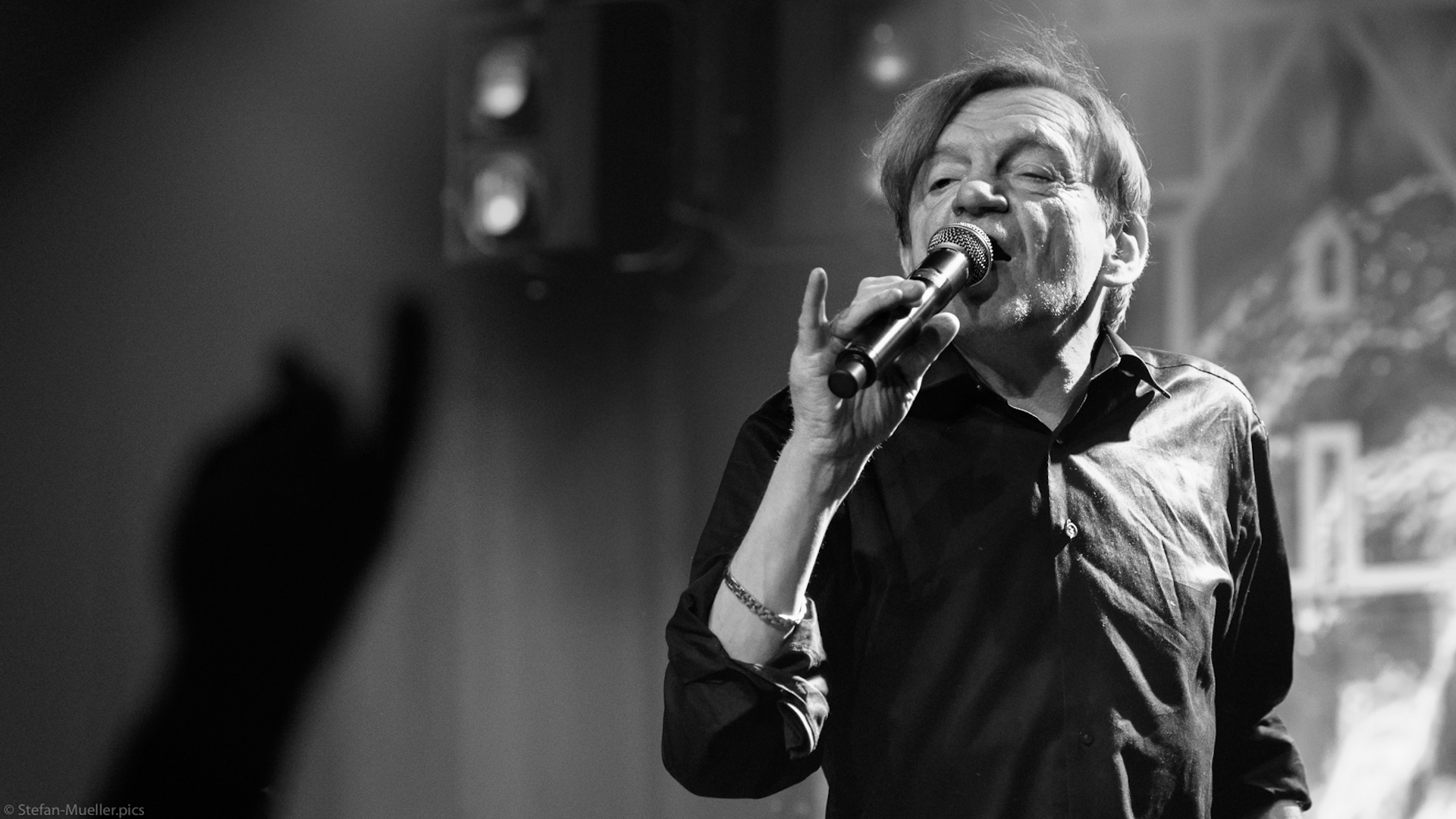
In the 21st century, ‘DIY’ suggests authenticity and anti-consumerism. The meaning of ‘amateur’, having made the reverse trip, could and should be reclaimed. The Fall turned down TV shows that insisted they print out the lyrics of songs they were about to perform. They refused with good reason: as long as they weren’t set in stone, the songs were still alive. And as long as The Fall remained amateurs, they could do exactly what they wanted.
‘Professional’ has, for some time, suggested aptitude, expertise and status. You would trust a professional – it suggests qualifications. In the late 19th century, things were quite different. Sport was seen as an end in itself and professional footballers were sneered at. You expected to get paid for doing something most people do out of love? You had a nerve! ‘Amateur’ was a term that indicated pride and incorruptibility. In modern pop parlance, it probably comes closer to ‘indie’ than anything else. Outside of sport and music, a similarly honourable term might be ‘autodidact’.
Keep reading the journalism that powers our mission
Register free to continue and learn more about the stories, campaigns and the support we provide, helping people facing poverty across the UK.
The Fall were not professionals. This enabled them to explore areas that would have seemed alien to their contemporaries on major labels, who were tied into album/tour/single/tour cycles dictated by their record companies. In the digital pop age, it may be no big thing for Beyoncé to produce a complete film to accompany her new album, or for the Pet Shop Boys to write a new score for Battleship Potemkin, or for Ed Sheeran to sit for David Hockney.
In the mid-1980s, though, the Fall’s contemporary dance collaboration with Michael Clark was completely unheard of. For Mark E Smith to write a play, Hey! Luciani, was similarly eye-popping. The group were entering cross-cultural territory at a time when MTV seemed shocked that Run DMC’s and Aerosmith’s different strands of pop could possibly work together. Bands were bands, and they stuck fast to their jobs. The Fall were not a professional pop group. They did not devote their time to one strand of music, or art, and they certainly didn’t do it purely to make money.
Smith would scour lower-league bands for new Fall members as if he was the chief scout of a financially straitened football club. He signed up Marcia Schofield from Khmer Rouge, Karen Leatham from Wonky Alice, Kate Themen from Polythene. In 2001, he drafted in a group called Trigger Happy in its entirety to effectively become The Fall, giving them only eight hours’ notice before they had to play a gig.
Often, musicians were signed up as apprentices, learning their trade on the job: Marc Riley was initially the group’s roadie; Ed Blaney went from tour manager to manager to guitarist; Kay Carroll was Smith’s girlfriend, brought in as both manager and backing vocalist; classical musician Simon Rogers initially played bass, then – presumably when he seemed too comfortable – was moved by Smith to keyboards, at which point he left the group.
Smith called it ‘creative management’, and he used these tactics to prevent a cosy slide into professionalism. “When you’re playing five or six nights a week the group get slick,” he said, and routine was always the enemy.
Excavate!: The Wonderful and Frightening World of The Fall, edited by Tessa Norton and Bob Stanley is out now (Faber, £25)