Chase & Status: ‘We were vinyl-collecting kids obsessed with smashing up a rave’
The superstar DJs look back on their determination to make it big that overshadowed everything else
by:
23 Oct 2026
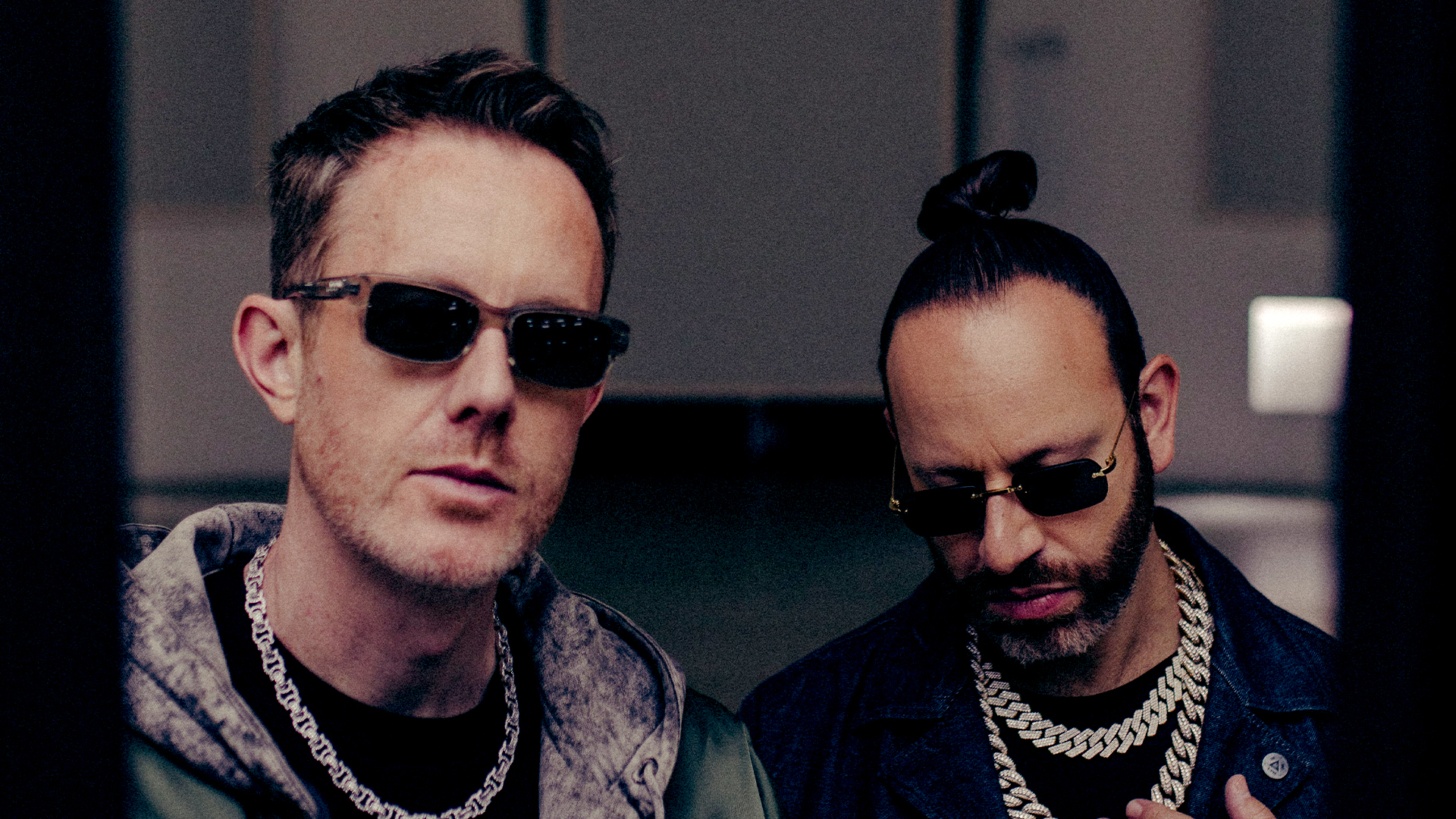
Chase & Status have had quite the journey. Image: Supplied
Share
Chase & Status are an English drum and bass duo composed of Saul Milton (Chase) and Will Kennard (Status). In a first for Big Issue’s Letter to My Younger Self series, the pair have written a letter together, starting from when they first met as music-obsessed teenagers, before their stratospheric success as a duo.
Will Kennard (Status): We were around 16 when we met. I was living in Hammersmith with my mum, and I was a bedroom DJ, obsessed about music and DJing. This is when I started to really collect vinyl and my poor mum had to put up with me blasting out music 24/7. I was juggling that obsession with school when I met Saul through a mutual friend. He was from a similar background, single parent and he wasn’t like most of my mates. Because everyone liked music, but not many were this obsessed with underground music and niche genres.
Saul Milton (Chase): I’d started falling in love with jungle music and it completely changed my life. I remember going to The End nightclub, becoming inebriated, shall we say, and having a bit of an epiphany. This was just before I met Will. I was more of a skater in baggy jeans, trying to be a bit indie. But within hours of going to a jungle rave, I’d shaved my head, Moschino clothes, Reebok classics, bad boy. Everything changed.
WK:There was a group of us and we all shared the love of going raving in London. So we’d be out at The End, Bagleys, all these great venues in London hosting massive raves. And we would bump into each other weekend after weekend.
SM:I said to my friend: “He’s not a better DJ than me, is he?” I heard Will had a Vestax Mixer, which was pretty special, and he was already Status by then. I was just starting to go by Chase. So it was Chase versus Status, fundamentally – we were trying to one-up each other as well as getting to know each other. And that led us to here.
WK: School doesn’t cater for a kid to go into the dance music scene. That wasn’t a pathway that was promoted or encouraged. So because that is what I was into, school was a struggle. I spent years blagging my way through, which was stressful for my mum. I just about got through and got a place at university. But it was mainly as a vehicle to get out of London and be more independent.
Advertising helps fund Big Issue’s mission to end poverty
Advertisement
SM: I think Will was better behaved than me. I went to several schools. Three schools and two colleges, so it was quite fractured. I loved London, but I also needed an escape.
WK: We’d built up a relationship at all the raves, but we weren’t making music together. But we both coincidentally went to university in Manchester and bumped into each other there. Slowly, as we sort of dropped out of the uni process, we started taking this shared hobby more seriously. I called my mum and said I’m going to drop out of uni, but it’s all good, I’ve got a plan – I’m going to become a successful DJ-producer! She was in bits, crying down the phone, and worried that she would always have to bail me out. She was supportive, but with a dose of reality. It meant we took it seriously, because it wasn’t a hobby. It was almost immediately a do or die situation. But more than the fear driving us on was an insatiable obsession with this amazing scene we were getting involved with.
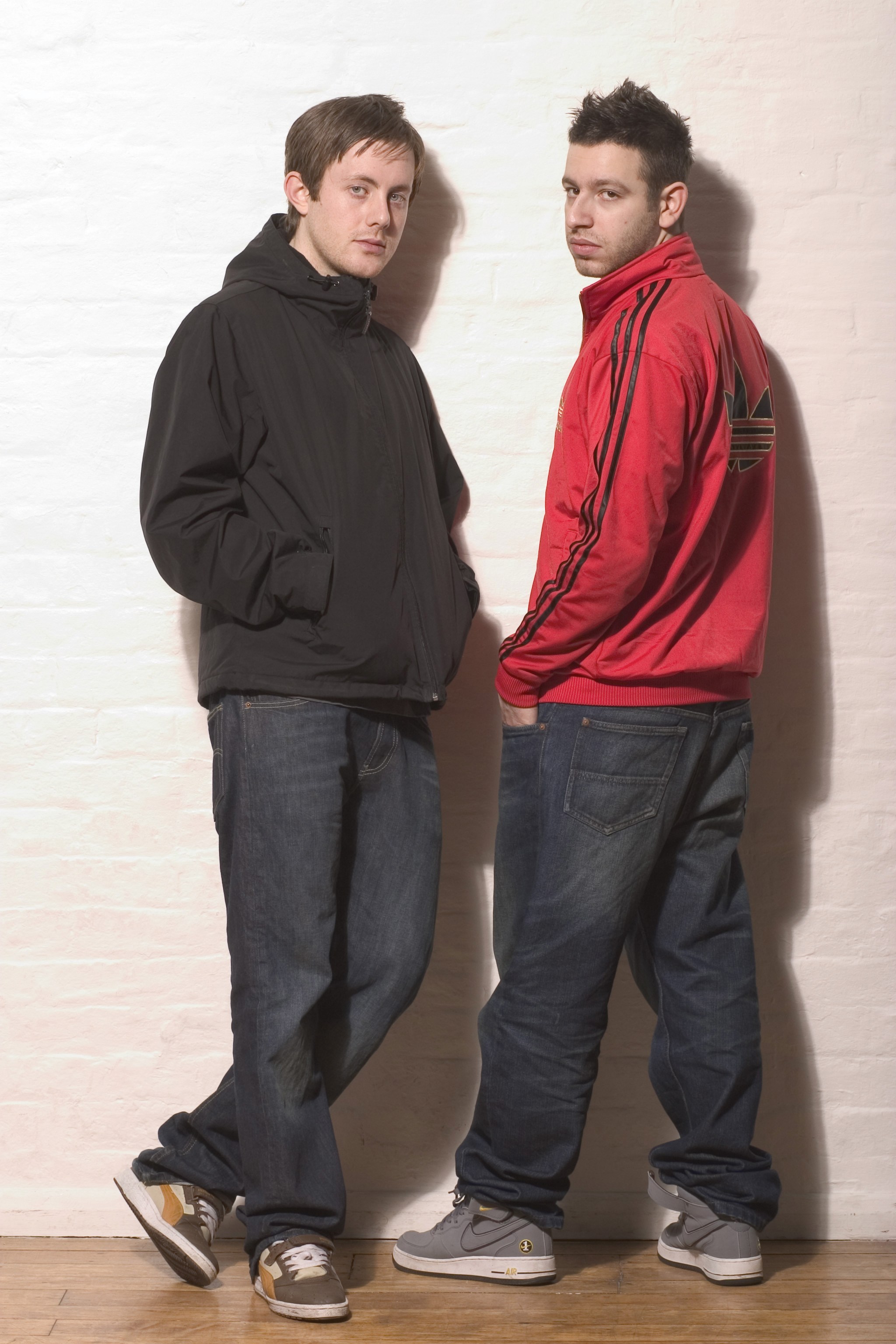
Chase (right) & Status in 2006. Image: Moira O’Hara / Shutterstock
SM: We were very determined – we were going to make it happen. Our friends would say, ‘What are you two losers up to?’ They’d be going to the student union, telling us it would be an amazing night, everyone getting drunk, all of that. And we’d say, “Oh, we’re staying in, making noises that go oooo-eeeee-ooooo!” We’d be sitting in the dark, smoking, and making music. It felt like nothing else mattered. It was this innate obsession – can we figure out how to make these drums sound better?
Keep reading the journalism that powers our mission
Register free to continue and learn more about the stories, campaigns and the support we provide, helping people facing poverty across the UK.
WK: I’m a believer that all the mistakes, all the all the fuck ups and bad choices, are all part of the same journey. So it would be a weird thing to say, don’t worry – because if we didn’t worry when we were young, maybe we wouldn’t have made it.
SM: All I do is worry anyway! The first time it felt like things were going well was going to Black Market Records [in Soho] and giving a dub plate of two of our early tunes to DJ Youngsta. And he liked them, said he would play them at Fabric later. At 3am, I got a call from him, saying it was all going off. Then he passed the phone over to his sister, whose name is Sarah Lockhart and is now president of Epic Records, and she basically said, I want to sign you. Getting our first vinyl back was amazing. I’ll never forget those first moments when our DJ heroes started played our tunes. It was magic.
WK:Our dreams were never this big – so we achieved our dreams a long time ago. And that is an amazing thing to be able to say. We dreamed of DJing at The End. That felt like the pinnacle. Just being part of a such a cool scene and being accepted into it as professional DJs was a dream. Everything from then on was a whirlwind. Our younger selves would not have even understood what the hell we were talking about we’d said we would end up playing with a band at Glastonbury. It was not on our radar. We were vinyl-collecting kids obsessed with smashing up a rave in front of 300 people.
SM: Our partnership works so well because we know there is someone by our side. There’s always someone to give you a high five when it’s gone amazingly or wallow in misery with when it has gone badly. It can be daunting doing all this on your own, and we have lots of friends and peers in that situation. Travelling around can be a real schlep when you’re missing all your people. But the most important thing, and why we’re still here 23 years later, is we that are on the same page creatively. The minute it feels like a chore, that’s when it doesn’t work.
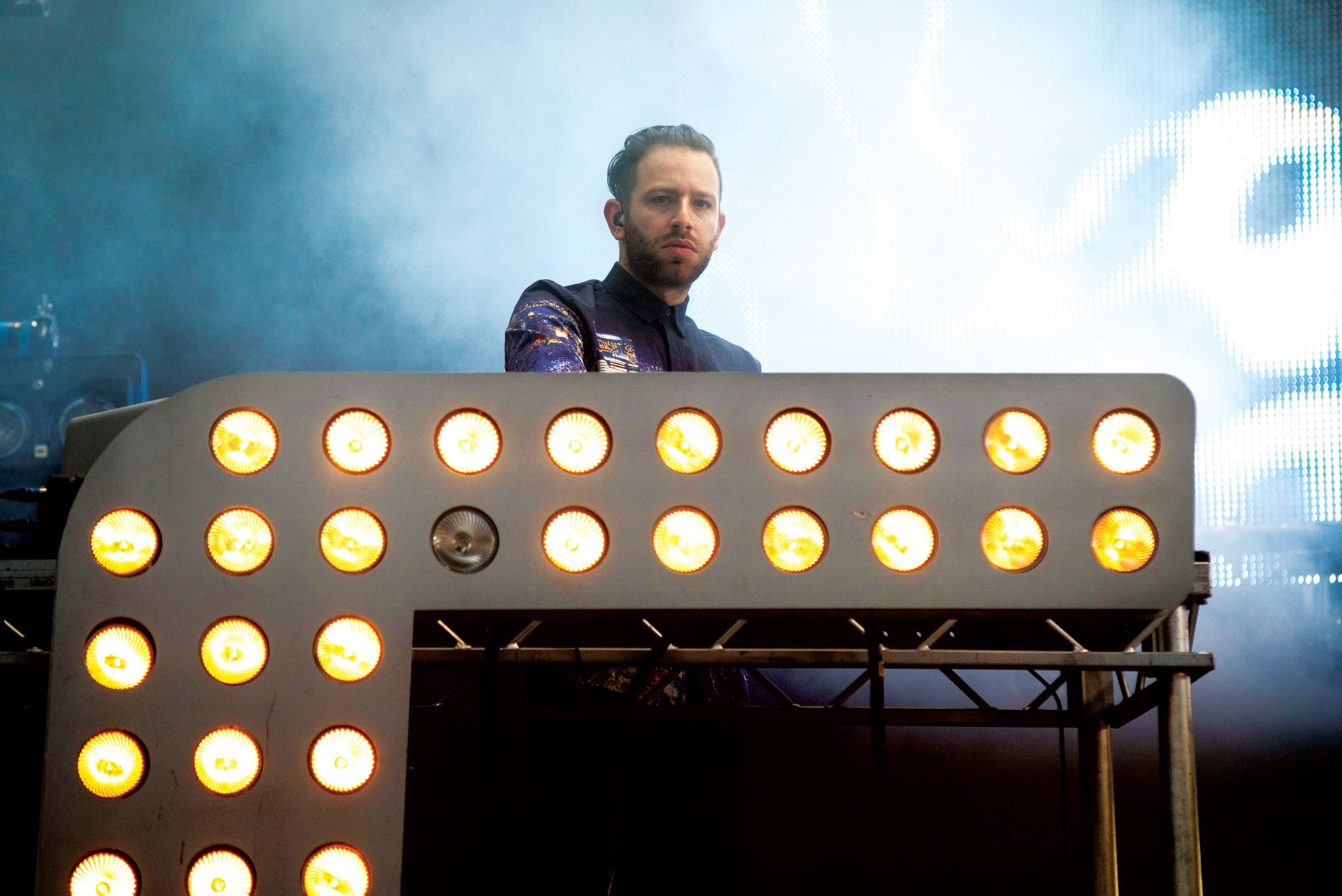
Reading Festival in 2013. Image: Tom Watkins / Shutterstock
WK: To tell our younger selves we would end up having a number one with this music would have been wild. Because it was so underground. We were making the music that your mum didn’t understand and that wasn’t on the radio. There was no way of hearing it unless you went to an underground club or listen to pirate radio. Back then, Steps were at No 1. So the idea that the weird stuff we were making in our dark room could be a number one record like we had [with Backbone, featuring Stormzy, in 2024] would have been so weird.
SM: Will and I grew up without fathers. So, as a young man, I may have questioned my ability to be a good father without turning into what I thought my father was. Thankfully, so far, I have found out that I’m able to be a good father.
WK: Our whole career has been about developing and working with new generations. Selfishly, that’s where we get a lot of inspiration and energy. But it’s also rewarding to support young artists. It’s about contributing to the bigger picture, which is the British music industry that we’re very passionate and proud of. We’re real Anglophiles. So anything we can do to help is important. ELAM (East London Arts & Music, founded by Kennard and his brother] is very much about that. We were seeing too much wasted talent not making it because the way the system is set up is not very fair. Music education has been cut massively at state level. So unless you have a lot of money or go to private school, you don’t have as much access to that world, which is ridiculous. Because the best kids often aren’t from those worlds. We are 10 years in and there’s plans to open more schools. Our new drummer, who is the best we’ve ever worked with, and the most awesome kid – it turns out he went there. So to see the alumni go into the world is super cool.
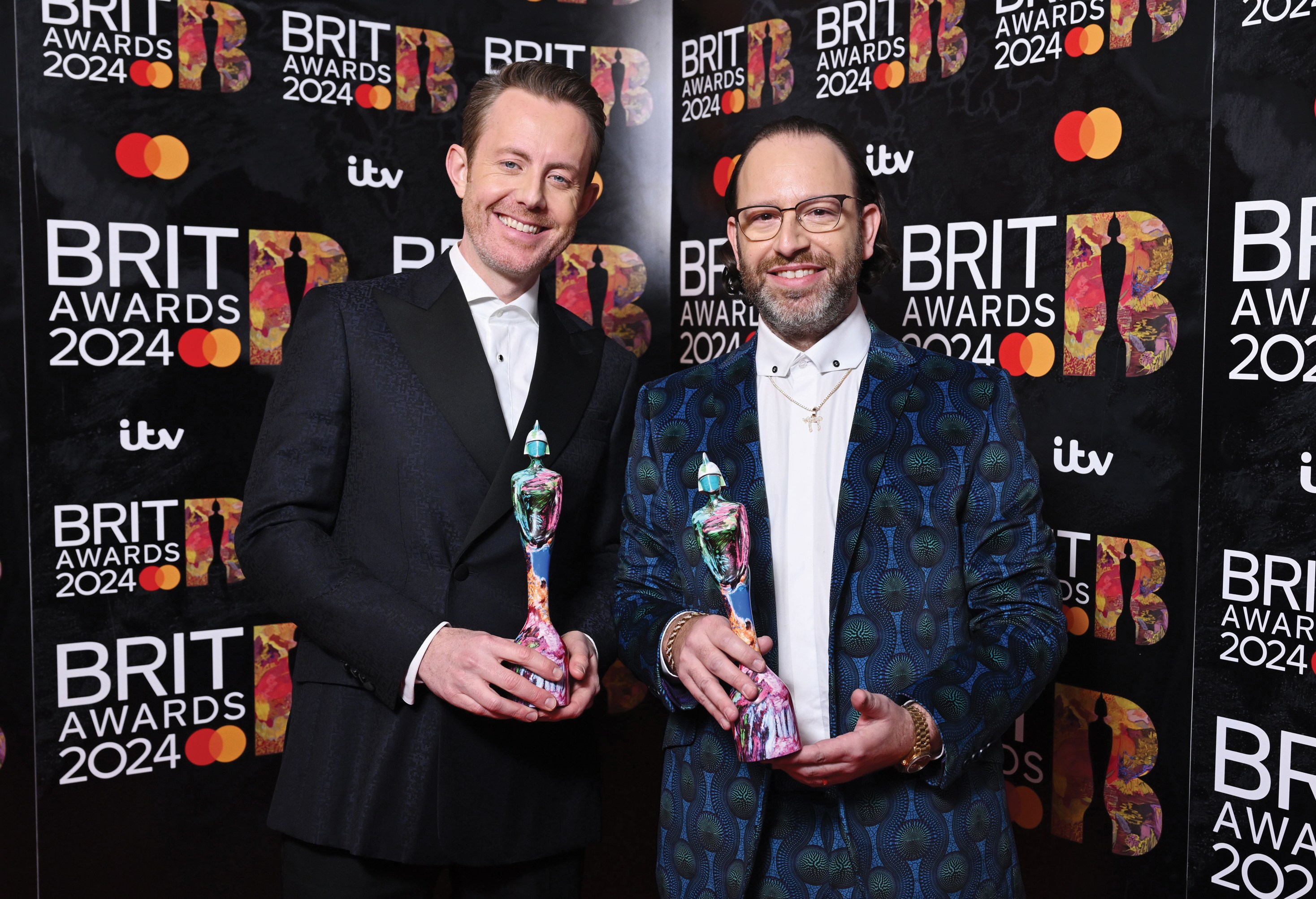
Chase & Status at the BRIT Awards, 2024, where they won Producer of the Year. Image: James Veysey / Shutterstock
WK: As you get older, you get better at getting perspective about what’s actually important. But that’s the nature of being young and laser focused on something, right? Without that energy, it might not happen. I wish I had that same energy now to be so obsessed, so fixated on one thing.
SM: Launching our first album at The End was a big moment. It was on Andy C’s label, and he is our hero. We were the headliners and we sort of stole the show and all our fans had come to hear the album and Kano was there and it was a moment of ‘we’ve arrived’. If I could relive one moment from our career, it might be that one – because at the time, you are just doing it, you’re not seeing it as this important, seminal moment.
WK: Working with other people wasn’t on the agenda. Dance music was more instrumental back then so the idea we would work with a Rihanna or Stormzy or Tinie Tempah or Kano and all these amazing singers and rappers from all over the world would blow our minds. We were just making four bar loops that go on for six minutes, and that was enough. But now we’ve worked with indie bands and gangsta rappers, R&B singers and pop musicians, the full spectrum.
Generic Everything is out now. The Chase & Status world tour starts in February 2027 and comes to the O2 on 2-3 April