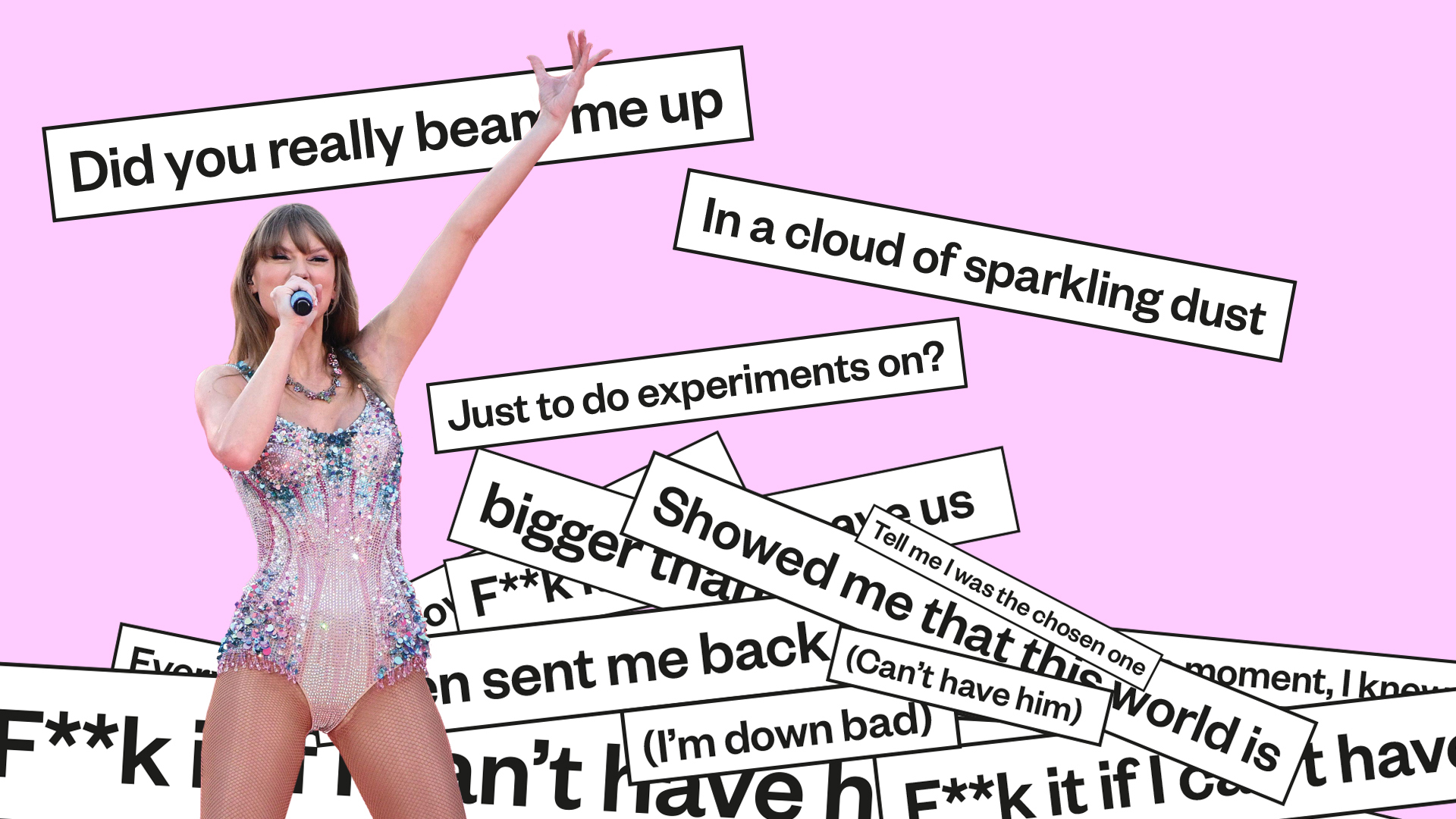
Genius’s most popular artist is who else but Taylor Swift (14.4 million views in 2023 alone). Her entire catalogue has been lovingly studied, analysed, embroidered with detailed notes and generally tended to like a giant lyric garden by thousands of loyal Genius users. I’m writing this on the morning of release for Taylor Swift’s new album The Tortured Poets Department, and already all 16 tracks have been fully transcribed, dissected and deeply scrutinised (Matty Healy’s not coming off well).
Young people today may be more lyric obsessed than record sleeve scouring older generations ever were. And for good reason. As anyone who has found comfort in the words of Ian Curtis, Kurt Cobain, Kendrick Lamar or some other supremely gifted lyricist will attest, lyrics can help massively when it comes to processing troubling experiences and emotions.
A 2023 survey by the charity Youth Music found that 73% of young people find that listening to, reading or writing lyrics enables them to process difficult emotions. Put that against stats showing that one in six children aged five to 16 in the UK are likely to have a mental health problem – up 50% in the last three years – and a correlation is easy to see.
Keep reading the journalism that powers our mission
Register free to continue and learn more about the stories, campaigns and the support we provide, helping people facing poverty across the UK.
But there seems to be something else much more trivial driving interest in song lyrics too, and it’s mirth and intrigue at the increasing levels of filth and shade that songwriters love injecting into their texts – beefing rappers especially. Behind Taylor Swift in Genius’s top 10 most viewed artists of 2023 list were Drake and Travis Scott – no strangers each to a good celebrity bunfight. Between them on just one collaborative track, last year’s Meltdown, they managed to take aim in four minutes at not only rival rapper Pusha T, but actor Timothée Chalamet, socialite Kylie Jenner (Scott’s ex), and even Vogue editor Anna Wintour.
Are lyric websites really thriving because kids are poring over the poetry? Or do they just want to have a laugh trying to figure out who Ice Spice was dragging childishly when she rapped: “Think you the shit, bitch? You not even the fart”?
Plainly a fascination with both the profound and the profane is at play. In that sense, young people today aren’t all that different from previous generations. Yes, many of us 90s teens felt seen and understood when Radiohead’s Thom Yorke angstily sang “I want you to notice / when I’m not around” on Creep. Equally, we enjoyed the minor transgression of slipping CDs past our parents with “parental advisory: explicit content” stickers on the cover so we could, say, count all the F-bombs in Insane Clown Posse’s Fuck the World (105).
Advertising helps fund Big Issue’s mission to end poverty
Artists need worry much less about parental scrutiny and censorship in the streaming era, and it’s seen a good swear elevated to practically an art form. Take Genius’s second most popular artist of 2023, former Disney child star Olivia Rodrigo, whose lyrics are coarser than a bag of Brillo pads (my seven-year-old daughter recently discovered her music, which has made for some awkward conversations).
In the song Vampire – which Genius users explain is all about “vulnerability, self-discovery, and the importance of liberating oneself from toxic relationship dynamics” – did Rodrigo really need to use the expression “bloodsucker, fame fucker” several times? Probably not, but she’s just keeping it real, and that’s why kids love her. Even once squeaky-clean Taylor Swift now curses like a sailor (17 fucks in new song Down Bad alone).
Popular song is a platform for the restless evolution of everyday language and its undimming power as both balm and abrasive. Lyrics clearly aren’t of interest to everyone, and fair enough. But when it comes to holding up a mirror to society in our internet-centric age – its petty squabbles, its meme-generated tacky humour, its spiritual emptiness, and yet the incredible sense of instant connection and community it can foster between people everywhere – the words of songs arguably mean more now than ever.
Malcolm Jack is a freelance journalist.
This article is taken from The Big Issue magazine, which exists to give homeless, long-term unemployed and marginalised people the opportunity to earn an income.
To support our work buy a copy! If you cannot reach your local vendor, you can still click HERE to subscribe to The Big Issue today or give a gift subscription to a friend or family member.
Advertising helps fund Big Issue’s mission to end poverty