“That is why it has been unsafe for some, and why I was one of those who campaigned strongly for the government to bring in this regulation, and why I’m delighted to see it happening now.”
However, experts are still warning shoppers to exercise caution to avoid overspending.
What is Buy Now, Pay Later?
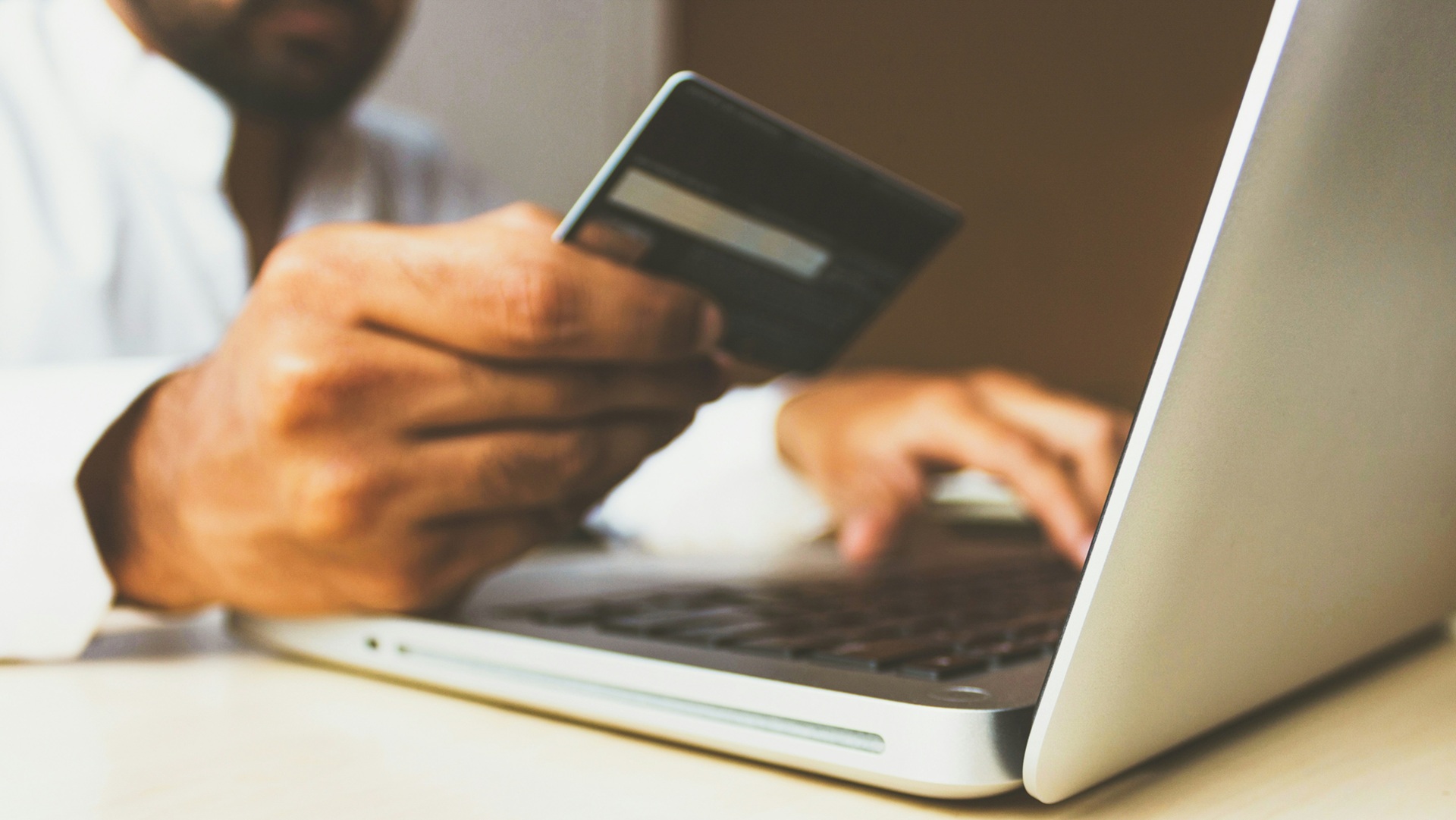
Buy Now, Pay Later is a credit agreement that allows users to do what it says on the tin: buy a product or service now, and pay down the line.
Keep reading the journalism that powers our mission
Register free to continue and learn more about the stories, campaigns and the support we provide, helping people facing poverty across the UK.
Retailers like John Lewis, IKEA and Very have their own schemes, sometimes known as ‘payment plans’, but Buy Now, Pay Later is usually offered through third-party firms like Klarna, ClearPay and PayPal.
There are several things that make Buy Now, Pay Later an attractive option. A big one is that it’s usually interest-free for a fixed period of time.
Delaying a payment or paying in instalments can also help you with budgeting if you get paid on a certain date.
So using Buy Now, Pay Later isn’t necessarily a bad thing in itself, but it still comes with risks. Missing your repayments can land you with hefty late fees and damage your credit score.
Additionally, the fact that BNPL was unregulated until now meant that borrowers were largely unprotected in cases when things went south.
“There’s no doubt that BNPL can be a useful form of credit – especially as it’s usually short-term and interest-free – to spread the cost of a bulky expense,” says debt charity StepChange CEO Vikki Brownridge.
“However, as with any form of credit, regulation is vital to protect customers if something goes wrong, and ensure people aren’t being offered credit where it’s not affordable – something which will trigger debt problems, as we see all too often.”
What are the new rules?
Under the new rules that came in on 15 July, Buy Now, Pay Later firms have to give clear information about the risks involved with missing repayments.
They must run affordability checks before people can sign up for payment plans, which should help to prevent repayments being missed and borrowers falling into unmanageable debt.
Shoppers will also be given powerful Section 75 protection, which you already get when you pay for items using a credit card. This means that if something goes wrong with your purchase – an item you buy is faulty, for example – your Buy Now, Pay Later provider will be jointly liable with the retailer to give you a refund, repair or replacement.
To prevent you from building up debt, your Buy Now, Pay Later provider will now have to contact you straight away if you miss a repayment. If you’re struggling to repay your debt, it will need to advise you on how to get free debt advice or offer you forbearance, which is a temporary agreement to pause or waive your repayments.
Finally, if you make a complaint to your Buy Now, Pay Later firm and don’t get anywhere, you will be able to escalate your case to the Financial Ombudsman Service. This is an independent body which can decide if you’ve been treated fairly and help you get a refund if you’re owed one.
How can I use Buy Now, Pay Later responsibly?
While Buy Now, Pay Later is safer than it once was, it’s still possible to overspend and end up with more debt than you can comfortably repay.
Dr Donna Mai, principal lecturer in marketing management at the University of Westminster, says that the new rules do not remove the need for responsible borrowing.
She said: “Consumers should continue to be cautious when using Buy Now, Pay Later, avoid taking on multiple concurrent agreements that could become difficult to manage, and use these products only where they are confident that repayments remain affordable.
“Before taking out a BNPL agreement, consider how the repayments fit alongside your existing financial commitments and ensure you have sufficient funds available when payments fall due.”
It’s also worth checking the terms and conditions carefully to make sure you know what you’re signing up for.
“This includes repayment amount and schedules and the consequences of missed payments,” said Dr Mai.
If you’re using Buy Now, Pay Later to afford essentials like groceries or bills, it’s worth checking whether you’re eligible for any grants from your local council.
Read more:
What can I do if I’m struggling with repayments?
In the first instance, contact your Buy Now, Pay Later provider and ask them to pause or amend your repayment schedule.
You can also access free debt advice by visiting StepChange, Citizens Advice and the National Debtline.
“If you are finding yourself struggling to keep up with payments, rather than taking on more credit or BNPL agreements, we would always advise seeking free and impartial debt advice to help get back on track,” said Brownridge.
Do you have a story to tell or opinions to share about this? Get in touch and tell us more.
Change a vendor’s life.
Buy from your local Big Issue vendor every week – and always take the magazine. It’s how vendors earn with dignity and move forward.
You can also support online:
Subscribe to the magazine or support our work with a monthly gift. Your support helps vendors earn, learn and thrive while strengthening our frontline services.
Thank you for standing with Big Issue vendors.