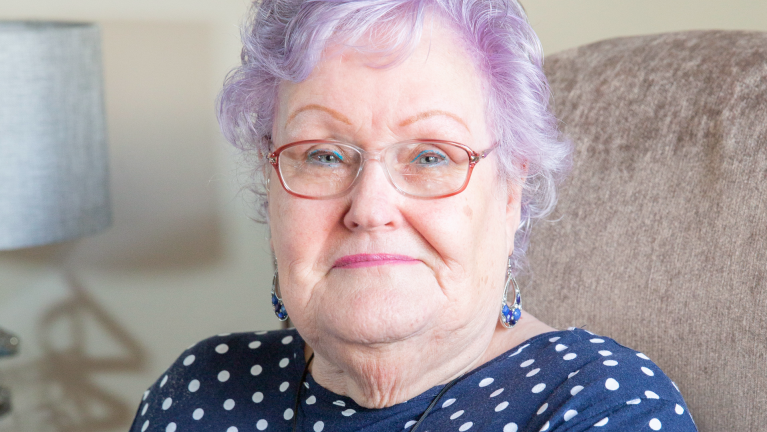
The sisters’ circumstances may be different, but they share the same underlying worry: will the money stretch
far enough?
Their stories challenge one of the biggest misconceptions about financial hardship in Britain today – that there
is a clear divide between people who work and people who claim benefits. For millions of households, the reality is far more complicated.
How an accident at work changed everything
Before her injury, Nicola, 44, was working and financially independent. Afterwards, she found herself navigating the benefits system while caring for her teenage son, who has additional needs.
Keep reading the journalism that powers our mission
Register free to continue and learn more about the stories, campaigns and the support we provide, helping people facing poverty across the UK.
As her income fell, everyday costs became harder to manage. Energy bills rose. Food became more expensive. One missed payment quickly turned into several.
“I struggle from month to month because all my payments come in more or less around the same time so I feel rich for a week or so,” she says. “But with the rise in energy and food prices I’ve found I’m struggling even more and having to borrow off my mum sometimes till I get paid, which is a vicious circle.
“I’m going back to work soon because I just can’t afford to live on LCW [limited capability for work] now I’m getting better.”
The situation escalated when bailiffs became involved. Nicola recalls one particularly distressing visit from a debt collection agent, who, she says, threw paperwork at her and demanded full payment by the next day, threatening to seize her belongings, including computers used by her disabled son for schoolwork.
Already dealing with the physical and emotional impact of her injury, she was suddenly facing another battle: trying to understand a complicated system while worrying how she would keep a roof over her family’s head.
The turning point came when she contacted debt advice provider Money Wellness. During a review of her circumstances, advisers identified support she had not realised she could access, including council tax support and help with housing costs. The additional assistance eased pressure on her household budget and helped her regain a sense of control.
Her experience highlights a problem debt experts see every day. Many people only discover they are missing out on financial support after speaking to an adviser.
A change in health, employment or caring responsibilities can affect benefit entitlement, yet countless households never check whether additional help is available.
For Nicola, the advice went beyond dealing with debt. It gave her a clearer understanding of her rights, the support available to her family and a way forward when the situation had begun to feel hopeless.
Looking back, she believes she could have avoided months of stress if she had known where to turn sooner.
The emotional toll of money worries
Financial hardship is often measured in pounds and pence. But for many, people the emotional cost can be just
as profound.
When income falls and bills keep rising, fear and anxiety can quickly become part of daily life. Letters go unopened, phone calls are ignored, and sleep gets disrupted.
Yet asking for help is often the most difficult step.
A survey of Money Wellness customers shows just how closely financial pressures and wellbeing are linked. Before seeking support: 50% said they felt anxious when thinking about managing payments, 72% said most of their stress was caused by money issues, 80% said they felt stressed most of the time.
After receiving help: 68% said they felt less anxious, 77% said a weight had been lifted off their shoulders, 59% said they were sleeping better.
The findings underline how getting support can improve more than finances. It can restore peace of mind.
Read more:
The benefits and financial support people don’t know they have access to
Nicola’s story raises an important question: how many people are struggling with money because they don’t know support exists?
Across the UK, billions of pounds in benefits and financial assistance go unclaimed each year. Council tax
support, housing-related assistance, discretionary payments and other forms of help can make a big difference, yet many eligible households never apply.
Analysis by Policy in Practice found around seven million households are missing out on £24 billion in financial support because benefits and social tariffs go unclaimed. The research identifies lack of awareness, complexity and stigma as some of the biggest barriers preventing people from accessing help.
Money Wellness sees this every day. People often seek help, only to discover there are ways to increase their income, reduce essential costs or access support they didn’t know they were entitled to.
For people facing financial difficulties, seeking advice early can make all the difference.
A benefits check or budget review can often uncover practical solutions before problems escalate into crisis.
The sisters’ stories may have started in very different places, but they arrive at the same conclusion. Whether
a household relies on wages, benefits or a combination of both, financial insecurity can affect anyone. And sometimes the first step towards regaining control is knowing that help is available.
Gabrielle Pickard Whitehead is lead financial content writer at Money Wellness
Do you have a story to tell or opinions to share about this? Get in touch and tell us more.
Change a vendor’s life.
Buy from your local Big Issue vendor every week – and always take the magazine. It’s how vendors earn with dignity and move forward.
You can also support online:
Subscribe to the magazine or support our work with a monthly gift. Your support helps vendors earn, learn and thrive while strengthening our frontline services.
Thank you for standing with Big Issue vendors.