“With many tenants receiving housing support already going without essentials to pay their rent today, the government should restore the automatic annual linking of LHA to relieve the pressure on low-income families in the private rented sector,” he said.
The thinktank is the latest organisation to call for rates to be increased in line with rents. But what would it look like – and are there risks? Big Issue dove into the detail.
Read more:
Keep reading the journalism that powers our mission
Register free to continue and learn more about the stories, campaigns and the support we provide, helping people facing poverty across the UK.
What is local housing allowance?
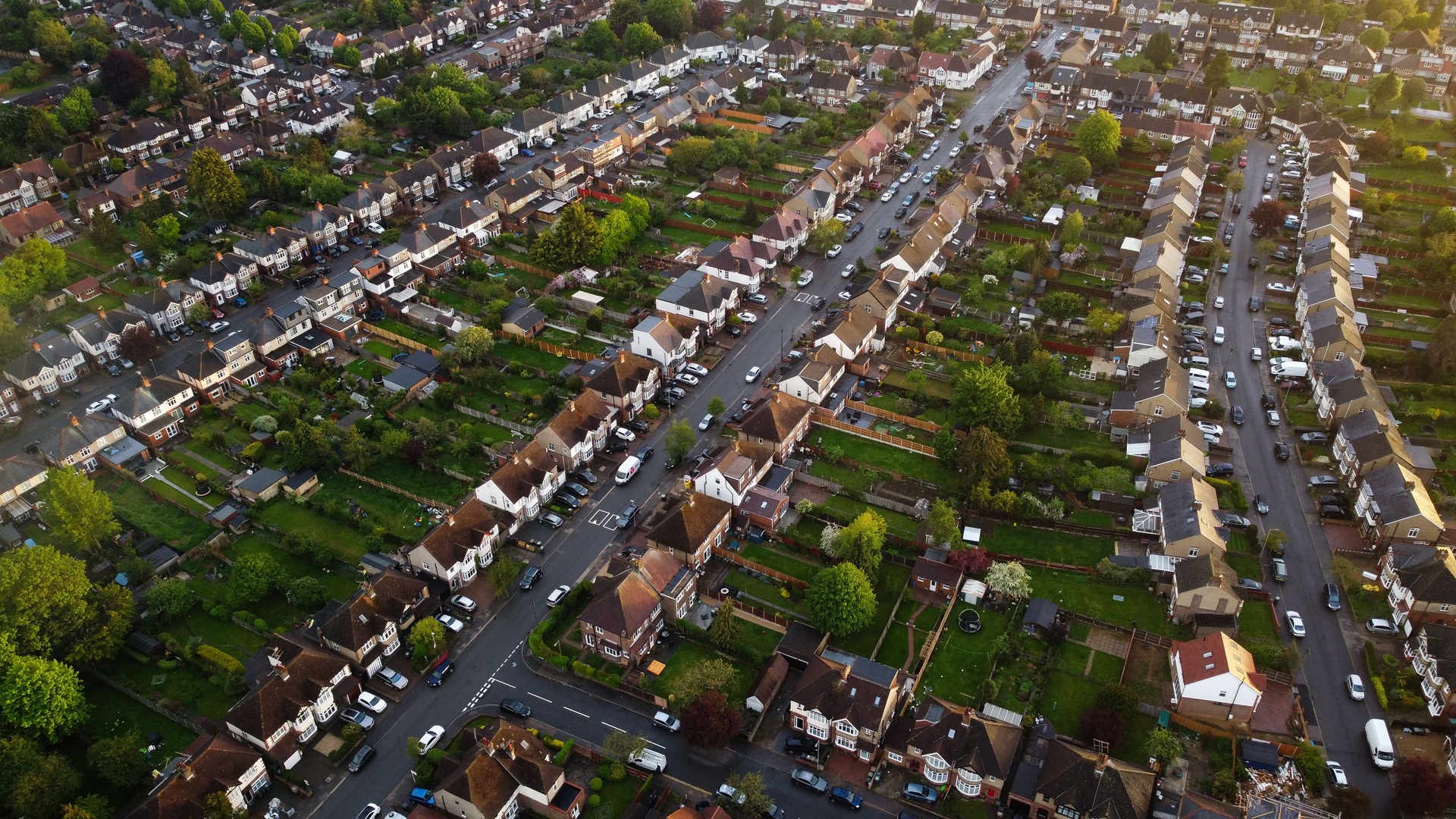
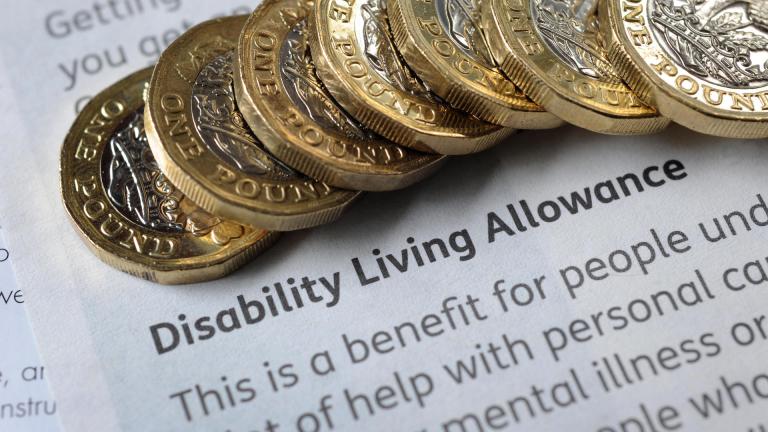
LHA determines the amount of housing benefit private renters can receive to help with their rent. Around 1.9 million privately renting households receive housing support through universal credit or housing benefit.
But LHA no longer covers the full rent for 58% of universal credit households receiving housing support. Applying that proportion to the 1.9 million households means 1.1 million are struggling to make ends meet.
When it was first introduced in 2008, LHA was pegged to the median level of local rents, and was intended to cover the bottom 50% of properties.
Advertising helps fund Big Issue’s mission to end poverty
In 2011, that was reduced to the 30th percentile. But rates have since been frozen in nine of the past 14 years, and have remained at the same level since April 2024. Rents, meanwhile, have continued to rise.
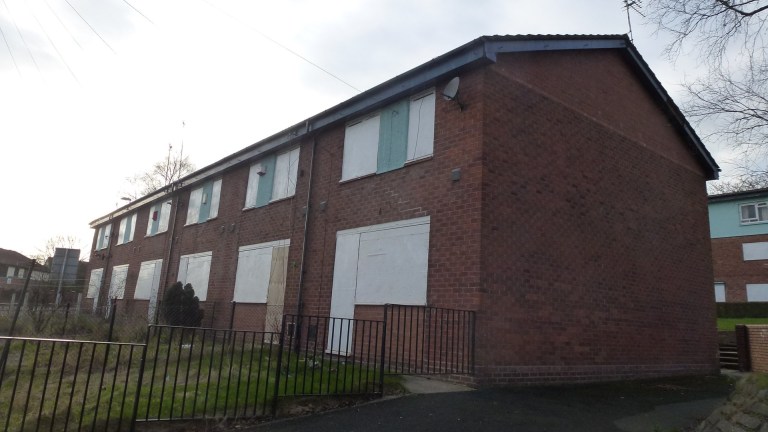
According to analysis released earlier this year, just 1.9% of private rented homes are affordable to people on housing benefit – around two in every 100 homes, rather than 30 in every 100 if housing benefit were linked to rising rents.
If chancellor Healey doesn’t increase LHA at the autumn budget, the gap between housing support and rents is expected to reach a record 23.3%.
“The gap between average rents and local housing allowance levels is set to reach a record high this October, and failing to repeg LHA to actual rents in next month’s budget could lock in a freeze for another year, and see the gap reach 30% by March 2028,” said Hunsaker.
That means low-income renters are increasingly having to cover the difference between benefits and rent from other income, including money that might otherwise go towards food, energy and other essentials.
Many charities have made a similar call to the Resolution Foundation. Earlier this year, Morgan Vine, director of policy and influencing at Independent Age, wrote about the problem for the Big Issue.
Advertising helps fund Big Issue’s mission to end poverty
“Local housing allowance was designed to help those who need it meet their housing costs,” she wrote.
“By freezing it, some of the people on the lowest incomes in our society have to scrimp further to pay their rent, or risk homelessness. One man we provided advice to told us he was living on a “shoestring” and forced to continue working past state pension age in a very physically demanding job. This was despite receiving housing benefit, because it did not adequately cover his rent.”
Trussell, the food bank network, recently estimated that the growing gap has forced more than half (62%) of private renters receiving housing support to go without food and heating over the past six months.
Previous Resolution Foundation research has also found that restoring LHA rates to cover at least the lowest 30% of rents could lift 75,000 children and 125,000 adults out of poverty.
What are the arguments against increasing local housing allowance?
Welfare spending has become a divisive subject in the early part of Andy Burnham’s premiership, just as it was for his predecessor Keir Starmer.
Burnham previously advocated for LHA to be unfrozen as Greater Manchester mayor.
Advertising helps fund Big Issue’s mission to end poverty
Conservative leader Kemi Badenoch has been arguing that LHA rates should be cut to cover 10% of local private rental market rates.
Badenoch’s proposal said that this move, plus freezing social rents, would save £4bn to be spent on increased defence spending instead.
Badenoch also criticised people receiving housing benefits and said they “will need to move somewhere cheaper“ if they need subsidising to afford rents where they live.
The prime minister rejected the idea at prime minister’s questions: “I do not think that taking £4 billion out of housing benefit is going to get the right consensus around this issue. That would create levels of homelessness in this country that we would not have seen before, with hundreds of thousands of children in temporary accommodation.
“I say that, yes, we do everything to support our national security, but it cannot come at the expense of social security.”
Relinking LHA to rent is not cheap. The last time LHA rates were unfrozen back in 2024, it cost the Treasury more than £1bn.
Advertising helps fund Big Issue’s mission to end poverty
Doing so again would cost £2 billion a year by 2029-30.
But the cost isn’t the only concern. Some critics have argued that increasing LHA could simply push rents up, with landlords capturing some or all of the extra support.
But the new Resolution Foundation analysis finds little evidence that this happened after the last increase.
Just 10p in every pound of extra LHA support appears to have shown up as higher rents at the bottom of the market.
This finding mirrors previous research into the 2011 LHA cut, which found that around 90% of the reduction fell on tenants, with only around one-tenth showing up in lower rents.
There was also a direct effect on the households LHA is intended to support. The April 2024 uplift was followed by a fall of 154,000 in the number of universal credit households in England whose rent exceeded their LHA, despite the number of households receiving LHA increasing over the same period.
Advertising helps fund Big Issue’s mission to end poverty
It would not merely be a “funding bonanza” for landlords, concluded the report authors.
“Rather than primarily benefitting landlords, our new analysis shows that the last time LHA was repegged to local rents in April 2024 it was tenants that benefited, with the fraction of LHA recipients facing a shortfall between their rents and the amount they could claim dropping significantly,” said Hunsaker.
The introduction of the Renters’ Rights Act has sparked warnings from landlord lobby groups of an exodus from the market.
With frozen LHA rates already leaving only a few properties affordable on the market, a decline in supply would leave low-income households with even fewer options and at greater risk of homelessness.
But analysis from the Joseph Rowntree Foundation found the private rented sector itself does not appear to be shrinking, despite a slowdown in its growth.
Official figures show that the number of privately rented homes in England passed five million in 2025, increasing by 54,000 in the year to March. There were also a record 4.7 million private renting households in 2024-25.
Advertising helps fund Big Issue’s mission to end poverty
At the same time, the shape of the sector is changing. More landlords are operating through companies, while new landlords are replacing some of those leaving and renters are staying in their homes for longer.
Joseph Elliott, senior analyst at the Joseph Rowntree Foundation, said: “Claims that the private rented sector is shrinking aren’t supported by the evidence. This matters because these claims have been used to argue against vital legislation that protects renters from no-fault evictions, from living in unsafe homes and now from unaffordable rent increases.
“Instead, we see a broadly flat, or modestly growing, number of rented homes owned by a smaller number of larger landlords. Renters living in these homes have felt the squeeze of unaffordable rents that take up too high a proportion of their incomes for far too long. Rent controls would give them security and stability, and they should be implemented without delay.”
The £2 billion annual cost of unfreezing LHA would still need to be found. The Resolution Foundation says one option would be to raise the universal credit taper rate from 55% to 58%.
The taper determines how much universal credit is withdrawn as a claimant’s earnings rise.
Increasing it would mean people would lose more of their universal credit for each additional pound they earn, raising money within the working-age welfare budget to help fund the LHA increase.
Advertising helps fund Big Issue’s mission to end poverty
The think tank said the two changes together would cost and raise the same amount, rather than requiring additional borrowing.
Whether the government chooses to make that trade-off will be one of the questions facing chancellor Healey at the autumn budget.
Do you have a story to tell or opinions to share about this? Get in touch and tell us more.
Change a vendor’s life.
Buy from your local Big Issue vendor every week – and always take the magazine. It’s how vendors earn with dignity and move forward.
You can also support online:
Subscribe to the magazine or support our work with a monthly gift. Your support helps vendors earn, learn and thrive while strengthening our frontline services.
Advertising helps fund Big Issue’s mission to end poverty
Thank you for standing with Big Issue vendors.