Someone who is experiencing food poverty is also more likely to experience fuel poverty, hygiene poverty and digital poverty. The impossible task of juggling an insufficient budget means that all these areas of life will be affected at some point, often at the same time.
As the proverb states, ‘misfortunes never come singly’. The greatest danger, however, is the misconception that these manifestations of poverty can be addressed in isolation.
A narrow policy response that targets one issue at a time may overlook the root problem and broader structural factors that shape the complex and interconnected singular manifestations of poverty. The root problem is that many people lack the basic resources that are required to meet their needs and participate in society.
Keep reading the journalism that powers our mission
Register free to continue and learn more about the stories, campaigns and the support we provide, helping people facing poverty across the UK.
Disparities in access to these resources are shaped by structural factors, such as labour market regulations that influence wages and the availability of secure, high-quality employment, as well as the generosity of the welfare state, including the benefit system and social safety net.
It is well established that the countries performing strongly in these areas, such as Denmark and Finland, tend to see significantly lower levels of all poverty ‘types’– a stark contrast to the UK.
Public awareness and debate need to navigate this balance carefully. We must consider how to recognise the various dimensions of poverty without neglecting its holistic nature and strike a balance between seeing poverty as something which takes many shapes while not losing sight of the bigger picture so that we can tackle its root causes.
Read more:
We do not dispute the importance of tackling ‘food poverty’, ‘fuel poverty’ or other specific aspects of how poverty is experienced. Rather, we want to highlight that all these issues, which have become even more widespread and apparent during the ongoing cost of living crisis, could be addressed simultaneously by tackling the underling structural cause: inadequate income.
Targeted initiatives bring valuable expertise and focus, but only temporary and partial relief. Only comprehensive, collaborative approaches truly address the underlying causes of poverty rather than treating its symptoms.
Achieving this requires cross-sector collaboration, ensuring a collective drive for change and amplifying diverse voices. Such collaboration helps to bring the pieces of the puzzle together, reshaping the public debate and enabling a collective understanding of poverty as a holistic experience while recognising its multidimensional nature. There is an urgent need to be united in our efforts and adopt an ‘all for one and one for all’ approach to public discussion and action.
While the sector often operates in a fragmented and segmented way, it is abundantly clear that the lived experience of poverty is anything but fragmented.
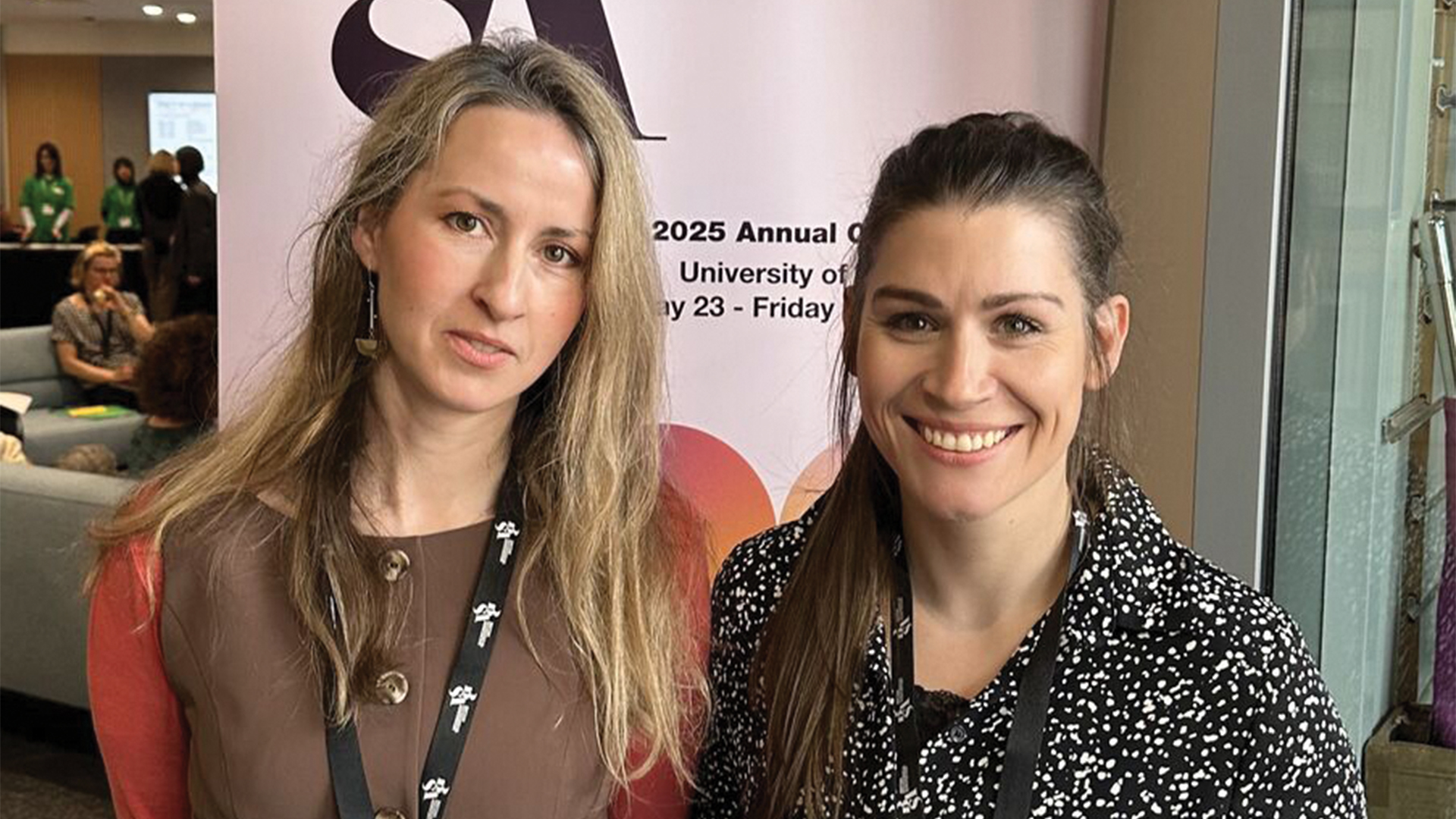
By Natalija Atas and Gideon Calder on behalf of SPA Poverty Policy Group
Do you have a story to tell or opinions to share about this? Get in touch and tell us more.
Change a vendor’s life.
Buy from your local Big Issue vendor every week – and always take the magazine. It’s how vendors earn with dignity and move forward.
You can also support online:
Subscribe to the magazine or support our work with a monthly gift. Your support helps vendors earn, learn and thrive while strengthening our frontline services.
Thank you for standing with Big Issue vendors.