Last week Lucy Johnston, Lucie Russell, Sabrina Cohen-Hatton, Sophie Raworth, Pete Bird, Phil Ryan and I gathered in a small BBC studio in London’s West End and, over teas and water, relived the early and chaotic foundation days of Big Issue. Kirsty Wark nursed us through the tumult of those early times by questioning us as to the unlikely chance of a bunch of bumbling amateurs producing something sustainable.
But here we are 35 years later, not only launched and giddily established but spread to every continent, except the ice-packed ones. And going through probably the third of our recurring reinventions. Taking the model of a New York street paper in 1991 and blessed into existence by Sir Gordon Roddick of The Body Shop, it became an essential part of street life.
Listen to BBC Radio 4’s The Reunion here
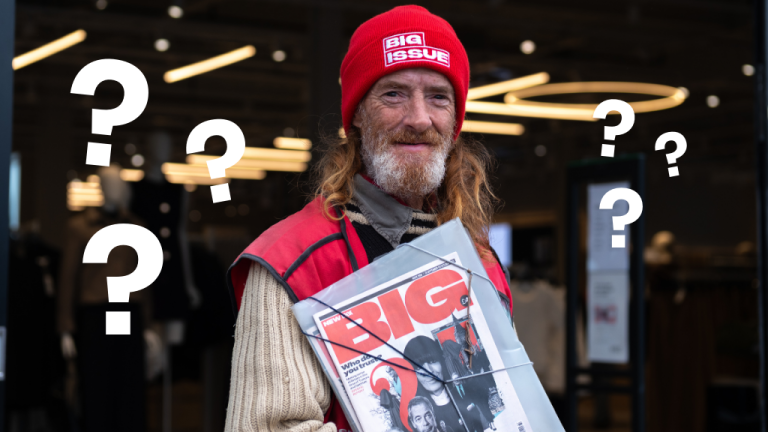
Thousands upon thousands of homeless people have passed through Big Issue to sell it, and hundreds have dedicated themselves to writing for it, designing it, getting it printed and distributing it. Hundreds of missing people have been found through its missing persons pages, thousands of articles have entertained and informed – and at times sickened – the public with stories of neglect and state indifference to the plight of the world’s poor.
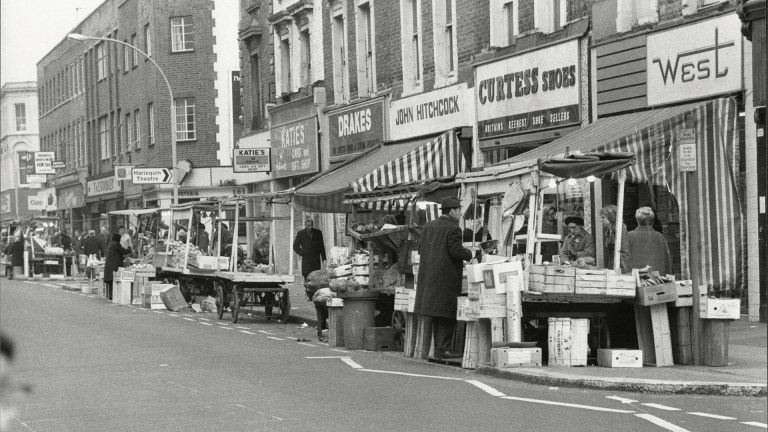
Starting in the back of a van on the double yellow lines of the West End of London, it has consistently featured in the struggle against poverty ever since, as it endeavoured to give the homeless and the vulnerably accommodated ‘a hand up not a handout’.
The recording of TheReunion for BBC Radio 4 strongly emphasised the chaos and the lack of professionalism that caused such a venture to flower and flourish. As if wishful thinking was our only component. Yet the thousands of homeless people sleeping rough in the West End alone were the driving force; the motor that pushed us on – together with the public’s enormous appetite for this new flash addition to the streets of London.
Homeless people were brought into the urban equation. Up until then thousands were beggars, with most of the public intimidated by their presence on the streets. By turning them into people earning their income it transformed homeless people into being more approachable. And the public were the most committed part of the story.