If you were to ask us what drove the average person to StepChange a decade ago, we would probably tell you it was consumer credit borrowing, such as unmanageable credit card or personal loan debt – perhaps taken on following a life shock or a significant change of circumstances.
Yet if you were to ask us the same question today – while difficulty with consumer credit debt still plays a big part in many of our clients’ problems – arrears on essential bills like energy and water, driven by struggles to afford the basics, have become increasingly commonplace.
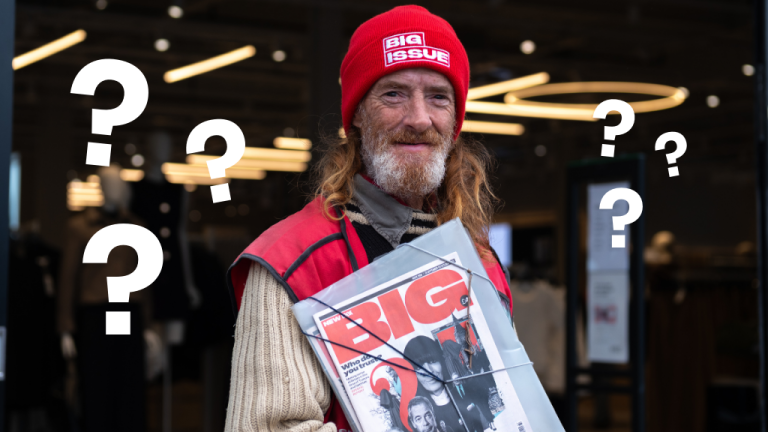
That’s why we focused our latest research, Plugging the Gap, on our clients’ experience of managing utility payments. It marks the first in a wider piece of work around supporting people to afford the cost of essentials, which have spiralled since the pandemic. Costs that clients like Alistair are struggling to meet month in, month out, in a way that we haven’t seen before.
Read more:
- ‘Terrified of a rent increase’: How Labour’s housing benefit cuts are hitting renters
- People are still getting threatened with prison for council tax debt. This has got to change
- ‘I’ve worked with children for 30 years. Things have never been so tough for families’
He told us that he reached crisis point when he got to retirement and found himself constantly struggling to pay bills, at a time when in many cases people hope to have financial security, if not freedom. In some instances, he even turned to credit to pay his energy bills – one of our core indicators of a person being in problem debt – showing the depth of the affordability challenges facing many.
Or take Leah, a disabled client whose name has been changed, who told us how difficulty affording her utility bills meant that she was afraid to put the heating on and limited washing and drying. She went on to say that she couldn’t afford food, and ultimately, had to rehome her much-loved pet.