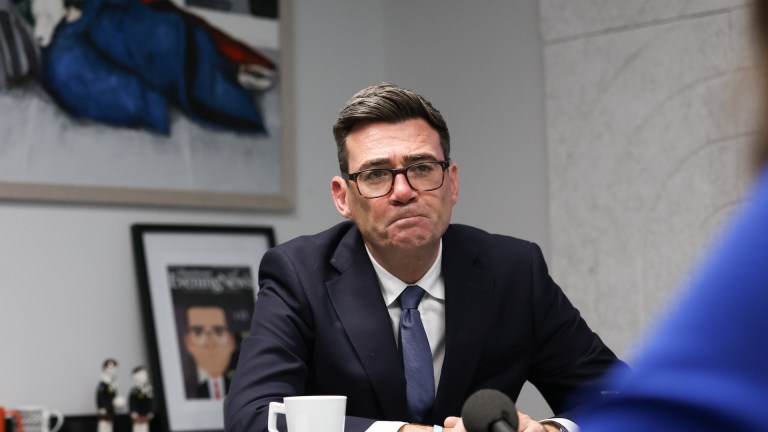
“That’s why I’m taking action to clear the backlog, because we know that the right support can change lives.”
The problem is not just the backlog. A dossier by Action on Disability‘s found that average support hours per week across more than 35 work placements it monitored fell from 22.5 to just four between January 2023 and July 2025, and the job retention rate halved from 88% to 43%
Big Issue has covered such problems since last year – speaking to a blind NHS psychologist who was left “sobbing” after her support was slashed, a deaf council worker who could not afford a BSL interpreter, and a disabled journalist whose support worker hours were cut from 37 a week to just eight.
Keep reading the journalism that powers our mission
Register free to continue and learn more about the stories, campaigns and the support we provide, helping people facing poverty across the UK.
Roisin Jacklin, policy lead at RNIB, said that reporting had been instrumental in shifting the dial at DWP – even if there’s still a long way to go.
“The Big Issue coverage and reporting on this issue has raised awareness of the many unfair and unnecessary challenges that blind and partially sighted people face in staying in and finding work today,” she said. “Recruiting 500 additional Access to Work staff is a much-needed step towards tackling the severe backlog that has left blind and partially sighted people waiting around a year, and in some cases far longer, for vital support.”
Evan John, policy adviser at Sense, said the charity was “pleased” to hear about government investment.
“We hear far too often from people we support that they have waited too long for this support to come through, which in the worst scenarios has resulted in people turning down job offers or leaving employment,” he said. “Every disabled person who wants to work deserves a fair opportunity to do so, and so we plan to keep working with the government on improving Access to Work.”
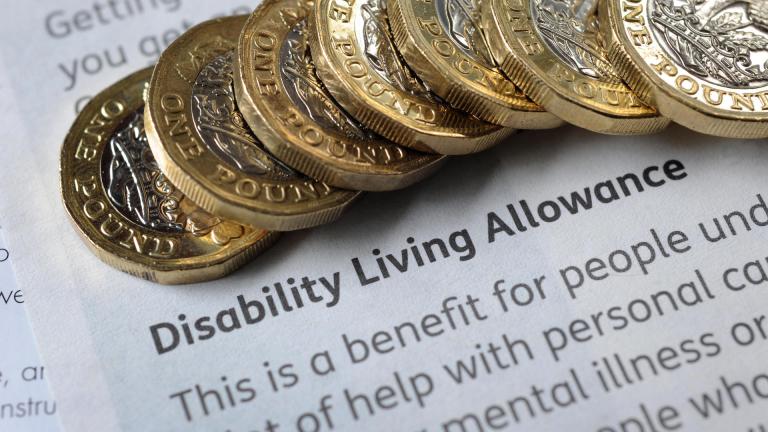
Nonetheless, this will not be a panacea. Applications to the scheme doubled between 2018-19 and 2024-25 – from 76,100 to 157,000 – driven by “increased identification of mental health conditions and neurodiversity”, according to the National Audit Office.
Spending has nearly doubled in step, from £163 million to £321m last financial year, and is forecast to reach £517m by 2029-30. As demand keeps rising, staff may face pressure to reduce grants rather than approve them.
“If the government is serious about enabling more disabled people to enter and stay in work, Access to Work must be adequately resourced, responsive, and consistent, so blind and partially sighted people can focus on progressing in their careers rather than fighting for the support they need,” Jacklin said.
Some campaigners feared that this will only accelerate a pattern of rejections. “A faster no is still a no,” wrote mental health advocate Catherine Eadie on LinkedIn. “A faster partial award is still a partial award. More caseworkers will process applications more quickly. They won’t change the eligibility criteria. They won’t reverse the pattern of granting people a fraction of the hours applied for.”
The government is still considering broader changes to the AtW scheme.
“Wider reforms to ensure Access to Work remains fair and sustainable are also being considered,” the DWP’s most recent press release suggests.”
Do you have a story to tell or opinions to share about this? Get in touch and tell us more.
Change a vendor’s life.
Buy from your local Big Issue vendor every week – and always take the magazine. It’s how vendors earn with dignity and move forward.
You can also support online:
Subscribe to the magazine or support our work with a monthly gift. Your support helps vendors earn, learn and thrive while strengthening our frontline services.
Thank you for standing with Big Issue vendors.